In the field of dentistry, accurate communication is critical for effective treatment and reimbursement. A Panoramic Dental Code is a specific code used to identify and categorize panoramic X-rays, which are a type of dental imaging that provides a comprehensive view of a patient’s entire mouth, including the teeth, jaws, and surrounding structures. This code is part of the larger Current Dental Terminology (CDT) coding system developed by the American Dental Association (ADA) to streamline dental procedures and ensure consistency in billing.
The panoramic dental code is used by dental professionals to document and report the use of panoramic X-rays in patient records. This process ensures proper reimbursement from insurance providers and helps maintain accuracy in a patient’s medical history. The correct use of these codes is vital for efficient practice management, accurate billing, and compliance with insurance standards.
The Importance of Accurate Coding in Dentistry
Accurate dental coding is essential for several reasons. First and foremost, it allows for proper reimbursement from insurance companies. Incorrect or improperly used codes can lead to claim denials, delayed payments, or the need for time-consuming corrections. Additionally, accurate coding helps maintain consistency in patient records and legal compliance, as dental codes serve as a standard language between dental professionals, insurance companies, and regulatory bodies.
By using the correct Panoramic Dental Code, practices can avoid the risk of coding fraud or inadvertent errors that could negatively affect patient care and financial operations. For example, if a panoramic X-ray is mistakenly billed under an incorrect code, it might be considered a misrepresentation of the services provided, potentially jeopardizing the financial health of the practice and the relationship with insurance companies.
Overview of Panoramic X-rays and Their Role in Diagnosis
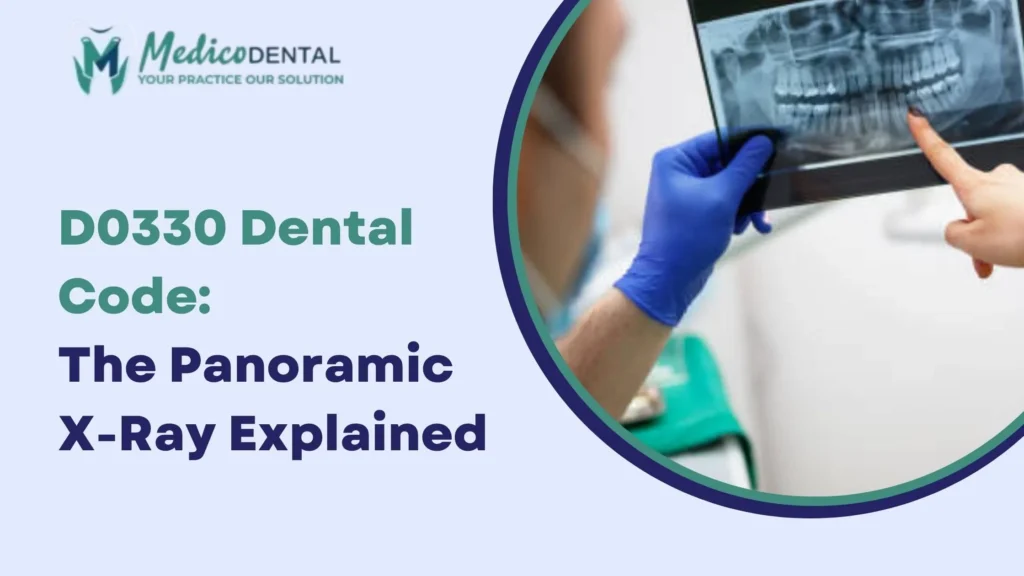
A Panoramic X-ray, also known as a panorex or orthopantomogram, provides a broad view of the dental and facial structures. This type of imaging captures the entire mouth in a single image, showing the upper and lower jaws, teeth, temporomandibular joints (TMJ), sinuses, and surrounding bone structures. Unlike traditional intraoral X-rays, which focus on individual teeth or specific areas, panoramic X-rays provide a comprehensive overview that can be used for diagnosis, treatment planning, and monitoring.
Panoramic X-rays are particularly useful for:
- Detecting bone abnormalities such as cysts, tumors, or infections.
- Assessing wisdom teeth and their position relative to surrounding structures.
- Planning orthodontic treatment by evaluating the alignment of teeth and jaws.
- Identifying dental issues that may not be visible with conventional X-rays.
Given their importance, it is crucial that the proper Panoramic Dental Code is used to document these procedures for insurance, legal, and medical purposes.
Understanding the Panoramic Dental Code System
The Basics of Dental Code Systems
Dental codes are part of a comprehensive system known as the Current Dental Terminology (CDT). The CDT system, developed and maintained by the American Dental Association (ADA), provides a universal set of codes used to document dental services, procedures, and diagnostic tests. The CDT codes are updated annually and cover a wide range of procedures, from preventive care to complex surgeries and diagnostic imaging.
The system is designed to create consistency in dental practice, allowing providers to effectively communicate procedures to insurers, patients, and other healthcare providers. CDT codes are not only used for billing purposes but also for tracking trends in treatment, managing patient histories, and complying with regulatory standards.
How the Panoramic Dental Code Fits Into the Larger Dental Coding System
The Panoramic Dental Code is part of a broader group of radiology codes within the CDT system. These codes are specifically used for diagnostic imaging and encompass a range of services, from basic X-rays to complex imaging procedures. The panoramic X-ray codes fall under the radiology section and are used to denote when a panoramic X-ray is performed for a specific diagnostic purpose.
The panoramic code is typically represented by a numeric code in the CDT system, such as D0330, which corresponds to a full-mouth panoramic X-ray. There are also codes for different types of panoramic imaging procedures, depending on the specific needs of the patient and the purpose of the X-ray.
This structured system ensures that each procedure is accurately categorized, making it easier for dental practices to bill for services, comply with regulations, and track patient care.
Key Differences Between Panoramic Codes and Other Dental Imaging Codes
While panoramic X-rays provide a comprehensive view of the dental structures, other types of dental imaging have distinct codes within the CDT system. For example, intraoral X-rays, which capture individual teeth, have their own set of codes, such as bitewing X-rays (D0270) or periapical X-rays (D0220).
The primary difference between panoramic codes and intraoral codes is the extent of the area captured. Panoramic X-rays cover a broader area and are typically used for full mouth evaluations, while intraoral X-rays focus on specific teeth or regions of the mouth. Panoramic codes are generally used when a comprehensive, wide-angle view is needed for diagnosis, whereas intraoral codes are used for more localized, specific diagnostic purposes.
Types of Panoramic X-rays and Their Corresponding Codes
Full Mouth Panoramic X-ray Code
A full-mouth panoramic X-ray is used to capture a broad view of the entire dental arch, including both the upper and lower jaws, the teeth, and the surrounding structures. The CDT code for this type of panoramic X-ray is usually D0330. This code is used when a complete panoramic image of the mouth is required for diagnosis or treatment planning.
This X-ray is often requested during comprehensive dental exams, particularly when there is a need to evaluate the overall health of the patient’s teeth, jawbones, and surrounding structures.
Panoramic X-ray for Specific Diagnostic Purposes
In some cases, panoramic X-rays are used to focus on specific diagnostic issues, such as evaluating wisdom teeth, detecting jawbone fractures, or assessing the position of impacted teeth. These X-rays may still be categorized under a panoramic code but can be adjusted depending on the specific diagnostic need. Additional codes or modifiers may be used to indicate the reason for the imaging.
For example, a panoramic X-ray might be ordered if the patient is experiencing symptoms related to the temporomandibular joint (TMJ) and the dentist needs a comprehensive view of the joint area. In such cases, the specific code used would depend on the reason for the imaging.
How to Choose the Right Code for Your Panoramic X-ray
Choosing the correct panoramic dental code depends on the specific imaging procedure being performed. For instance, if the panoramic X-ray is a routine diagnostic tool to examine the full mouth, the standard D0330 code will apply. However, if the X-ray is being used for a more focused diagnostic purpose, such as evaluating specific conditions or areas, it may require a different code.
To ensure accuracy, dental professionals should review the CDT code manual and consult with insurance providers when necessary. Proper selection of the code ensures that the dental office is reimbursed correctly and avoids coding errors that could lead to denied claims.
Importance of Accurate Coding for Panoramic X-rays
Impact on Insurance Claims and Reimbursement
Accurate coding for panoramic X-rays is crucial for successful insurance claims and reimbursement. Insurance providers rely on correct codes to determine the eligibility and amount of reimbursement for services rendered. Incorrect codes can lead to claim denials or delays in processing, which can affect the dental practice’s cash flow.
By using the appropriate panoramic dental codes, dental professionals can ensure that their claims are processed efficiently, reducing the likelihood of administrative errors and improving the financial health of the practice.
Legal and Ethical Considerations in Dental Coding
In addition to financial considerations, accurate dental coding is also a matter of legal and ethical responsibility. Misrepresenting services by using incorrect or fraudulent codes can result in legal penalties, including fines or sanctions from regulatory bodies. Accurate coding is essential to maintain the integrity of the practice and comply with industry regulations.
Dental professionals are ethically bound to report services as accurately as possible, ensuring that patients receive the care they need without inflating claims or misrepresenting the services provided.
Avoiding Common Coding Mistakes
Common coding mistakes include using the wrong code for a specific procedure, failing to update codes based on changes in the CDT manual, and misrepresenting the purpose of the X-ray. These mistakes can lead to reimbursement issues, claims denials, and potential legal trouble.
To avoid these mistakes, dental offices should stay up-to-date with coding changes, ensure that staff members are adequately trained in the CDT system, and regularly audit patient records to ensure that the correct codes are used.
How to Properly Use the Panoramic Dental Code in Your Practice
Step-by-Step Guide to Using Panoramic Dental Codes
Using panoramic dental codes correctly requires a clear understanding of the Current Dental Terminology (CDT) system, as well as the specific details of the panoramic X-ray procedure. Below is a step-by-step guide to ensure that your practice uses the Panoramic Dental Code efficiently and accurately:
-
Identify the Need for a Panoramic X-ray:
Before assigning a code, ensure that a panoramic X-ray is necessary for the patient’s diagnosis or treatment. Common reasons for requesting a panoramic X-ray include evaluating the position of wisdom teeth, assessing jawbone health, and planning orthodontic treatment.
-
Determine the Correct Code:
Panoramic X-rays typically fall under CDT Code D0330, which covers a complete full-mouth panoramic X-ray. However, there may be cases where more specific codes are required, depending on the diagnostic purpose (such as D0367 for a targeted panoramic X-ray). Double-check the most recent CDT manual to ensure you are using the correct code for the service provided.
-
Document the Code in the Patient’s Record:
Record the panoramic X-ray code accurately in the patient’s chart. This ensures proper documentation of the service, which can be crucial for future references, claims, and legal purposes.
-
Submit the Code to Insurance:
Submit the panoramic dental code with the insurance claim. Ensure that all relevant documentation, such as the reason for the X-ray and any additional required information, is provided. This will facilitate smoother claim processing.
-
Monitor and Follow Up:
After submission, monitor the claim to ensure it is processed correctly. If there are any issues with the claim, such as a denial or request for more information, address them promptly to avoid delays in payment.
By following this step-by-step process, you can ensure that your practice uses panoramic dental codes correctly, minimizing errors and improving reimbursement accuracy.
Training Your Staff to Use Panoramic Codes Efficiently
Efficient use of panoramic dental codes depends not only on the knowledge of the dental providers but also on the administrative and support staff involved in coding, billing, and record-keeping. Here’s how to train your team to ensure the accurate and effective use of panoramic codes:
-
Provide Comprehensive Training:
Offer detailed training sessions to your staff on the CDT coding system, especially the panoramic codes. Ensure that your team understands when and why a panoramic X-ray is necessary and how to assign the correct codes based on the procedure.
-
Use Real-World Scenarios:
Practice with real-life examples to help your staff understand the nuances of different panoramic X-ray scenarios. This could include a case where a panoramic X-ray is required to evaluate wisdom teeth, or one where a patient needs a full-mouth panoramic view for orthodontic planning.
-
Emphasize Documentation:
Teach your staff the importance of accurate documentation. They should be trained to carefully note the reason for the panoramic X-ray and document any relevant findings, which will help in case of claims disputes or audits.
-
Stay Updated on Coding Changes:
Ensure your team is familiar with updates in the CDT codes each year. This ensures that they can adapt to changes in the codes and remain compliant with industry standards.
-
Implement Regular Audits:
Regularly audit the coding and billing process in your practice. This will allow you to identify any recurring issues, errors, or discrepancies and take corrective action where needed.
By investing in comprehensive staff training, your practice can improve efficiency, reduce coding errors, and increase the accuracy of claims related to panoramic X-rays.
Common Pitfalls and How to Avoid Them
While using the panoramic dental code is relatively straightforward, there are several common pitfalls that dental practices may encounter. Here’s how to avoid them:
-
Using the Wrong Code:
One of the most common errors is using an incorrect code for a panoramic X-ray. For instance, using an intraoral X-ray code (like D0220) when a panoramic code (like D0330) should be used. To avoid this, ensure that all staff members are familiar with the difference between intraoral and panoramic codes and know when to apply each.
-
Failing to Document the Reason for the X-ray:
Insufficient documentation is another common mistake. Dental insurers often require clear documentation on why a panoramic X-ray was needed. Ensure that the clinical notes explicitly state the diagnostic purpose of the panoramic imaging (e.g., “Evaluation of wisdom teeth impaction” or “Orthodontic treatment planning”).
-
Not Updating Codes Regularly:
The CDT codes are updated annually. Failing to update your codebook can result in using outdated codes, which may lead to claim rejections. Subscribe to the ADA’s updates on CDT codes, and ensure that your practice stays current with the latest coding standards.
-
Not Verifying Patient Coverage:
Before submitting a panoramic X-ray for reimbursement, verify whether the patient’s insurance covers this service. Some insurance plans may have specific rules regarding when a panoramic X-ray is reimbursable. Always double-check the patient’s policy to avoid surprises.
By being mindful of these common pitfalls, your practice can enhance coding accuracy and reduce errors that can lead to claim denials or payment delays.
Updates and Changes to Panoramic Dental Codes
Recent Changes in the Panoramic Dental Code System
Dental coding is not static; it evolves as technology advances and the healthcare landscape changes. Over the past few years, there have been notable updates to the panoramic dental codes to reflect advancements in imaging technology and the broader dental diagnostic process. These changes include:
- Introduction of New Codes: As dental imaging technology improves, new codes may be introduced for more specific types of panoramic imaging, such as codes for 3D imaging or cone beam computed tomography (CBCT), which is sometimes used in place of traditional panoramic X-rays.
- Adjustments to Existing Codes: Some codes may undergo revisions to accommodate changes in reimbursement rates, insurance coverage, or diagnostic criteria. Keeping track of these adjustments is important to ensure your practice stays compliant and reimbursed correctly.
- Modifications in Descriptions: The descriptions associated with panoramic X-ray codes may be updated to better align with current medical terminology and advancements in treatment. These updates can help clarify the purpose and scope of different types of panoramic X-rays.
How to Stay Current with Code Updates
To ensure your practice stays on top of the latest panoramic dental code updates, consider the following strategies:
- Subscribe to the ADA: The American Dental Association (ADA) provides annual updates to the CDT codes. Make sure your practice subscribes to their resources or updates.
- Join Professional Networks: Being part of professional organizations, such as the American Association of Dental Coders (AADC), can provide your team with access to workshops, webinars, and other resources to stay up-to-date on coding changes.
- Regular Staff Training: Schedule regular coding training for your team to go over any changes, ensuring everyone is familiar with the new codes and their correct application.
Future Trends in Dental Coding and Panoramic Imaging
The future of dental coding and panoramic imaging is likely to be influenced by several trends:
- Increased Use of Digital Imaging: As digital imaging technology advances, the demand for more precise and efficient codes will rise. New panoramic imaging technologies, such as 3D cone beam imaging, may become more common, necessitating new and updated codes.
- Telemedicine Integration: With the rise of telemedicine and teledentistry, there may be new codes for remote diagnostic imaging, including consultations or second opinions based on panoramic X-ray results.
- AI and Automation: Artificial intelligence (AI) may begin to play a larger role in automating the coding process, making it easier to assign the right code to the right procedure based on the imaging.
By keeping an eye on these trends, dental practices can better prepare for future changes in panoramic dental codes.
The Relationship Between Panoramic Dental Codes and Other Dental Procedures
Panoramic X-rays vs. Intraoral X-rays: Code Differences
While both panoramic and intraoral X-rays are used for diagnostic purposes, they serve different roles in the treatment planning process. Panoramic X-rays provide a wide-angle view of the entire mouth, while intraoral X-rays focus on individual teeth or specific areas of concern. The primary difference in coding between the two is that panoramic codes are typically more comprehensive, covering the entire mouth, whereas intraoral codes focus on specific teeth or regions.
How Panoramic Codes Work with Other Diagnostic Codes
Panoramic codes are often used in conjunction with other diagnostic codes. For example, a patient may need both a panoramic X-ray (D0330) and a bitewing X-ray (D0270) to evaluate different aspects of their dental health. Properly using both sets of codes ensures that all diagnostic procedures are recorded and reimbursed accurately.
The Role of Panoramic X-rays in Comprehensive Treatment Planning
Panoramic X-rays are integral to comprehensive treatment planning, especially for complex procedures like orthodontics, implants, or oral surgery. These X-rays provide a complete view of the patient’s dental and bone structure, allowing practitioners to plan for interventions that are more accurate and effective.
FAQs
What Should You Do If Your Panoramic Code Is Denied?
Ans. If your panoramic code is denied by an insurer, review the following:
- Check for errors in coding or improper documentation.
- Ensure the X-ray was medically necessary and that the diagnostic reason is clearly stated in the patient’s chart.
- Submit additional information or appeal the denial if necessary.
How Can I Ensure My Panoramic X-ray Claims Are Accepted?
Ans. Ensure that the X-ray is medically necessary, the correct code is used, and complete documentation is provided. Pre-verifying insurance coverage can also help prevent denials.
What Are the Most Common Issues with Panoramic Dental Coding?
Ans. The most common issues include incorrect code use, lack of documentation, and failure to keep up-to-date with coding changes.
Conclusion
Accurate panoramic dental coding is essential for efficient billing, legal compliance, and quality patient care. By understanding the key principles of dental codes, staying current with updates, and training staff effectively, practices can streamline their operations and improve reimbursement accuracy.
Accurate coding ensures smooth insurance claims, financial stability, and regulatory compliance, all of which contribute to the overall success of a dental practice.
Mastering panoramic dental coding can significantly enhance your practice’s workflow, patient care, and financial health. By focusing on accuracy, staying informed about updates, and avoiding common pitfalls, your practice can leverage the power of panoramic X-ray codes to maximize its potential.
Related