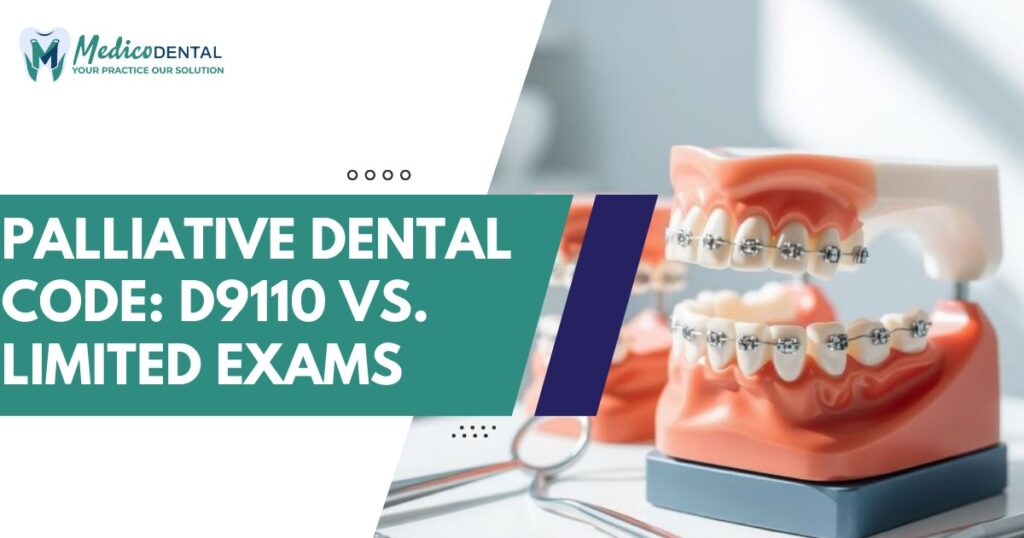
Palliative care in dentistry focuses on alleviating pain, discomfort, and distress related to dental conditions without necessarily addressing the underlying cause. The goal is to improve the quality of life for patients experiencing significant pain or discomfort due to dental issues, often when the primary treatment is not feasible due to health complications, financial constraints, or other factors.
This type of care is essential for patients who require immediate relief from dental pain but may not be able to undergo more extensive or long-term treatments. Palliative care often involves temporary measures, such as pain management or infection control, to help ease symptoms until a more permanent solution can be pursued.
Importance of Accurate Dental Coding in Palliative Treatments
Accurate dental coding is crucial in ensuring that dental providers are reimbursed correctly for services rendered, including palliative care procedures. In the context of palliative care, using the correct codes helps ensure that patients receive the appropriate treatment and that the dental office can bill for those services accurately. Incorrect coding can lead to claim denials, delayed payments, and complications with insurance reimbursements.
For dental professionals, understanding the nuances of coding for palliative care services like the D9110 and Limited Exam codes is essential for managing patient care effectively while ensuring proper reimbursement.
Introduction to the D9110 and Limited Exam Codes
The D9110 code is a specific dental code used to describe palliative treatments provided to patients in need of urgent care. This code is typically used for short-term relief procedures that are intended to address pain, infection, or other urgent dental issues. Similarly, Limited Exam codes are used to describe dental exams that focus on a specific area or issue, rather than a full comprehensive evaluation. Both of these codes play a vital role in managing palliative dental care, ensuring that dental professionals can provide timely relief while documenting the services provided for reimbursement.
What Is the Palliative Dental Code?
Definition and Purpose of Palliative Dental Care
Palliative dental care is a form of treatment aimed at providing relief from dental pain and symptoms, often without addressing the root cause of the issue. This approach is common for patients who experience severe pain from conditions like tooth abscesses, broken teeth, or gum infections, where immediate intervention is needed to alleviate discomfort.
The key purpose of palliative care is to:
-
Provide pain relief: Alleviate the pain caused by conditions like toothaches, abscesses, or trauma.
-
Control infection: Manage infections temporarily until a more permanent solution, such as surgery or extraction, can be pursued.
-
Manage emergency conditions: Offer relief for urgent situations where full-scale dental work may not be possible or is deferred for other reasons.
Palliative care serves as a stopgap, improving the patient’s comfort and quality of life while awaiting more definitive treatment.
Common Palliative Dental Procedures and Their Significance
Several procedures fall under the category of palliative dental care, including:
-
Palliative root canal treatment: Temporary relief of tooth pain caused by infection or nerve damage.
-
Incision and drainage of abscesses: A procedure to release pus from infected areas in the mouth.
-
Temporary fillings: Used to seal cavities and reduce discomfort until permanent fillings can be placed.
-
Pain management: The administration of analgesics, such as local anesthesia or over-the-counter pain medications, to reduce discomfort.
These procedures are significant because they provide immediate relief and often prevent complications like further infection or worsening pain. They also allow time for the patient to plan for more comprehensive treatments when circumstances permit.
How the Palliative Dental Code Supports These Services
The palliative dental code, specifically the D9110, helps ensure that these urgent and short-term treatments are properly documented and reimbursed. The code allows dental providers to bill for these services, ensuring that they are compensated for the necessary work, even if it’s only a temporary fix. This coding also helps insurance companies understand the nature of the service provided, making it easier to process claims and ensure that patients receive appropriate care and coverage.
The D9110 Code: A Detailed Look
Overview of the D9110 Palliative Treatment Code
The D9110 code specifically refers to “Palliative Treatment of Dental Pain — Minor Procedure.” It is used when a dental provider performs a service designed to alleviate acute dental pain but does not involve comprehensive treatment, such as full root canal therapy or extractions. This code typically covers minor interventions like drainage of an abscess, placement of a temporary filling, or provision of local anesthetics.
It is important to note that the D9110 code should be used when a dental professional is treating pain or discomfort, not when a procedure addresses the underlying cause of the condition (such as a full root canal or extraction).
What the D9110 Code Covers and When It Should Be Used
The D9110 code is used in situations where palliative treatment is provided for a patient experiencing acute dental pain. Examples of when this code is appropriate include:
-
Temporary treatment for a dental abscess: If a patient presents with a painful abscess, a dentist may drain the abscess and provide medication to control the infection and pain, using D9110 to bill for the service.
-
Pain relief for a fractured tooth: When a tooth is cracked or fractured, causing pain, a dentist may provide a temporary solution, such as a filling or the application of pain-relieving agents, using the D9110 code.
-
Emergency relief for sensitive teeth: In cases where a patient has sudden, acute pain due to an exposed nerve or untreated cavity, the D9110 code can cover the immediate relief procedure.
This code is typically used in urgent care settings, such as emergency dental visits, where time and resources are limited, and the goal is to provide immediate relief.
Differences Between D9110 and Other Dental Codes
The D9110 code is specifically for palliative care, which is distinct from other dental codes used for definitive treatment. Here’s how it compares:
-
D9110 vs. D2140 (amalgam filling): D2140 is used when a dentist places a permanent filling to restore a cavity, whereas D9110 is for temporary measures or pain relief, often when a permanent solution can’t be immediately provided.
-
D9110 vs. D3220 (pulpotomy): D3220 is used for definitive treatment of a tooth’s pulp, such as when performing a pulpotomy (removal of infected pulp), while D9110 is a temporary, pain-relieving measure.
-
D9110 vs. D7140 (extraction): D7140 is used when extracting a tooth, which is a permanent solution to a dental issue. D9110 would be used before extraction to provide temporary relief from pain.
Thus, D9110 is meant for short-term solutions, whereas other codes are used for more definitive dental procedures.
Limited Exams: What You Need to Know
Definition of Limited Exams in Dentistry
A Limited Exam in dentistry refers to an evaluation that focuses on a specific dental issue or concern, rather than a comprehensive exam. It typically involves a focused assessment of the area in pain or the area of concern, such as a tooth or a specific part of the mouth.
Limited exams are crucial for urgent care situations where a full dental assessment is not necessary. Instead, they help address a patient’s immediate needs and focus on providing targeted relief.
Types of Services Covered Under Limited Exam Codes
Limited exam codes generally cover:
-
Exams for emergency visits: When a patient comes in with a specific complaint, like pain or swelling, a limited exam may be conducted to assess the condition.
-
Focused assessments for specific conditions: This could include evaluating a single tooth for decay, an infection, or injury.
-
Post-procedure follow-up: A limited exam might also be used after a minor dental procedure to check for complications or progress.
The Role of Limited Exams in Palliative Dental Care
Limited exams play a significant role in palliative care because they provide a focused evaluation to determine the cause of acute pain. For example, a patient presenting with tooth pain or swelling might undergo a limited exam to identify the issue (such as an abscess or fracture) before providing palliative treatment. It helps the dentist decide which course of action is necessary for immediate relief.
D9110 vs. Limited Exams: Key Differences
Comparing the Scope of D9110 and Limited Exam Codes
While both the D9110 code and Limited Exam codes serve urgent needs, they are distinct in scope:
-
D9110 focuses specifically on providing palliative treatment to relieve pain. It covers minor interventions like draining an abscess or placing a temporary filling.
-
Limited Exam codes, on the other hand, are used to document a focused examination of a specific area of concern, without necessarily involving any treatment. A limited exam might be the first step before determining that palliative treatment like D9110 is needed.
When to Use D9110 vs. a Limited Exam Code
-
Use D9110 when the primary goal is to relieve pain and provide immediate care, such as when treating an abscess or temporarily filling a cavity.
-
Use Limited Exam codes when the primary goal is to assess the dental issue at hand without immediate treatment, such as evaluating the extent of an infection or trauma before deciding on further action.
Case Examples: Choosing Between D9110 and Limited Exams
-
Case 1: Tooth Abscess: A patient comes in with a painful tooth abscess. The dentist may conduct a limited exam to assess the abscess, then use D9110 to drain the abscess and provide pain relief.
-
Case 2: Tooth Sensitivity: A patient complains of severe tooth pain due to sensitivity. A limited exam might be used to assess the underlying cause of the pain, but D9110 would be used to temporarily seal the cavity and provide immediate relief.
How to Use the Palliative Dental Code Correctly
Step-by-Step Guide to Using the D9110 Code for Palliative Treatment
-
Assess the Situation: Determine that the patient requires palliative care for acute pain and that the situation is urgent (e.g., abscess, fracture).
-
Perform the Necessary Treatment: Provide the required palliative treatment, such as draining an abscess or applying a temporary filling.
-
Document Thoroughly: Record the procedure in the patient’s chart, including the reason for treatment, the specific palliative actions taken, and any instructions for follow-up care.
-
Submit the Claim: Use the D9110 code for billing, ensuring that it accurately reflects the treatment provided.
Best Practices for Documenting Palliative Care Services
-
Detailed Notes: Include all details about the patient’s condition and the temporary measures taken. This documentation is critical for justifying the use of D9110.
-
Time and Date Stamps: Record the exact time and date of the treatment, especially in emergency cases.
-
Clear Descriptions: Specify whether the treatment is temporary and why it was necessary at that time.
Avoiding Common Billing Errors with D9110 and Limited Exam Codes
-
Misuse of Codes: Ensure that D9110 is only used for palliative treatments, not for full-scale procedures.
-
Incomplete Documentation: Always include a detailed explanation of the patient’s condition and the care provided to support the claim.
-
Incorrect Code Selection: Double-check that you are using the correct code, particularly if a limited exam or other dental procedure is also involved.
By following these best practices, dental professionals can navigate the complexities of palliative dental care coding with confidence, ensuring that both patients and practices benefit from clear, accurate documentation and appropriate reimbursement.
Palliative Dental Code Billing Tips
Billing for palliative care can be tricky if you’re unfamiliar with the specific codes and procedures involved. Here are some tips to help ensure you’re optimizing reimbursement and avoiding common mistakes.
How to Maximize Reimbursement for Palliative Dental Services
The primary code for palliative care is D9110, which covers the provision of immediate pain relief for patients who are suffering from acute dental issues. To maximize reimbursement:
-
Ensure Proper Documentation: Always include detailed documentation that clearly explains the patient’s condition and the necessity of the palliative treatment. Insurance companies are more likely to approve claims when they understand the context of the service.
-
Use the Correct Code: Only use the D9110 code for immediate pain relief. If additional treatment is provided (such as a full exam or radiographs), make sure to use the appropriate supplementary codes. Misuse of codes can result in claim denials.
-
Submit Claims Promptly: Submitting claims as soon as the service is provided can help avoid delays in reimbursement. The longer you wait, the more likely it is that the claim will be rejected or delayed.
-
Consult with Insurance Companies: Many practices benefit from direct communication with insurance companies before submitting claims. This can ensure that there are no misunderstandings regarding the covered treatments or required documentation.
Billing for Multiple Palliative Treatments in One Visit
Sometimes, a patient may require multiple palliative treatments in a single visit. In these cases, it’s important to follow the guidelines for billing each procedure appropriately. The D9110 code can be used for each site treated, but additional documentation may be required to justify multiple treatments.
-
Document Each Treatment Separately: If you perform multiple palliative treatments on the same day, ensure that each is documented individually, showing that each treatment addressed a specific need or area of pain.
-
Check with Insurance for Multiple Codes: Some insurance plans may limit the number of palliative treatments that can be billed in one visit. It’s essential to verify coverage and ensure compliance with plan rules.
Handling Complex Cases and Special Circumstances in Palliative Care Billing
In certain cases, palliative care may become more complex, such as when a patient has multiple chronic issues or needs specialized care. In these situations, it’s important to:
-
Coordinate with Specialists: If you are collaborating with other healthcare providers or specialists, ensure that all treatment is coordinated and documented in a way that supports the billing process.
-
Apply for Pre-Authorization if Necessary: For more complex or prolonged palliative treatments, some insurance companies may require pre-authorization. Submitting detailed documentation about the patient’s condition and the necessity of the treatment can increase the likelihood of approval.
Insurance and Reimbursement: Navigating the Palliative Dental Code
Understanding how insurance companies view and process claims for palliative dental services is key to ensuring reimbursement for the care you provide.
How Insurance Companies View the D9110 Code
The D9110 code is generally considered a “non-covered” service by many insurance companies, especially when it is used without supporting documentation. However, some plans will reimburse it under specific circumstances, such as:
- When the service is performed for emergency pain relief
- When the documentation shows a clear need for immediate intervention (e.g., acute pain, trauma)
Insurance companies may question the necessity of palliative care services, so it’s important to provide clear and thorough explanations for each claim.
Verifying Insurance Coverage for Palliative Dental Services
Before providing palliative dental care, it’s a good idea to verify the patient’s insurance coverage. This can help you avoid potential claim denials and ensure that the patient is covered for the specific service.
-
Call the Insurance Company: Many insurance companies offer verification services. Contact them directly to confirm coverage for palliative treatments, particularly for the D9110 code.
-
Review the Policy: Carefully review the patient’s insurance policy to understand the terms and conditions, including any limitations or exclusions on palliative dental care.
Managing Insurance Denials for Palliative Treatment Claims
If a palliative care claim is denied, don’t get discouraged. Here’s how to manage denials:
-
Appeal the Denial: Review the reason for the denial, and gather any necessary documentation or additional information to support the appeal.
-
Submit Supporting Evidence: For example, if the insurance company claims that the treatment wasn’t medically necessary, provide detailed notes, x-rays, and any other relevant medical records that justify the need for palliative care.
Strategies for Ensuring Smooth Reimbursement for Palliative Care
To ensure smooth reimbursement:
-
Know the Terms: Familiarize yourself with each patient’s insurance policy, including what is covered and what is not.
-
Document Everything: Always document patient interactions thoroughly, including the reason for palliative treatment, the specific services provided, and the outcomes.
-
Use Clear Coding: When coding for palliative care, ensure that the code used reflects the service provided and that all additional procedures are properly coded.
-
Track Payments: Keep a careful record of all claims and payments for future reference, especially if there are recurring issues with specific insurers.
Legal and Ethical Considerations in Palliative Dental Billing
Palliative dental care is not only about providing relief to patients but also about adhering to strict legal and ethical standards when billing for services.
The Importance of Ethical Coding for Palliative Treatments
Ethical coding is essential in ensuring that your practice operates with integrity and follows legal guidelines. Misusing codes or submitting fraudulent claims can result in penalties, fines, and damage to your practice’s reputation.
-
Avoid Upcoding: Ensure that the code submitted reflects the actual service provided. For instance, don’t use a comprehensive exam code (like D0150) if only palliative care was given.
-
Be Transparent: Always submit the correct code with full documentation. Transparency and honesty are the cornerstones of ethical billing.
Legal Implications of Misusing Palliative Dental Codes
Improper billing, such as using the wrong codes or submitting false claims, can have serious legal consequences. Practices can face:
-
Fines and Penalties: Improper billing may lead to hefty fines or penalties from both state and federal authorities.
-
Loss of Licenses or Certifications: Repeated legal issues can result in the suspension or revocation of dental licenses or insurance certifications.
Best Practices for Complying with Dental Billing Regulations
To comply with dental billing regulations:
-
Stay Educated: Regularly review updates to coding rules and billing regulations to stay compliant.
-
Use a Billing Service or Expert: Consider using a certified dental billing service or consultant to help navigate complex cases and ensure that billing is done properly.
-
Audit Regularly: Conduct regular audits of your billing practices to identify any potential errors or issues before they become significant problems.
Clarifying the Confusion Between D9110 and Limited Exams
Many people confuse the D9110 code with codes for limited exams (e.g., D0140), but the difference is crucial. While D9110 is for immediate pain relief, a limited exam is more about diagnosing or assessing a patient’s oral condition, not addressing pain relief.
Conclusion
Palliative care codes, especially D9110, are a critical tool for relieving pain and providing essential care. However, navigating the billing process requires careful attention to detail, accurate documentation, and an understanding of insurance policies and legal requirements. By following the tips and strategies outlined in this guide, you can ensure that your practice is maximizing reimbursement, staying compliant, and providing excellent care to patients in need of relief.
FAQs
Will insurance pay for D9110?
Ans. This depends on the patient’s plan. Some plans may reimburse for palliative care when documented properly, while others may not.
Can I charge the patient for D9110 if insurance won’t pay?
Ans. If insurance denies the claim, you may need to bill the patient directly. Always inform the patient of potential costs beforehand.
What does D9110 cover?
Ans. The D9110 code covers palliative treatment for the relief of pain in a dental emergency, such as alleviating pain due to trauma, infections, or other acute dental conditions.
Can I use D9110 for any patient?
Ans. No, this code should be used for patients presenting with acute pain and not for routine exams or ongoing treatments.