Dental care is an essential part of maintaining good health, and dental codes play a crucial role in ensuring that both patients and dental professionals are on the same page when it comes to treatment. These codes, officially known as Current Dental Terminology (CDT) codes, are used to document and categorize dental procedures. By accurately using these codes, dental professionals can submit insurance claims, and patients can better understand their treatment options and costs. One such important code is the Limited Exam Dental Code. In this article, we will explore what this code means, its purpose, how it affects insurance coverage, and how it differs from other dental exams.
What is the Limited Exam Dental Code?
What Does “Limited Exam” Mean in Dental Terminology?
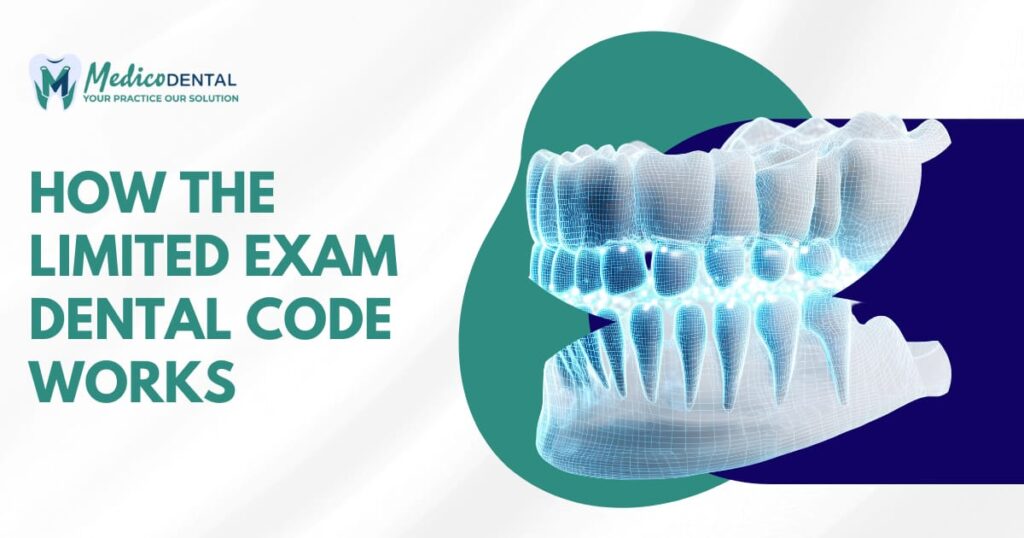
The Limited Exam refers to a type of dental examination that is focused on specific areas or concerns in the mouth rather than a comprehensive evaluation. It’s typically used when a patient is experiencing localized issues such as pain, swelling, or injury. The goal of a limited exam is to address a specific dental concern rather than to conduct a full oral health assessment. This exam is designed to assess a particular problem area, and it often includes targeted questions and a focused physical examination.
What Procedures and Conditions Are Covered Under This Code?
The Limited Exam dental code is used when a dentist evaluates a specific concern that requires immediate attention or a follow-up assessment. Common conditions covered under this code include:
- Localized pain or discomfort in a particular area of the mouth.
- Injury or trauma to the teeth or gums.
- Swelling or infection in a localized area.
- Emergency consultations to diagnose specific issues (e.g., toothaches, fractures).
- Follow-up evaluations after a previous dental procedure.
Unlike a comprehensive exam, which includes an overall assessment of the patient’s dental and medical history, the limited exam is narrow in scope and specific to the issue at hand.
How the Limited Exam Differs from Other Types of Dental Exams
A Limited Exam differs from a Comprehensive Exam in several ways:
- Scope: A comprehensive exam is a thorough evaluation of the patient’s entire oral health, including an assessment of all teeth, gums, soft tissues, and the overall structure of the mouth. It often includes a detailed review of the patient’s medical history, preventive care needs, and long-term oral health goals. In contrast, a limited exam focuses solely on a specific issue or complaint.
- Purpose: The comprehensive exam is typically used for new patients, routine check-ups, or when establishing a baseline for dental health. A limited exam, on the other hand, is typically used in emergency situations or when the patient is experiencing specific problems.
- Duration: A comprehensive exam may take longer since it involves a more detailed evaluation. The limited exam is usually faster, as it’s targeted at resolving a specific issue.
Understanding the Purpose of a Limited Exam
When is a Limited Exam Typically Used?
A Limited Exam is often used in certain scenarios, such as:
- Emergencies: If you experience a dental emergency, such as a broken tooth, sudden pain, or injury, your dentist may perform a limited exam to diagnose the problem and determine the appropriate treatment.
- Follow-up Visits: If you’ve had a dental procedure, such as a root canal or extraction, your dentist may conduct a limited exam to assess the healing process and address any new concerns.
- Acute Conditions: If you’re experiencing pain or discomfort that is localized to a specific area of your mouth, the dentist may perform a limited exam to investigate the source of the pain and develop a treatment plan.
Why a Limited Exam is Often a Cost-Effective Option for Patients
A limited exam is usually less expensive than a comprehensive exam because it is more focused and requires less time. This can make it an attractive option for patients who need care for a specific issue but do not require a full exam. It can also be beneficial for patients who are concerned about the cost of dental procedures but need prompt attention for a localized problem.
Common Scenarios for Using the Limited Exam Dental Code
Some of the most common scenarios where the limited exam dental code applies include:
- Toothaches: If you’re experiencing pain in a specific tooth or area of your mouth, the dentist will perform a limited exam to identify the cause of the pain, such as a cavity, abscess, or tooth fracture.
- Dental Trauma: If you’ve experienced a dental injury (e.g., a broken or chipped tooth), a limited exam will focus on diagnosing the extent of the injury and planning the necessary treatment.
- Swelling or Abscesses: If you’re experiencing swelling in the gums or mouth, the dentist will conduct a limited exam to determine if there’s an infection or other underlying issue.
The Components of the Limited Exam Dental Code
Key Components Involved in the Limited Exam
A Limited Exam typically includes several key components:
- Patient History: The dentist will ask questions related to the specific concern you’re experiencing. For example, if you’re in pain, they might ask how long you’ve been experiencing it, where it hurts, and what kind of pain it is.
- Focused Physical Examination: The dentist will examine the area of concern, looking for signs of infection, trauma, decay, or other issues that could explain the symptoms.
- Diagnosis and Treatment Plan: Based on the findings of the limited exam, the dentist will diagnose the issue and discuss potential treatment options. This might include prescribing medication, recommending a procedure, or advising on follow-up care.
How the Dentist Documents the Limited Exam
During the limited exam, the dentist will document their findings in the patient’s dental records. This will typically include:
- Description of Symptoms: The dentist will note the specific symptoms you’re experiencing (e.g., pain, swelling, bleeding).
- Examination Findings: The dentist will record what they observe during the exam, such as signs of decay, fractures, infections, or other dental issues.
- Recommended Treatment: The dentist will outline the treatment options they recommend, which could include further diagnostic testing, a procedure, or follow-up visits.
Types of Diagnostic Tools and Procedures Used During the Limited Exam
Diagnostic tools used during a limited exam may include:
- X-rays: A localized X-ray may be taken to help diagnose issues like cavities, infections, fractures, or abscesses.
- Visual Inspection: The dentist will examine the teeth, gums, and soft tissues for signs of visible damage or infection.
- Palpation and Percussion: The dentist may gently press on the affected area or tap on teeth to identify pain or sensitivity.
How Does the Limited Exam Dental Code Affect Insurance Coverage?
How Insurance Companies Use Dental Codes to Determine Coverage
Insurance companies rely on dental codes to determine which procedures are covered under a patient’s plan. When a dentist submits a claim for a limited exam, they use the appropriate code to specify that the exam was focused on a specific concern rather than a full evaluation. This helps the insurance company process the claim and determine whether the procedure is covered.
The Role of the Limited Exam Code in Dental Insurance Claims
The Limited Exam code is often covered by insurance as part of emergency care or urgent visits. However, some insurance plans may have exclusions or limitations for certain types of exams, especially if they occur too frequently or are considered outside the scope of preventive care.
Insurance Policies That May Cover a Limited Exam
Most dental insurance plans will cover a limited exam if it is medically necessary, such as for emergencies or specific concerns. However, the level of coverage may vary depending on the plan. Some plans may cover a limited exam with a co-pay, while others may require the patient to meet a deductible first.
Common Exclusions
Some insurance policies may exclude coverage for limited exams if they are considered part of an ongoing problem that is not urgent or if the exam was performed within a short period of time after a previous exam.
When Does Insurance Cover the Limited Exam Dental Code?
Insurance companies are more likely to cover a limited exam under the following circumstances:
- Injury or Trauma: If a patient has experienced dental trauma, such as a broken tooth, the limited exam code may be covered.
- Acute Conditions: If a patient is experiencing sudden pain or infection in a specific area of the mouth, insurance may cover the exam.
Patients should be prepared for co-pays, deductibles, and possible out-of-pocket costs depending on their insurance plan and the nature of the exam.
What Happens If the Limited Exam Dental Code Isn’t Covered?
If your limited exam is not covered by insurance, the dentist’s office will typically inform you ahead of time. If this happens, you have several options:
- Payment Plans: Many dental offices offer payment plans, allowing you to spread the cost of the exam over time.
- Other Payment Options: You might also consider using Health Savings Accounts (HSAs) or Flexible Spending Accounts (FSAs) to cover the costs of the exam.
Working with your dentist to avoid unexpected costs can also help. Be sure to clarify the costs upfront and ask about financing options if your insurance doesn’t cover the exam.
Key Differences Between the Limited Exam and Comprehensive Exam Dental Code
Detailed Comparison Between the Limited Exam and Comprehensive Exam
| Aspect | Limited Exam | Comprehensive Exam |
| Scope | Focused on specific problems or areas. | Thorough review of the entire mouth. |
| Purpose | To address an urgent concern or follow-up. | To assess overall oral health and develop long-term care plans. |
| Duration | Shorter, typically takes less time. | Longer, due to a detailed evaluation. |
| Cost | Generally lower cost. | Higher cost due to more extensive services. |
When a Dentist Might Opt for One Over the Other
Dentists typically choose a Limited Exam when the patient has a specific issue, such as a toothache or injury, that requires immediate attention. A Comprehensive Exam is more appropriate for new patients or for routine check-ups when a thorough review of the entire mouth is needed.
Coverage and Costs
Insurance coverage for both types of exams varies. A Limited Exam is often covered by insurance for emergencies or urgent care, while a Comprehensive Exam may be covered as part of routine preventive care.
the Role and Importance of the Limited Exam Dental Code
In the world of dental care, proper documentation and accurate billing are essential components of providing quality service while ensuring that patients and dental professionals are aligned on treatment and financial matters. One important aspect of this process is the use of dental codes, specifically the Limited Exam Dental Code. This code is used to document and bill for dental exams focused on a specific issue or concern, rather than a comprehensive assessment of the entire mouth. In this article, we will explore the role of the Limited Exam Dental Code in treatment planning, best practices for dentists, common mistakes to avoid, and frequently asked questions about this procedure.
The Role of the Limited Exam in Dental Treatment Planning
How the Results of a Limited Exam Influence the Treatment Plan
A Limited Exam serves as a diagnostic tool that helps the dentist evaluate a specific problem area in the patient’s mouth. Unlike a comprehensive exam, which involves a full review of the patient’s dental health, a limited exam is focused on assessing the immediate issue at hand, such as localized pain, swelling, or injury. Based on the findings of the limited exam, the dentist will create a treatment plan that is targeted to address the specific condition.
For example, if a patient presents with tooth pain, the limited exam might reveal a cavity, fracture, or infection. From there, the dentist will outline a treatment plan that directly addresses that issue such as a filling, root canal, or extraction rather than a more generalized set of procedures.
The Role of the Limited Exam in Diagnosing Specific Dental Conditions
The Limited Exam is particularly useful in diagnosing specific dental conditions that require immediate attention. Because it is focused on a narrow issue, this type of exam is typically used to identify:
- Cavities: Small cavities or decay that may not yet be visible to the naked eye.
- Dental Trauma: Fractures, chips, or other injuries to the teeth or gums caused by accidents or impact.
- Infections or Abscesses: Infections that may cause localized pain, swelling, or discomfort.
- Soft Tissue Issues: Problems with the gums or other soft tissues in the mouth, such as inflammation or sores.
These conditions can often be detected quickly during a limited exam, allowing the dentist to implement a timely treatment plan.
Examples of Dental Conditions That Can Be Identified Through a Limited Exam
- Toothaches: A localized toothache might be caused by a cavity, an exposed root, or a dental abscess. A limited exam can help identify the root cause of the pain.
- Broken or Chipped Teeth: After an injury, the dentist may conduct a limited exam to assess the extent of the damage and decide on the necessary treatment.
- Infection: An abscess or infection in a specific part of the mouth may be diagnosed through a focused exam, with the treatment plan aimed at draining the abscess or addressing the source of the infection.
- Gum Inflammation or Swelling: Conditions like gingivitis or periodontitis, which involve swelling or infection in the gums, can be diagnosed through a limited exam.
Best Practices for Dentists Using the Limited Exam Dental Code
Tips for Dental Professionals on Properly Documenting the Limited Exam
Accurate documentation is crucial when using the Limited Exam Dental Code. Dentists must clearly record all findings, including:
- Patient History: Documenting the patient’s specific complaint (e.g., tooth pain, swelling) is critical to understanding the issue.
- Examination Findings: Notes should include observations such as the presence of decay, swelling, or damage to teeth or gums.
- Treatment Plan: The dentist should outline the proposed treatment based on the limited exam’s findings, including any follow-up care needed.
Proper documentation helps ensure that the exam is accurately coded and that the insurance claim is processed without issues.
How to Ensure the Limited Exam is Appropriately Coded to Avoid Billing Issues
It’s essential that dental professionals use the correct CDT code for the Limited Exam (usually D0140) to avoid billing issues. Using the wrong code could result in claim rejections, delays, or even denial of reimbursement. To ensure accuracy:
- Double-check codes: Make sure the dental code corresponds to the procedure performed (i.e., a limited exam rather than a comprehensive one).
- Consult insurance guidelines: Different insurance policies may have specific guidelines for coding and billing limited exams, so it’s important to stay updated.
- Document everything: Thorough documentation is crucial to justify the use of the limited exam code. Be sure to include all relevant details, such as symptoms and diagnoses.
The Importance of Clear Communication with Patients About What the Limited Exam Entails
Clear communication with patients is vital to ensure they understand the scope of a Limited Exam and what it covers. Dentists should explain that:
- A Limited Exam focuses on specific issues rather than providing a complete oral health assessment.
- It is typically used for emergency situations or follow-up visits.
- If additional procedures or treatments are needed, they will be discussed separately.
By setting the right expectations, patients will better understand the treatment process and their potential costs.
Common Mistakes to Avoid When Using the Limited Exam Dental Code
Frequent Billing Mistakes Related to the Limited Exam Code
Dental offices should be cautious of common billing mistakes when using the Limited Exam code:
- Misusing the Code: Using the limited exam code when a comprehensive exam was performed could lead to incorrect billing. Ensure the code accurately reflects the procedure performed.
- Incorrect Documentation: Failing to provide sufficient documentation to support the use of the limited exam code can result in claim denials.
- Frequency Violations: Some insurance plans limit the frequency with which a Limited Exam can be billed. If the patient has had multiple limited exams within a short period, the insurance company may deny coverage.
How Improper Use of Dental Codes Can Affect Insurance Claims and Patient Satisfaction
Improper coding can lead to delays in insurance claims or denials of reimbursement, which may result in patients being billed directly for services they thought were covered. This can cause frustration and dissatisfaction. Additionally, mistakes in coding may affect a dental practice’s revenue and overall financial health.
Tips for Dental Office Staff to Ensure Compliance and Accuracy
To minimize errors when using the Limited Exam Dental Code, dental office staff should:
- Review patient records thoroughly to ensure the correct exam type is billed.
- Stay updated on insurance policies and coding guidelines to avoid errors.
- Provide training for staff on proper coding procedures and documentation practices.
- Use technology: Utilize practice management software that helps verify codes and reduces human error.
Conclusion
The Limited Exam Dental Code plays a crucial role in diagnosing specific dental issues and ensuring that patients receive the appropriate care in a timely manner. By understanding how this code works, both dental professionals and patients can navigate the treatment process more effectively. For dentists, proper documentation, coding, and communication are essential for minimizing billing errors and ensuring insurance coverage. For patients, it’s important to understand that a limited exam is a focused, cost-effective option for addressing specific concerns.
FAQs
What is the cost of a limited exam compared to a full exam?
Ans. A Limited Exam typically costs less than a Comprehensive Exam because it focuses on a specific issue rather than a complete oral health assessment. The cost of the limited exam will depend on the nature of the concern being addressed and the treatments required, but it is generally more affordable for patients in need of urgent care.
Can a limited exam lead to a more comprehensive treatment plan later?
Ans. Yes, a Limited Exam may uncover issues that require more extensive treatment, such as a root canal, filling, or extraction. If additional problems are identified, the dentist will develop a more comprehensive treatment plan. However, the limited exam itself only addresses the immediate concern.
How often can a limited exam code be used for the same patient?
Ans. The Limited Exam code can be used multiple times for the same patient, depending on the nature of the issue. However, it is generally intended for emergency or specific concerns rather than routine check-ups. Insurance policies may have frequency limits, so it’s important to review the patient’s insurance coverage and the details of their treatment history.