Navigating the world of dental care can be a bit overwhelming, especially when it comes to insurance coverage and understanding dental codes. Dental codes are essential for both dental professionals and patients, as they ensure that procedures are accurately documented and billed, and they play a significant role in determining insurance reimbursement. A common procedure that often raises questions regarding its coverage is the full mouth series. In this article, we’ll delve into what the dental code for a full mouth series entails, how it impacts your insurance coverage, and what you should know as a patient.
What is the Dental Code for Full Mouth Series?
Understanding the Dental Code
The dental code, often referred to as the Current Dental Terminology (CDT) code, is a standardized system used by dental professionals to classify and describe dental procedures. These codes ensure that procedures are universally understood, accurately recorded, and correctly billed to insurance companies.
Definition of a Full Mouth Series
A full mouth series refers to a set of X-rays that provide a comprehensive view of a patient’s mouth, including all teeth and surrounding bone structures. This series typically consists of 18 to 20 individual radiographs, depending on the patient’s anatomy and dental needs. It includes a combination of bitewing and periapical X-rays, which help to assess the teeth, gums, jawbone, and any potential issues such as cavities, infections, or tumors.
Why the Dental Code for Full Mouth Series Matters
The dental code for a full mouth series is crucial for both dental professionals and patients. For professionals, it ensures proper documentation of the procedures and helps to communicate the patient’s dental needs. For patients, understanding the code is important as it can directly impact the cost of the treatment and the likelihood of insurance coverage. Without the correct code, insurance claims may be rejected, and patients could face higher out-of-pocket costs.
How Dental Codes Impact Your Insurance Coverage
Introduction to How Dental Codes Are Used by Insurance Companies
Dental insurance companies rely on CDT codes to assess and process claims. When you visit a dentist and undergo a procedure like a full mouth series, the dentist will use the appropriate dental code to submit a claim to your insurance provider. The insurance company uses these codes to determine how much of the procedure is covered by your policy.
The Role of Dental Codes in Determining Coverage Eligibility
Dental codes play a crucial role in determining whether a procedure is eligible for coverage. Each code is tied to specific rules within the insurance policy, which dictate the conditions under which coverage applies. For a full mouth series, the insurance provider will look at the code to determine if it falls under the type of preventive care or diagnostic procedures covered by your plan.
Common Dental Codes and How They Apply to Full Mouth Series Treatments
The dental code for a full mouth series typically falls under the range of D0210 (Complete Series of Radiographic Images) in the CDT codebook. Depending on your insurance plan, there may be additional codes associated with the type of X-rays used (e.g., D0220 for a periapical X-ray or D0230 for a bitewing X-ray). These codes help your insurance provider determine the appropriate level of coverage and reimbursement. Familiarizing yourself with these codes can help you better understand your treatment and how it will be covered.
Full Mouth Series: What Does It Include?
Detailed Explanation of the Procedures that Fall Under a Full Mouth Series
A full mouth series involves a comprehensive set of dental X-rays that provide a detailed look at the teeth, gums, and bone structures in the entire mouth. It typically includes:
- Bitewing X-rays: These X-rays capture the upper and lower teeth in one image and help identify cavities between the teeth and issues with the bone structure.
- Periapical X-rays: These provide a detailed view of the entire tooth from the crown to the root, including the surrounding bone. They help detect issues such as abscesses, cysts, or bone loss.
- Occlusal X-rays: These show the full view of the teeth on either the upper or lower jaw and help in diagnosing developmental anomalies or other conditions like tumors.
This combination of radiographs provides a complete picture of a patient’s oral health, making it an essential diagnostic tool for dentists.
Types of X-rays Involved and Why They Are Necessary
Each type of X-ray in a full mouth series serves a specific purpose. Bitewing X-rays are used primarily to detect cavities between teeth. Periapical X-rays are used for a deeper view of individual teeth, especially their roots and surrounding bone. Occlusal X-rays are often used when there is a need to examine the full extent of the teeth in a single arch, helping identify issues such as fractures or impactions. These X-rays collectively help dentists make a comprehensive assessment of the patient’s oral health.
Different Diagnostic Tests Covered by the Dental Code for Full Mouth Series
The diagnostic tests covered by the dental code for a full mouth series often include the above-mentioned X-rays, but depending on the patient’s needs, the dentist may recommend additional diagnostic procedures. For example, if the dentist suspects more complex issues such as root infections or cysts, they may order additional imaging like cone beam CT scans (which, in some cases, may be covered by insurance) to provide a 3D view of the dental structures.
Does Insurance Cover the Dental Code for Full Mouth Series?
Overview of General Dental Insurance Coverage Rules
Dental insurance coverage for a full mouth series can vary depending on the type of plan you have. Most dental insurance plans include coverage for diagnostic procedures, but the extent of coverage can differ. Typically, full mouth X-rays are covered once every 3 to 5 years, depending on the individual’s oral health and age. This is because full mouth series X-rays are not needed frequently unless there are specific concerns or conditions that require a thorough evaluation.
When Dental Insurance Covers a Full Mouth Series
Insurance coverage for a full mouth series usually occurs under two conditions:
- Preventive Care: If your dentist deems that a full mouth series is part of your preventive care, insurance is likely to cover the procedure.
- Diagnostic Needs: If the X-rays are necessary for diagnosing a dental condition, such as detecting hidden cavities, infections, or bone loss, your insurance provider may cover the costs as well.
Factors Affecting Coverage
Several factors affect whether insurance will cover the full mouth series:
- Type of Insurance Plan: Different plans (PPO, HMO, or indemnity) have varying levels of coverage for diagnostic procedures.
- Patient’s Dental Needs: If you have specific dental health concerns, your provider may approve coverage for additional diagnostic procedures.
- Provider Network: Whether your dentist is within the insurance provider’s network can also impact whether coverage applies.
Insurance Coverage for Full Mouth Series: What You Need to Know
Common Insurance Policies That May Cover a Full Mouth Series
- PPO Plans: PPO plans often cover full mouth series X-rays, especially as part of preventive care. However, they may have a co-pay or deductible.
- HMO Plans: HMO plans may have more limited coverage, and you may need a referral to get the procedure covered.
- Indemnity Plans: These plans tend to offer the most flexibility, and coverage for a full mouth series is usually included.
Potential Out-of-Pocket Costs for Patients
Even with insurance, you may still incur out-of-pocket costs for a full mouth series. These could include co-pays, deductibles, or charges for services outside of the covered amount. Be sure to review your plan’s details or contact your insurance provider to understand the exact costs.
How to Confirm if Your Insurance Covers a Full Mouth Series
To confirm if your insurance covers a full mouth series, contact your insurance provider directly. They can provide you with information about your policy, coverage limits, and whether or not a full mouth series is considered a covered procedure under your plan. It’s also a good idea to ask your dentist’s office to submit a pre-treatment estimate to your insurance company, which will give you a clear idea of how much will be covered and what you’ll need to pay out of pocket.
How to Verify if Your Full Mouth Series is Covered by Insurance
When planning a dental visit that involves a full mouth series of X-rays, it’s essential to know if your insurance will cover the procedure. A full mouth series can be a costly procedure, but understanding how to verify if your insurance covers it can save you from unexpected out-of-pocket expenses. Here’s a step-by-step guide to checking your coverage, along with tips for understanding what to ask your insurance provider and how to secure pre-authorization if necessary.
Step-by-Step Process on Checking Insurance Coverage
Review Your Insurance Plan
Before contacting your insurance provider, take a close look at your dental plan. Many insurance companies list covered procedures in their plan documents, often under preventive or diagnostic care. Review the specifics of what’s included in your coverage and if a full mouth series falls under that category.
Contact Your Insurance Provider
Once you have a basic understanding of your coverage, reach out to your insurance provider. You can typically contact them via phone, email, or their online portal. Be prepared with your policy number, personal information, and details about the dental procedure (i.e., full mouth series).
Confirm the Code and Coverage
The dental office will typically submit the insurance claim using a specific CDT code (e.g., D0210) for the full mouth series. Confirm with your insurance provider that the specific code for this procedure is covered under your plan.
Ask About Pre-Authorization
Some insurance plans require pre-authorization before they will cover a full mouth series. This means your dentist’s office must submit the treatment plan to the insurer in advance to receive approval. If pre-authorization is needed, ask the insurance provider how long it will take to process the request and whether there are any additional steps required.
Alternatives to Full Mouth Series and Their Coverage
If your insurance does not cover a full mouth series or if it’s outside your coverage window, there are alternative diagnostic options that may be more affordable or covered. Here’s a comparison of alternatives:
Alternative Diagnostic Options for Full Mouth Series
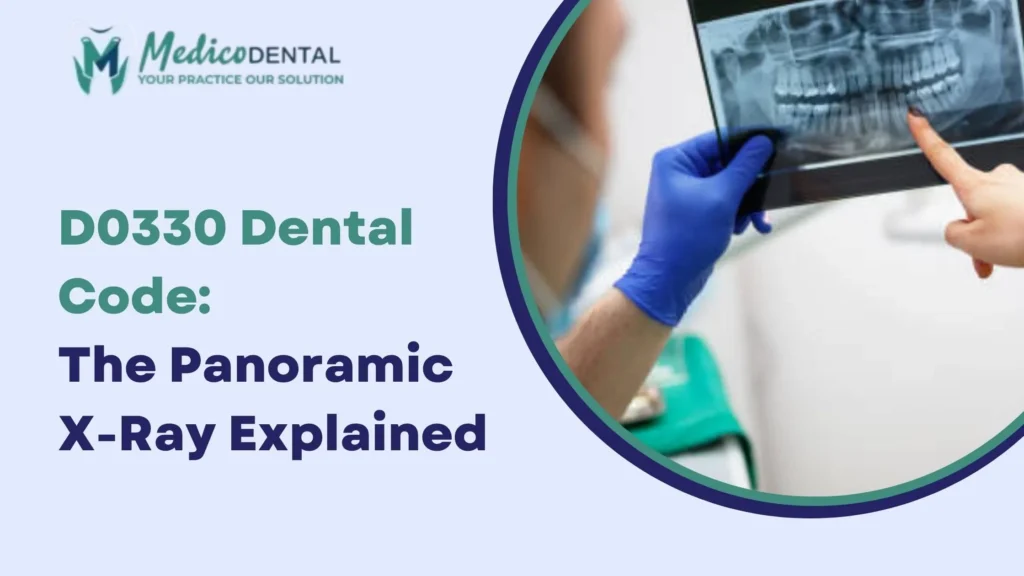
- Panoramic X-rays: A panoramic X-ray provides a broad view of the entire mouth, showing all the teeth, upper and lower jaws, and surrounding structures. It is often less detailed than a full mouth series but may still detect significant dental issues.
- Bitewing X-rays: These X-rays focus on the upper and lower teeth and are typically used to detect cavities between teeth, bone loss, and other issues in a more limited area. Bitewings are less comprehensive than a full mouth series but can be a less expensive alternative.
- Individual Periapical X-rays: This option involves taking a series of X-rays of individual teeth, often used when a dentist needs a closer look at specific areas of the mouth.
How Insurance Coverage Compares for Alternatives
In general, insurance plans are more likely to cover bitewing X-rays and panoramic X-rays as part of routine exams. These X-rays tend to be considered preventive or diagnostic care and are typically included in most dental insurance plans. However, for a full mouth series, insurance coverage may be less consistent, with many plans providing coverage only once every few years.
Pros and Cons of Each Option
- Full Mouth Series:
- Pros: Provides a comprehensive view of the entire mouth, offering the most accurate diagnosis.
- Cons: More expensive and may not be covered by insurance as frequently.
- Panoramic X-rays:
- Pros: Less expensive than a full mouth series and provides a broad overview.
- Cons: Less detailed than a full mouth series, so some issues may go undetected.
- Bitewing X-rays:
- Pros: Affordable and effective for detecting cavities and bone loss.
- Cons: Limited to the upper and lower teeth, missing issues outside this area.
What to Do if the Full Mouth Series is Not Covered by Insurance
If your insurance provider denies coverage for a full mouth series, it doesn’t mean you’re out of options. There are ways to manage the costs, ensuring that you still receive the care you need.
Exploring Financing Options
Many dental offices offer financing plans or work with third-party financial services that allow you to pay for dental procedures over time. These plans can help break down the cost of the full mouth series into manageable monthly payments, easing the burden of upfront costs.
Discount Dental Plans and Payment Plans
In addition to traditional insurance, there are discount dental plans available that can reduce the cost of various dental treatments, including full mouth series X-rays. These plans often require an annual fee but can offer significant savings on diagnostic and preventive services.
Some dental offices also offer in-house payment plans that allow you to pay for the treatment in installments directly to the dentist, often with little to no interest.
How to Talk to Your Dentist About Coverage Concerns
If your insurance doesn’t cover the full mouth series, communicate openly with your dentist’s office. Ask if there are alternative procedures or X-rays that may be covered by your insurance. Dentists are often flexible and can help you find the most affordable path forward for necessary treatments.
How to Appeal an Insurance Decision for Full Mouth Series Coverage
If your insurance provider denies coverage for a full mouth series, don’t give up. Many claims can be successfully appealed. Here’s how:
Tips for Appealing a Denied Claim
- Review the Denial Letter: Understand the reason your claim was denied. It could be due to a coding issue, frequency limits, or lack of medical necessity.
- Contact Your Insurance Provider: Call your insurance company to clarify the reasons behind the denial and ask for any possible steps to take in appealing the decision.
- Submit Additional Documentation: If the denial was based on medical necessity, your dentist may need to submit additional documentation explaining why the procedure is needed for your health.
Common Reasons for Denial and How to Address Them
- Lack of Medical Necessity: If the insurance company believes the full mouth series isn’t necessary, a letter from your dentist explaining the clinical reasons for the procedure may be needed.
- Frequency Limits: If you’ve had a full mouth series recently, your insurance may have limits on how often the procedure can be covered. If the procedure is still necessary, your dentist can submit a request for an exception.
How to Submit Necessary Documentation
Your dentist’s office can help with the appeal process by submitting the necessary forms, letters, and X-ray images. Be proactive in ensuring that all required information is submitted and double-check that all required documentation is complete.
Conclusion
Navigating the complexities of dental insurance and understanding the dental code for a full mouth series can help you avoid surprise expenses and ensure you receive the care you need. Start by reviewing your insurance policy, contact your provider for clarification, and ask the right questions. If your full mouth series isn’t covered, explore financing options or other diagnostic alternatives. And if your claim is denied, don’t hesitate to appeal—your dentist can assist you in submitting additional documentation.
Staying informed about your dental treatment coverage options helps you make confident decisions about your care, ensuring your oral health remains a priority without breaking the bank.
FAQs
What is the dental code for a full mouth series in common insurance policies?
Ans. The CDT code for a full mouth series is typically D0210. This is the code used by dental professionals when submitting a claim for the procedure to insurance companies.
Are there age restrictions or frequency limits for coverage of a full mouth series?
Ans. Many insurance policies limit coverage for full mouth series X-rays to once every 3 to 5 years. Additionally, some insurance plans may have age restrictions, where younger patients might not need a full mouth series as frequently.
Can I use the dental code for a full mouth series if I’ve already had one recently?
Ans. In most cases, you cannot use the same code for a full mouth series within a short time frame. Insurance companies often limit the number of times this procedure can be billed within a set period, usually 3 to 5 years.