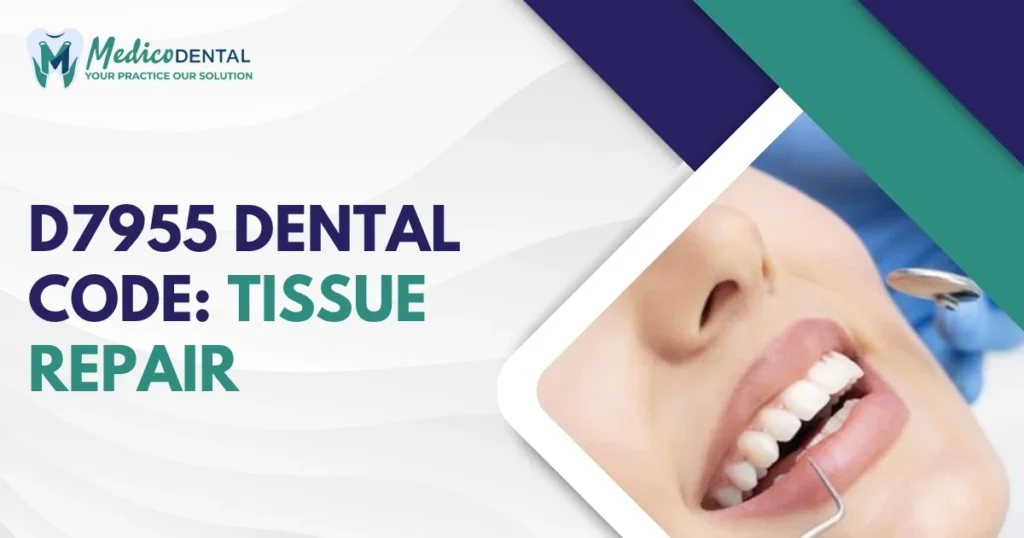
The D7955 dental code refers to a specific procedure used in tissue repair during maxillofacial surgeries, primarily for complex tissue reconstruction. It encompasses a wide range of procedures where tissue repair is required, often in cases of trauma, congenital defects, or tumor removals. This code plays an essential role in helping dental professionals, surgeons, and medical billing specialists standardize the process of reimbursement for these intricate procedures. By using D7955, healthcare providers can ensure that they are correctly billing for complex reconstructive procedures that involve soft tissue, bone grafts, or other advanced surgical techniques.
Importance of D7955 in Tissue Repair
The significance of the D7955 code lies in its ability to simplify the billing and insurance reimbursement process for surgeries involving complex tissue repair. This dental code ensures that maxillofacial procedures often involving significant medical costs and high levels of surgical complexity are adequately covered by insurance. Without a dedicated code like D7955, healthcare providers might struggle to receive reimbursement for these services. Therefore, its correct use is crucial for medical practices that deal with reconstructive and corrective surgeries, as it helps secure appropriate compensation for their specialized care.
What is D7955?
Definition of D7955
D7955 is a procedural code in the dental billing system used specifically for complex tissue repair procedures. The code is primarily applied in cases where surgical intervention is necessary to repair or reconstruct soft tissue or bone within the oral and maxillofacial regions. This includes operations like bone grafting, the placement of alloplastic materials, and flap procedures used in reconstructing the mouth, jaw, or face after trauma or surgery. As a part of the dental codes, it facilitates accurate billing, ensuring that oral surgeons are properly reimbursed for intricate and costly procedures. The use of this code can range from minor repairs to extensive surgeries for patients suffering from facial trauma, congenital defects, or recovering from tumor excisions.
Purpose of D7955 in Tissue Repair Procedures
D7955 is essential for facilitating proper reimbursement in complex tissue repair procedures. It ensures that when a patient requires extensive repairs or reconstruction of the maxillofacial area whether from accident, congenital conditions, or tumors the healthcare provider is able to secure proper compensation. The code specifically covers tissue repair that involves both soft tissues and bones, a common requirement for surgeries aimed at restoring functional and aesthetic aspects of a patient’s facial structure. Through this standardized billing procedure, the dental industry can maintain a clear, accurate, and effective system for reimbursement in highly specialized surgical procedures.
When is D7955 Used?
Common Scenarios for Using D7955
D7955 is used in various clinical scenarios where complex tissue repair is required. These scenarios often involve challenging procedures in the maxillofacial region and include trauma, tumor removal, and congenital defects.
Trauma
In trauma cases, such as accidents leading to facial fractures, lacerations, or other injuries that disrupt the soft tissue and bone of the face, D7955 is used to facilitate the repair. Surgeons often need to restore both bone structures and the overlying tissues. The use of this code ensures that procedures like bone grafting or tissue flaps are accurately billed for reimbursement.
Tumor Removal
D7955 also comes into play when reconstructive surgery is required after tumor removal in the oral or maxillofacial areas. Tumor excision, especially in cases of oral cancer or other growths, may leave extensive defects in the tissue. The D7955 code helps cover the reconstruction needed to restore functionality and appearance, including any bone grafting, flap surgeries, or the use of alloplastic materials.
Congenital Anomalies
Patients with congenital defects such as cleft lips or palates may require the use of D7955. In these cases, tissue repair is often necessary to reconstruct the mouth, jaw, and surrounding areas. Whether through bone grafts, tissue flaps, or the placement of synthetic materials, the D7955 code allows surgeons to bill for these complex, reconstructive surgeries.
Types of Procedures Covered Under D7955
D7955 covers several procedures that play a critical role in the reconstruction and repair of soft tissues and bones, which are often necessary in the cases mentioned above.
Bone Grafting
Bone grafting procedures are essential for patients who suffer from bone loss, either due to trauma, infection, or surgery. This type of repair is often used in reconstructive surgeries where the bone structure needs to be restored or augmented. D7955 is the code used to bill for these grafting procedures, ensuring that the surgeon is reimbursed for the materials used, as well as the surgical expertise required to complete the procedure.
Flap Procedures
Flap procedures involve repositioning a section of tissue to cover a wound or defect, often used in the repair of facial tissue after injury, tumor removal, or surgery. D7955 is used to bill for the various types of flap surgeries, such as pedicled or free flaps, which are necessary for restoring both form and function to the affected area.
Alloplastic Materials
In certain reconstructive surgeries, synthetic or alloplastic materials may be used to replace lost tissue or bone. These materials can include bone substitutes, collagen matrices, or other bio compatible materials designed to integrate with natural tissue. D7955 is the billing code that allows surgeons to charge for these materials and the procedure needed to properly incorporate them into the patient’s body.
Differences Between D7955 and Other Dental Codes
Comparison of D7955 with Related Codes
D7955 is often compared to other dental procedure codes, as it covers more complex tissue repair surgeries. Here are some key comparisons:
D7950
D7950 is another code related to maxillofacial surgeries, but it pertains specifically to general ridge augmentation. Ridge augmentation is a procedure that increases the height or width of the jawbone, often required before the placement of dental implants. While D7955 covers more extensive procedures like bone grafts and flap surgeries, D7950 focuses on the simpler augmentation of the jaw for implant placement.
D7953
D7953 is used for ridge preservation, which is the technique of maintaining the shape of the bone after a tooth extraction. While D7955 covers more invasive reconstructive procedures, D7953 is used for less complex cases of preserving the bone structure after a tooth removal.
Distinction in Complexity and Scope
The complexity of procedures under D7955 is higher compared to codes like D7950 and D7953, as D7955 often involves significant tissue repair or reconstruction, including the use of bone graft, flaps, and alloplastic materials. The procedures under D7955 generally require advanced surgical techniques and more extensive recovery times, which is reflected in its billing as a more complex and higher reimbursement procedure.
Key Considerations for Billing D7955
Documentation Requirements
Accurate documentation is critical when billing for D7955. The dental office or surgeon must thoroughly document the patient’s medical history, the specifics of the procedure, and any materials used during surgery. This includes detailed descriptions of the tissue repair techniques, such as the type of graft or flap used, as well as the surgical approach. Additionally, any complications or special considerations during the procedure should be clearly recorded to support the claim for reimbursement.
Common Mistakes in Billing and How to Avoid Them
There are several common mistakes made when billing for D7955, and it is important for medical billing specialists and surgeons to avoid these errors.
Incorrect Code Usage
One of the most frequent mistakes in billing is using the incorrect code for the procedure. For example, using D7950 or D7953 when the procedure requires D7955 can lead to claim denials. It is crucial to ensure that the correct code is used based on the complexity of the surgery.
Incomplete Documentation
Incomplete documentation is another major issue. If the surgical details are not fully documented, it can result in delayed or denied claims. Billing specialists should verify that every part of the procedure is well documented, including the type of surgery, the materials used, and the patient’s recovery plan. Ensuring comprehensive documentation helps avoid delays in reimbursement and potential audits.
Insurance Coverage and Reimbursement for D7955
How Different Insurance Companies Handle D7955
Understanding how various insurance companies handle D7955 is crucial for ensuring timely and accurate reimbursement. Different providers may have specific policies, eligibility criteria, and coverage conditions for tissue repair procedures.
Anthem Blue Cross
Anthem Blue Cross generally covers the D7955 code for procedures that involve complex tissue repair or reconstruction, particularly when the surgery is deemed medically necessary. However, Anthem may require additional documentation to justify the use of the code, including detailed surgical notes, preoperative imaging, and a comprehensive medical history. It is important for the healthcare provider to demonstrate the need for the procedure based on trauma, congenital defects, or tumor removal. Anthem also often requires a prior authorization for higher cost procedures, so confirming the insurance eligibility and authorization status before performing the surgery can streamline the billing process.
Florida Blue
Florida Blue, like other major insurers, covers D7955 procedures when they are necessary for reconstructive surgeries, particularly those that restore the form and function of the mouth and jaw. Similar to Anthem, Florida Blue may request detailed documentation to substantiate the necessity of the procedure. This can include surgical reports, evidence of prior failed treatments, or imaging that highlights the extent of tissue damage. Florida Blue also has a policy for coordinating care, so healthcare providers should ensure that all relevant specialists, including oral surgeons and maxillofacial professionals, are involved in the process. Prior approval may be necessary for certain complex cases, and providers should verify the coverage before proceeding with surgery.
Coverage Criteria and Medical Necessity Requirements
For insurance companies to reimburse D7955, the procedure must meet specific medical necessity criteria. Insurance providers typically assess whether the surgery is required due to injury, congenital conditions, or as part of reconstructive work following cancer treatments or other serious medical conditions. The medical necessity may be justified if the surgery restores function or helps with pain management. Additionally, insurers may request a history of failed conservative treatments or provide detailed documentation regarding the expected outcomes of the surgery.
The key factors insurers often consider include:
- Severity of the condition: Is the injury or deformity severe enough to warrant surgery?
- Failure of non surgical treatments: Has the patient undergone alternative treatments that did not yield positive results?
- Restoration of function: Does the surgery help restore the patient’s ability to chew, speak, or maintain oral health?
Before proceeding, it’s important for practitioners to confirm these requirements with the insurance company to ensure that reimbursement will be approved.
Exclusions and Limitations of D7955
What is Not Included Under D7955
Although D7955 covers a wide range of reconstructive and tissue repair procedures, there are certain exclusions and limitations associated with its use.
- Graft Material Collection: The cost of graft materials, such as bone graft or synthetic materials, is generally not included under D7955. These costs may be billed separately under different codes.
- Prosthetics on an Edentulous Jaw: D7955 does not cover the placement of prosthetics for an edentulous (toothless) jaw. While tissue repair may be involved, the actual prosthetic work, including dentures or implants, is typically billed under different codes, such as D7230 for implant placement or D5110 for full dentures.
- Non reconstructive Cosmetic Procedures: Any purely cosmetic surgery that does not aim to restore function or alleviate pain is generally not covered under D7955. For example, procedures that are purely aesthetic in nature (e.g., chin augmentation for cosmetic reasons) would not qualify for reimbursement under this code.
It’s important for healthcare providers to distinguish between procedures covered by D7955 and those that fall outside the scope of this code to avoid billing errors or denials.
Best Practices for Accurate Coding and Reporting D7955
Steps for Accurate Documentation
Accurate documentation is the cornerstone of successful billing and reimbursement for D7955. To ensure proper coding, follow these best practices:
- Detailed Surgical Reports: Include clear descriptions of the procedures performed, including the type of tissue repair, grafts used, and the specific surgical techniques.
- Preoperative Imaging and Assessments: Provide preoperative imaging (X rays, CT scans, or MRIs) that shows the extent of the injury or deformity.
- Postoperative Notes: Document any postoperative care, recovery progress, and follow up visits that are necessary to complete the procedure.
- Medical Necessity Justification: Clearly explain why the procedure was necessary, especially if it’s being performed to restore function or improve the patient’s quality of life.
- Patient’s Medical History: Include any relevant details about the patient’s health history, including pre existing conditions, prior surgeries, and treatments attempted before opting for surgery.
By following these documentation guidelines, healthcare providers can improve their chances of receiving timely and full reimbursement for D7955 procedures.
How to Ensure Compliance with Dental Coding Standards
Compliance with dental coding standards is essential to avoid claim denials and audits. To ensure adherence to these standards:
- Use the Correct CPT/HCPCS Codes: Always verify the accuracy of the dental code used for each procedure. Misusing codes can lead to significant delays in reimbursement or even legal repercussions.
- Stay Updated on Coding Changes: Dental codes can evolve, and new updates or revisions may affect billing practices. Regularly check the American Dental Association (ADA) guidelines or CMS updates to stay current.
- Follow the Local Payer’s Guidelines: Different insurance providers may have specific guidelines or billing rules. Always check payer specific policies to ensure compliance.
- Consult with Billing Experts: If unsure about a procedure’s billing requirements, consult with medical coding specialists who are familiar with dental procedures and coding standards.
Adhering to these practices ensures that you maintain compliance with both local and national dental coding standards, minimizing the risk of denials and ensuring accurate reimbursements.
Conclusion
Understanding and properly using the D7955 dental code is critical for dental and maxillofacial practitioners involved in complex tissue repair procedures. This code is essential for ensuring that healthcare providers are properly reimbursed for the intricate surgeries required to restore functionality, aesthetics, and overall quality of life for patients undergoing trauma recovery, tumor removal, or addressing congenital anomalies. By following best practices for coding, documentation, and working with insurance companies, practitioners can reduce the risk of claim denials and ensure timely payment for services rendered.
FAQs
What Procedures Fall Under D7955?
Ans. D7955 covers a wide range of reconstructive and tissue repair procedures, including bone grafting, flap procedures, and the use of alloplastic materials. These procedures are necessary for reconstructing tissue after trauma, tumor removal, or congenital defects. The code is used for surgeries that aim to restore form and function, particularly in the maxillofacial region.
Can D7955 Be Used for Ridge Preservation?
Ans. No, D7955 is not used for ridge preservation. Ridge preservation is a simpler procedure and is coded under D7953. Ridge preservation typically involves maintaining the bone after tooth extraction, whereas D7955 is used for more complex tissue repair and reconstruction.
How Do Insurers View D7955?
Ans. Insurance companies typically view D7955 as a medically necessary procedure, but they often require substantial documentation to verify its necessity. Insurers will look for evidence of trauma, congenital defects, or tumor excision and may require pre authorization for high cost surgeries. Providers should ensure all documentation is in order to avoid claim denials or delays in reimbursement.