In the realm of dentistry, accurate billing and proper coding are crucial to ensuring that patients receive the care they need while dental practices are reimbursed appropriately. One such code is the D6066, which is part of the Current Dental Terminology (CDT) codes used by dental professionals. These codes help standardize dental procedures for insurance claims and documentation. Understanding the specifics of the D6066 code is essential for both practitioners and patients, as it helps define certain treatments and the appropriate billing methods.
What is the D6066 Dental Code?
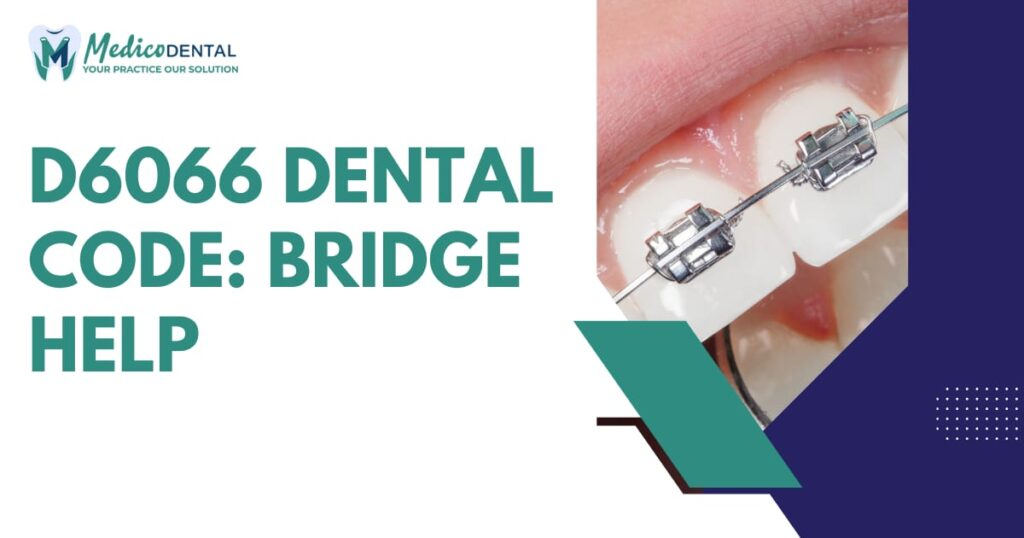
The D6066 dental code is used to describe a specific type of dental procedure: the placement of a bridge that involves the use of a pontic, which is a false tooth, attached to abutments (the supporting teeth or implants) to replace one or more missing teeth. This code falls under the category of prosthodontics, which focuses on the restoration and replacement of damaged or missing teeth.
The significance of the D6066 code is that it specifies the type of material used in the bridge construction, particularly when a porcelain or ceramic material is involved. This distinction helps dental professionals and insurance companies ensure that proper treatment methods and materials are accounted for, allowing for appropriate reimbursement and treatment planning.
When is D6066 Used in Dentistry?
The D6066 code is most commonly applied during the restorative phase of dental treatment, particularly when a patient has lost one or more teeth and a dental bridge is recommended as a solution. The procedure covered by this code is typically used when:
- A single or multiple missing teeth need to be replaced.
- Implants are used to anchor the bridge, especially when traditional crowns or natural abutments are not viable.
- The replacement involves a pontic made from high quality materials such as porcelain, which not only provides functionality but also mimics the look and feel of natural teeth.
Some common treatments and scenarios where the D6066 code is applied include:
- Replacing multiple missing teeth with an implant supported bridge.
- Restoring function and aesthetics for patients with edentulous spaces (spaces without teeth) in the upper or lower jaw.
- Fixing gaps left by lost teeth that require long term restoration.
Understanding the D6066 Bridge Procedure
A dental bridge procedure covered under D6066 is designed to fill in the gaps created by missing teeth, improving both the aesthetic appearance and functionality of the patient’s bite. The process typically involves several steps:
Initial Consultation and Planning
The dentist evaluates the patient’s oral health and determines if an implant supported bridge is the most suitable option. This includes imaging and impressions to create a customized treatment plan.
Placement of Implants or Abutments
For an implant supported bridge, dental implants (artificial tooth roots) are surgically placed in the jawbone. Alternatively, natural teeth can serve as abutments if implants are not an option.
Fabrication of the Bridge
Once the implants or abutments have healed, the dentist takes impressions of the patient’s mouth to design the pontic (artificial tooth) and crowns that make up the bridge.
Fitting and Adjustment
After the bridge is fabricated, it is placed in the patient’s mouth to ensure a proper fit. Adjustments are made as necessary before the final cementation.
In terms of materials, D6066 typically involves porcelain or ceramic bridges, which are preferred due to their durability and the natural look they provide, making them a popular choice for front teeth replacements.
How to Bill with D6066 Code
Billing for dental services is a critical aspect of the healthcare industry, and when using the D6066 code, understanding the dental billing process is vital for both the dental office and the patient. Here’s a step by step guide to billing with D6066:
Verify Insurance Coverage
Before proceeding with treatment, verify the patient’s insurance coverage to ensure that the procedure is covered under their plan. This may involve checking the dental insurance formulary for coverage details related to bridges and implants.
Document the Procedure
Proper documentation is essential for a successful claim. Ensure that all treatment details are recorded, including the use of implants, materials used, and any other specifics that would relate to the procedure and justify the use of the D6066 code.
Submit the Claim
The D6066 code should be listed on the dental claim form along with any other codes for related procedures, such as implant placement (if applicable). It is crucial to accurately enter the appropriate modifiers or additional codes, depending on the services provided.
Follow up and Appeals
If the claim is denied, follow up with the insurance company to provide additional documentation or clarification as needed. This may include submitting additional details about the materials used or other aspects of the treatment.
Common mistakes to avoid when billing with the D6066 code include:
- Failing to properly document the materials used for the bridge, which may cause delays or denials.
- Incorrectly coding for related procedures, such as the implant placement or crown fitting.
- Not checking the patient’s insurance plan for any restrictions or exclusions related to bridges or implants.
Insurance Coverage and D6066 Code
How insurance companies view D6066
Insurance companies evaluate dental procedures based on a variety of factors, including the type of treatment, materials used, and whether the procedure is deemed medically necessary or cosmetic. When it comes to the D6066 code, which applies to implant supported porcelain or ceramic bridges, insurance providers generally categorize the procedure under prosthodontics.
For the D6066 code, insurers will typically consider the patient’s medical history, dental health, and whether the tooth loss can be classified as functional (requiring treatment to restore normal function) or aesthetic (for purely cosmetic purposes). If the procedure is deemed medically necessary (e.g., to restore the ability to chew or to prevent further dental complications), the insurance company is more likely to approve the claim. However, if the procedure is deemed cosmetic, it may be excluded from coverage.
Reimbursement policies for D6066 procedures
The reimbursement policies for D6066 procedures can vary widely between insurance plans and geographic regions. Traditional dental insurance often covers a portion of the cost for the bridge procedure, but it may limit the reimbursement based on the type of materials used (e.g., porcelain vs. a less expensive material) or the number of teeth replaced. Some insurance policies may cover the procedure in full if it is medically necessary, while others may only cover a portion of the cost, leaving the patient responsible for the balance.
In addition to the materials used, preauthorization is often required for implant supported bridges. This means that the dental office must submit a treatment plan for approval before proceeding with the procedure. The insurance company’s policy on implants and prosthodontic procedures will guide whether they will reimburse the procedure based on the code.
As a dental professional, it’s crucial to check with insurance providers ahead of time to understand the specifics of coverage, including any exclusions, co-pays, or restrictions on the use of certain materials.
Pros and Cons of Using the D6066 Code
Benefits of using D6066
Clear Documentation
The D6066 code is designed to provide a standardized way to document complex procedures involving implant supported bridges. This ensures that all involved parties, including dental professionals, insurance providers, and patients, have a clear understanding of the procedure and materials used.
Reimbursement Efficiency
When used correctly, D6066 can help streamline the reimbursement process, especially when the procedure is medically necessary. Proper dental billing and coding reduces the risk of claim denials, speeding up insurance approvals.
Patient Confidence
By using a specific and standardized code like D6066, dental professionals can show patients that they are receiving high quality care with proper documentation, which can increase patient trust in the procedure.
Aesthetic and Functional Outcomes
The materials commonly used under D6066 (such as porcelain or ceramic) offer a natural, aesthetically pleasing result. These bridges can restore both function (chewing, speaking) and appearance, which is highly valued by patients.
Limitations and challenges
Limited Coverage
One significant downside is that not all insurance plans cover the full cost of procedures involving the D6066 code, especially if the insurance plan considers it to be cosmetic or not medically necessary. Patients may find themselves with significant out of pocket expenses.
Complex Billing
Properly billing for D6066 can be a challenge for dental professionals, especially when dealing with complex treatment plans. Errors in coding or inadequate documentation of the materials used can lead to delayed payments or claim rejections.
Longer Treatment Time
The procedures associated with D6066 often involve multiple stages, including consultations, implant placements, healing periods, and follow up visits. This extended treatment timeline can be a disadvantage for both the dentist and the patient.
Not Always the Most Cost Effective Option
Although D6066 provides high quality results, the procedure itself can be more expensive than other restorative options. Some patients may opt for less expensive treatments, like traditional bridges or dentures, if cost is a primary concern.
Alternative Codes to D6066
Comparison with similar dental codes
There are a few other dental codes that may be relevant when a patient is considering dental bridges or restorations. Here’s how D6066 compares to other codes in terms of material types, procedures, and applications:
D2740 Crown Porcelain/Ceramic
This code is used for single crowns, often made of porcelain or ceramic, that are placed over natural teeth or dental implants. While D6066 covers a bridge (multiple teeth), D2740 applies to individual crowns.
D6056 Pontic Porcelain/Ceramic
This code covers the individual pontic (false tooth) used in bridges, which is relevant when the treatment is purely to replace a missing tooth. D6066 involves not just the pontics but the entire bridge, including the crowns and supporting structures.
D6040 Implant Placement
If an implant is being placed to support a bridge, D6040 may be used in conjunction with D6066. This code pertains to the actual placement of a dental implant, which is a key component of many D6066 procedures.
When to use alternative codes
It is important to use alternative codes when the procedure or materials do not align with D6066. For instance, if the treatment does not involve an implant or involves a different material for the bridge (like metal instead of porcelain), a different code such as D2740 (for porcelain crowns) or D6057 (for bridges not involving porcelain) may be more appropriate.
In cases where only a single tooth is being replaced (rather than multiple teeth), D2740 or other related codes for crowns may be used. Always ensure that the most accurate and specific code is used to reflect the actual treatment provided, avoiding any issues with reimbursement or documentation.
Conclusion
The D6066 dental code plays an essential role in restorative dentistry, particularly for patients needing implant supported bridges to replace missing teeth. By ensuring that proper documentation and billing practices are followed, dental professionals can help patients navigate insurance processes and receive the necessary treatments. However, it’s important to keep in mind that insurance coverage, procedural complexities, and patient costs can vary, so understanding the nuances of this code is crucial for a smooth experience for both practitioners and patients.
Dental professionals should stay informed about the specifics of the D6066 code, ensuring they use the correct materials and documentation to avoid billing errors.
Patients should be aware that while the procedure provides excellent functional and aesthetic results, insurance coverage for the D6066 code may be limited or vary depending on the individual plan.
Exploring alternative codes and discussing insurance coverage with patients beforehand can help avoid confusion and ensure smooth billing for restorative dental procedures.
FAQs
What does the D6066 dental code cover?
Ans. The D6066 code covers implant supported bridges made from porcelain or ceramic materials to replace missing teeth.
When is D6066 used in dentistry?
Ans. D6066 is used when a dental implant is placed to support a bridge for restoring missing teeth, typically in cases requiring aesthetic and functional restoration.
Is D6066 covered by insurance?
Ans. Insurance coverage for D6066 varies by plan; it may be covered if deemed medically necessary, but cosmetic exclusions may apply.
Can D6066 be used for all types of dental bridges?
Ans. No, D6066 specifically applies to implant supported bridges made from porcelain or ceramic materials.
What materials are used in a D6066 procedure?
Ans. The D6066 procedure typically involves porcelain or ceramic materials to ensure a natural look and durability for the bridge.