Skip to content
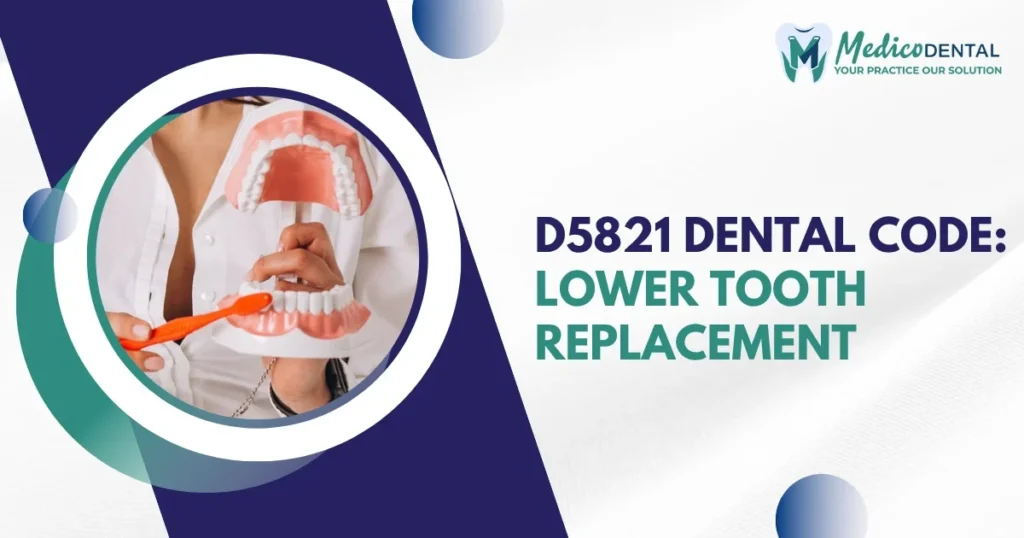
The D5821 dental code refers to the billing code used for a temporary lower partial denture that is placed in the mandibular (lower) arch to replace missing teeth. This interim solution includes all the necessary components such as retentive materials, rests, and teeth to provide a functional and aesthetically pleasing result. It is typically used when a more permanent replacement, such as a fixed partial denture or implant, is being planned but not yet ready to be installed.
Importance of Temporary Partial Dentures
Temporary partial dentures are crucial in restoring both the functionality and appearance of a patient’s smile while they await more permanent restorative options. They help maintain normal eating, speaking, and smiling capabilities. Additionally, these dentures prevent the shifting of neighboring teeth, which could cause alignment issues and further complications down the road. The D5821 dental code plays a significant role in providing immediate relief and a seamless transition to a long term solution.
What is the D5821 Dental Code?
Definition and Purpose
The D5821 dental code represents a temporary partial denture for the lower jaw (mandibular arch). This appliance serves as a transitional solution, filling the gaps created by missing teeth until a more permanent restoration can be made. The D5821 code is used when the patient needs a functional tooth replacement that is both comfortable and aesthetically pleasing but does not yet require a permanent solution.
Components Included in D5821 (Retentive Materials, Rests, and Teeth)
A D5821 interim partial denture includes several key components:
- Retentive Clasping Materials: These are designed to secure the denture in place and provide retention, ensuring that it stays comfortably in the mouth.
- Rests: These are the support structures that rest on the remaining natural teeth, distributing the pressure and preventing damage.
- Teeth: Artificial teeth are included to fill the gaps left by the missing teeth, restoring the patient’s ability to chew and speak properly.
Each of these components works together to create a functional and temporary solution until a more permanent dental restoration can be completed.
When is the D5821 Code Used?
Indications for Interim Partial Dentures
The D5821 dental code is typically used in the following situations:
- Temporary Replacement of Missing Teeth: When one or more teeth are missing in the lower jaw, but the patient is not yet ready for a permanent solution like a bridge or implant.
- Pre Surgical Restorations: In some cases, a temporary denture is required while waiting for a more complex procedure such as a dental implant or full arch restoration.
- Preventing Teeth Shifting: Using a temporary partial denture prevents the remaining teeth from shifting into the empty spaces, which can affect bite and alignment.
Common Scenarios for Lower Arch Replacement
Here are some scenarios where the D5821 dental coding may be used:
- Tooth Loss Due to Trauma or Decay: If a patient loses one or more teeth in the lower arch due to injury, decay, or other issues, the D5821 code can help temporarily fill in the gap.
- After a Tooth Extraction: When a tooth extraction is performed and the patient is not ready for a permanent solution, a D5821 denture can be used for a smooth transition.
- Aesthetic and Functional Needs: Some patients may seek temporary dentures if they require a cosmetic improvement or if their teeth are no longer functional but a more permanent solution is in progress.
The Process of Getting a D5821 Interim Partial Denture
Consultation and Evaluation
The first step in getting a D5821 interim partial denture is a consultation with your dentist. During this visit, your dentist will evaluate your oral health, discuss your needs, and determine if the D5821 denture is the right option. Your dentist will take impressions of your mouth, assess the number of missing teeth, and create a treatment plan tailored to your specific situation.
Fabrication and Fitting of the Temporary Denture
Once your dentist has all the necessary information, they will order the temporary partial denture. The denture will be custom made to fit your mouth and fill in the gaps where teeth are missing. The denture may take a few weeks to be fabricated, during which time your dentist may provide temporary solutions to help with eating and speaking.
Once the denture is ready, your dentist will schedule a fitting appointment. During this visit, they will make sure the denture fits comfortably and securely, making any necessary adjustments to ensure proper fit and function.
Follow up Care
After the D5821 denture is placed, follow up care is essential. Your dentist will schedule follow up visits to ensure that the denture is functioning well, the fit is comfortable, and that there are no issues with your remaining teeth. Adjustments may be needed as your mouth and gums adapt to the new appliance. Proper oral hygiene is also critical, as it helps to prevent gum disease and keep the denture in good condition.
Differences Between D5821 and D5820
Comparison of Mandibular vs. Maxillary Interim Dentures
While both the D5821 and D5820 codes refer to partial dentures, they are used for different arches:
- D5821 (Mandibular): This code is used for interim partial dentures in the lower jaw. It is designed to fit the unique structure of the mandible (lower arch) and provides support and function for the teeth in this area.
- D5820 (Maxillary): The D5820 code, on the other hand, applies to interim partial dentures for the upper jaw (maxillary arch). Although the purpose is similar, the design of the denture will differ to accommodate the shape and structure of the upper teeth.
Both dentures serve the same purpose of providing a temporary solution for missing teeth, but they are tailored for the specific needs of the upper or lower jaw.
Benefits of Using the D5821 Code for Lower Arch Replacement
Temporary Solution for Missing Teeth
Losing teeth, especially in the lower jaw, can be both a functional and emotional challenge. Whether it’s due to trauma, decay, or age, the gap left behind can affect your confidence and ability to eat or speak. The D5821 code provides a temporary solution that allows you to restore function and aesthetics while you prepare for a more permanent solution, like implants or bridges.
Unlike going without a tooth for weeks or months, a temporary partial denture helps fill that gap, providing instant relief. You’ll regain your ability to speak clearly, chew comfortably, and feel confident again while your permanent restoration is in progress.
It’s important to note that this solution isn’t just about appearance it’s about keeping your mouth healthy by preventing the remaining teeth from shifting. Shifting teeth can lead to misalignment, which might complicate future dental procedures, and a temporary denture like the D5821 helps prevent that.
Comfort and Functionality Before Permanent Restoration
One of the biggest concerns when losing a tooth is how it will impact comfort and daily activities. The D5821 interim partial denture is designed not only for aesthetic appeal but also for comfort and functionality. This denture is custom made to fit your mouth, ensuring that it doesn’t feel bulky or uncomfortable.
Comfort: The D5821 is designed with materials that rest comfortably against your gums and remaining teeth, without causing irritation. The retentive clasping materials and rests make sure the denture stays securely in place while you eat and speak.
Functionality: When you’re missing teeth, everyday tasks like chewing, smiling, and speaking can become difficult. With the D5821 denture, you can perform these tasks with ease, as it’s designed to mimic the natural function of your teeth until your permanent restoration is ready.
This ensures that, while you’re waiting for a more permanent solution, you’re able to go about your life without feeling limited.
Alternative Treatment Options
While the D5821 is an excellent solution for many, it’s important to understand the alternative options for replacing missing lower teeth. Here’s a breakdown of some other common treatments:
Permanent Dentures vs Interim Solutions
- Permanent Dentures: These are more durable and stable but require more extensive preparation. They are made to be a long term solution and are typically fixed in place. However, they require a solid foundation (like healthy gums and bone) to support them, and the process can take several months.
- Interim Dentures (D5821): These offer a quick, temporary solution, providing comfort and function while you wait for your permanent dentures. They are typically less expensive and less invasive, making them ideal for people who need a short term solution during the transition period.
- Considerations: If you’re unsure whether a permanent or interim solution is right for you, a dentist can help you evaluate your needs based on your oral health, budget, and timeline for a permanent restoration.
Other Types of Partial Dentures
While the D5821 interim denture is a great option, there are other types of partial dentures that might be suitable depending on your circumstances:
- Flexible Partial Dentures: Made from a flexible, nylon material, these dentures are often lighter and more comfortable than traditional options. They’re a good choice for people with a tight budget or those looking for short term solutions.
- Cast Metal Partial Dentures: These are more durable and often provide a better fit, but they’re typically used for more permanent solutions. They include a metal framework for added strength and stability.
- Resin Partial Dentures: These are often used as temporary solutions, like the D5821, but they are usually less durable than flexible or cast metal dentures. They offer a lower cost alternative but might not last as long.
When considering alternatives, it’s crucial to discuss options with your dentist to find the best fit for your situation.
Conclusion
The D5821 dental code plays a crucial role in dental care, especially for patients who need a temporary solution for missing teeth in the lower jaw. This interim partial denture allows for a quick and comfortable restoration, helping to prevent dental complications, improve functionality, and enhance appearance while waiting for a more permanent solution.
Its ability to provide comfort, stability, and support for the lower arch makes it an essential part of the process for patients who are planning for long term dental restoration but need something to help them in the meantime.
The D5821 is essential for several reasons:
- It’s a temporary solution that gives immediate relief while preserving oral health.
- It helps restore daily function like eating and speaking, which can otherwise be challenging when missing teeth.
- It prevents shifting of surrounding teeth, which is vital for long term dental health and stability.
Whether you’re waiting for implants, a bridge, or another permanent restoration, the D5821 denture keeps your mouth healthy, comfortable, and functional.
FAQs
How long do I need to wear the D5821 interim denture?
Ans. Typically, interim dentures like the D5821 are meant to be worn for several months until a permanent solution is ready. Your dentist will guide you on when to transition to a permanent restoration.
Is the D5821 denture painful?
Ans. No, the D5821 denture is designed for comfort. However, as with any new dental appliance, some initial discomfort or adjustment may occur. Follow up appointments with your dentist can help fine tune the fit.
How do I care for my D5821 interim denture?
Ans. Care for your temporary denture by brushing it daily and soaking it overnight in a denture cleaner. Your dentist will provide specific care instructions to ensure the longevity and cleanliness of the appliance.
Can I eat normally with a D5821 denture?
Ans. While it may take some time to adjust, most people can resume normal eating with a D5821 denture. Start with softer foods and gradually return to a regular diet.
How much does the D5821 code cost?
Ans. The cost of the D5821 interim partial denture varies depending on factors like location, materials, and the complexity of your case. Discuss pricing with your dentist before proceeding.