The D2949 dental code is an important part of dental billing and treatment coding, used specifically for restorative procedures. Understanding this code is vital for both dental professionals and patients, as it helps streamline the process of filing insurance claims and ensuring proper treatment is provided. By familiarizing oneself with the D2949 code, individuals can navigate the complexities of dental care with greater clarity.
What is the D2949 Dental Code?
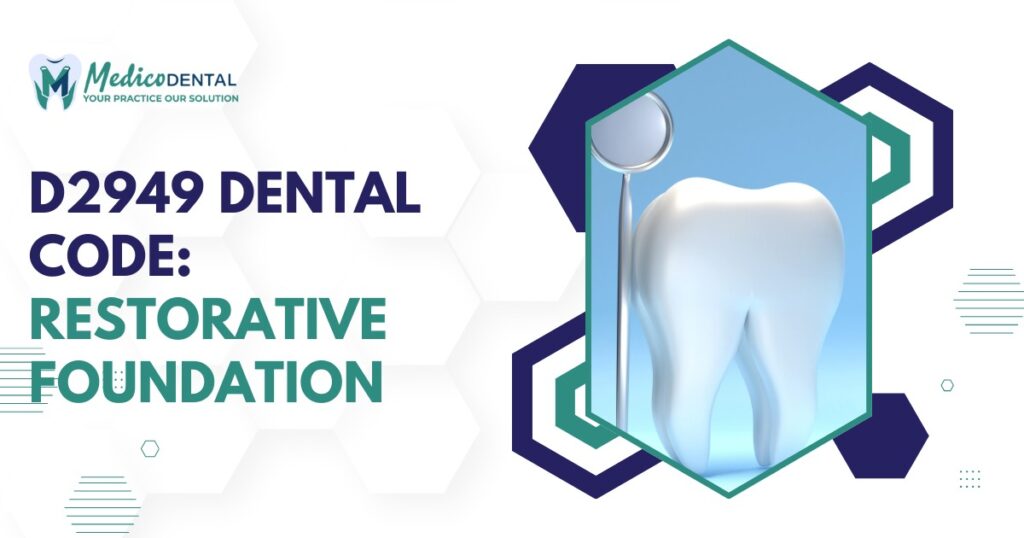
The D2949 code refers to a specific dental procedure within the Current Dental Terminology (CDT) system, which is used by dental professionals to classify and describe procedures for billing and insurance purposes. Specifically, D2949 is used for “Restorative Foundation” or “Restorative Foundation Procedure.” This refers to a dental treatment designed to provide a foundation for subsequent restorations, typically in cases where a tooth is severely decayed or weakened. The treatment involves preparing the tooth by cleaning and shaping it to ensure that future fillings or crowns adhere securely.
Importance of Understanding the D2949 Dental Code
Understanding the D2949 code is crucial for several reasons. For dental professionals, it ensures accurate and efficient billing, helping to avoid issues with insurance claims or reimbursement. For patients, it provides clarity about the treatments being performed, especially when there are concerns about insurance coverage or out of pocket expenses. Additionally, correctly identifying and using this code helps ensure that patients receive the appropriate treatment for their specific dental needs, improving the quality of care provided.
Overview of Restorative Foundation in Dentistry
What is a Restorative Foundation?
A restorative foundation in dentistry refers to the preparatory work done on a tooth to make it suitable for a larger restorative procedure, such as a filling, crown, or bridge. This process involves cleaning out decayed tissue, removing any compromised areas, and reshaping the tooth structure. The foundation helps create a stable and healthy base for further restorations to be placed, which improves the longevity and function of the treated tooth.
The Role of a Restorative Foundation in Dental Care
The role of a restorative foundation is critical in ensuring that the final restoration (such as a crown or large filling) has a strong, stable surface to bond with. Without this foundational step, the tooth may be too weak or unstable to support further restorative procedures. This process also helps to prevent future decay and wear, preserving the tooth’s health and functionality for an extended period. In essence, it acts as a “building block” for more complex dental treatments.
The D2949 Code Explained
What Does D2949 Cover?
The D2949 code specifically covers the restorative foundation procedure. It is applied when a dental professional determines that the tooth requires preparation before proceeding with a filling, crown, or other restorative treatment. This might involve removing damaged or decayed portions of the tooth, shaping the remaining structure, and sometimes reinforcing the tooth with materials to ensure that the future restoration stays in place. The code doesn’t cover the final restoration itself but rather the work done to get the tooth ready for that step.
When is D2949 Used in Dental Procedures?
The D2949 code is used when a tooth is deemed in need of preparation before receiving a more extensive restorative procedure. This can occur in cases of deep cavities, significant tooth decay, or after a root canal treatment. A dentist would use this code when performing a procedure aimed at stabilizing and preparing the tooth for a final filling or crown. It’s typically used when there is insufficient healthy tooth structure left to hold a filling or other restoration without the foundational preparation.
D2949 and Insurance Coverage
Does Insurance Cover D2949?
Insurance coverage for D2949 can vary depending on the plan and the specific dental insurance provider. However, in general, many dental insurance plans will cover restorative foundation procedures, particularly if they are deemed medically necessary for the success of a subsequent restoration, such as a crown or filling. It’s important to check with the insurance provider before treatment to understand the coverage details, as some plans may limit the number of restorative procedures they cover or require pre authorization.
Common Insurance Considerations for D2949
When it comes to insurance coverage for D2949, several factors should be considered. Insurance companies may have specific criteria for approving the use of this code, and some may require detailed documentation from the dentist explaining why the procedure is necessary. Additionally, insurance may only cover the procedure if it is part of a larger treatment plan, such as preparing a tooth for a crown or large filling. It’s also common for insurance policies to have waiting periods or exclusions for certain types of restorative work, so it’s important to verify the specifics before proceeding with treatment.
Benefits of D2949 Restorative Foundation
Enhancing the Durability of Restorations
The D2949 restorative foundation procedure plays a critical role in enhancing the durability and longevity of dental restorations. By providing a solid base for subsequent treatments like crowns, fillings, or onlays, this procedure ensures that the restoration is better supported, minimizing the risk of failure or dislodgement. A strong and well prepared foundation helps prevent issues such as cracking or loosening over time, allowing the restoration to withstand the everyday forces of chewing, biting, and grinding. As a result, patients benefit from longer lasting dental work, reducing the need for frequent repairs or replacements.
Improved Tooth Function and Aesthetics
Beyond durability, a properly executed restorative foundation improves both the function and aesthetics of a patient’s tooth. By removing decayed or compromised tissue and reshaping the tooth, this procedure helps restore the tooth’s natural form and function. Patients experience better chewing efficiency, less discomfort, and improved overall oral health. Furthermore, with a well prepared tooth, the final restoration (such as a crown or filling) fits more securely and comfortably, which enhances the appearance of the tooth. In aesthetic areas of the mouth, such as the front teeth, this is especially important for creating a seamless and natural looking restoration that blends with the surrounding teeth.
D2949 vs Other Restorative Codes
How Does D2949 Compare to Other Codes?
The D2949 code is part of a broader range of dental codes used for restorative procedures. It stands out because it is specifically intended for foundational work, preparing a tooth for further restoration. Compared to other restorative codes, such as D2750 (crown porcelain/ceramic) or D2140 (amalgam restoration, one surface), D2949 focuses on the preparatory stage, which is essential when a tooth is severely damaged or weakened. It is not the final restoration but a crucial step in ensuring the longevity and effectiveness of more advanced procedures.
While D2949 specifically addresses the restorative foundation, other codes, such as D2950 (core buildup) or D2330 (resin based composite filling), deal with more direct forms of restoration or material application. D2949 is primarily about stabilizing the tooth structure to support the later use of these materials.
Key Differences Between D2949 and Similar Codes
One of the primary differences between D2949 and other restorative codes is its focus on preparation rather than the final restoration itself. For instance, D2949 is used when a tooth needs to be prepared for a larger restoration like a crown or a large filling, which is not covered by the D2949 code. In contrast, codes like D2750 (crown) and D2330 (resin fillings) focus on the final restoration applied after the foundational work. D2949 doesn’t address cosmetic changes directly but prepares the tooth so that further treatments can be applied effectively. Additionally, D2949 is more about functional restoration to protect the tooth’s integrity, whereas other codes may focus more on aesthetic outcomes.
How to Use D2949 in Your Practice
Best Practices for Implementing D2949
Implementing the D2949 code in your practice requires accurate documentation and a clear understanding of when it should be used. Best practices include thoroughly assessing the condition of the tooth and determining whether the patient would benefit from foundational restorative work before proceeding with more complex procedures. Properly documenting the patient’s dental history, the condition of the tooth, and the need for restorative foundation will make the billing process smoother and ensure that the patient receives the correct treatment. Additionally, clear communication with patients about why this preparatory procedure is necessary and how it benefits the longevity of their treatment will help set expectations and build trust.
It’s also essential to stay current with insurance provider requirements, as some may have specific guidelines or limitations regarding the use of restorative foundation codes. Establishing clear protocols for when to apply the D2949 code and ensuring consistency in its use across similar cases will help avoid mistakes in billing and enhance the overall efficiency of your practice.
Common Challenges and Solutions
One common challenge when using the D2949 code is ensuring proper insurance reimbursement. Some insurance providers may require extensive documentation or pre authorization for the procedure, making the claims process more time consuming. To address this, it’s important to maintain detailed records of the patient’s treatment plan and provide clear evidence that the restorative foundation is necessary for the success of future restorations.
Another challenge may arise when patients are not fully aware of why the procedure is being performed, leading to potential confusion or resistance. Overcoming this challenge involves educating patients about the importance of the restorative foundation in ensuring the longevity and functionality of their dental work. Clear explanations and visual aids can help patients understand how this preparatory work plays a vital role in their overall oral health.
Conclusion
The D2949 dental code represents an essential aspect of restorative dentistry, focusing on the preparatory foundation necessary for successful future restorations. By addressing issues such as tooth decay, structural weakness, or previous damage, D2949 ensures that patients receive treatments that are not only functional but durable. This code helps create a solid base for subsequent restorations, making it a vital part of preserving tooth integrity and improving overall oral health.
In conclusion, understanding and properly applying the D2949 code is integral to providing high quality restorative care. It bridges the gap between basic dental care and more complex restorative procedures, ensuring that patients’ teeth are well prepared for longevity and better performance. Whether you’re a dental professional or a patient navigating the world of dental procedures and insurance, knowing when and why D2949 is used can improve both the outcome of the treatment and the efficiency of the process. By mastering this code, dental practices can enhance their services, reduce insurance claim issues, and ultimately provide better care to their patients.
FAQs
What is the D2949 dental code used for?
Ans. The D2949 code is used for a restorative foundation procedure to prepare a tooth for future restorations like crowns or fillings.
Does D2949 cover the final restoration?
Ans. No, D2949 only covers the preparatory work, not the final restoration such as a filling or crown.
Is the D2949 procedure covered by insurance?
Ans. Insurance coverage for D2949 varies by provider, but many plans do cover it when deemed medically necessary.
When is D2949 needed in dental treatment?
Ans. D2949 is used when a tooth is severely decayed or compromised and requires preparation for a larger restoration.
How does D2949 differ from other restorative codes?
Ans. D2949 focuses on preparing the tooth for restoration, whereas other codes cover the final placement of fillings, crowns, or other materials.