When patients review their dental bill or insurance explanation of benefits, they often feel confused by procedure codes. One such code that frequently raises questions is the D2390 Dental Code. If you recently noticed this code on your treatment plan or invoice, you are likely wondering what it means, why your dentist used it, and how it affects your insurance coverage.
The D2390 Dental Code is associated with composite restorative procedures. In many cases, it refers to a composite-based restoration placed on a tooth to restore function and appearance. Patients searching for this term usually want clarity about the procedure, cost implications, insurance coverage, and whether it was truly necessary. Understanding this code empowers you to make informed decisions about your dental health and financial planning.
What Are Composite Crowns?
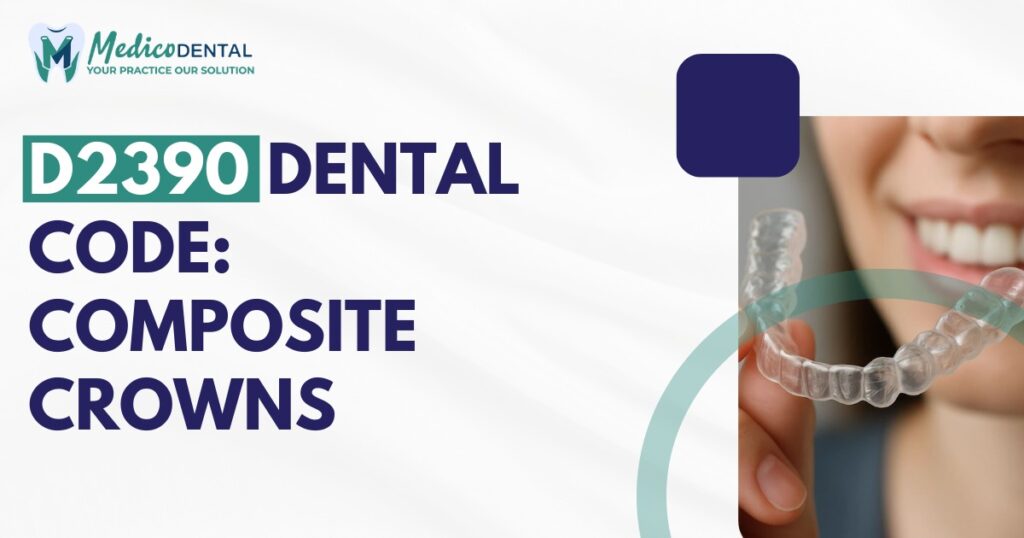
Composite crowns are tooth-colored restorations made from resin-based composite material. Unlike traditional porcelain or metal crowns that are fabricated in a dental lab, composite restorations are often completed directly in the dental office. They are designed to restore damaged, decayed, or fractured teeth while maintaining a natural appearance.
When the D2390 Dental Code is used in relation to composite crowns, it generally indicates that a composite restorative procedure was performed to rebuild the structure of a tooth. Composite materials are popular because they bond directly to the tooth, require less removal of healthy enamel, and blend seamlessly with natural tooth color.
Patients often prefer composite options because they are more affordable than porcelain or ceramic alternatives and can often be completed in a single visit.
Why Your Dentist Used the D2390 Dental Code
If your dentist applied the D2390 Dental Code to your treatment, it typically means your tooth required restorative work involving composite material. This may have been necessary due to dental decay, a cracked tooth, old failing restorations, or structural damage.
Dentists choose composite restorations when preserving natural tooth structure is a priority. The bonding process allows the material to adhere directly to enamel and dentin, creating a durable seal that helps prevent further decay. For front teeth or visible areas, composite restorations are especially beneficial because they closely match natural tooth shade.
From a patient perspective, the key concern is often whether the treatment was essential. In most cases, restorative procedures coded under D2390 are recommended to prevent worsening damage, pain, infection, or the need for more extensive procedures like root canals or full-coverage crowns later.
The Procedure Behind the D2390 Dental Code
Understanding what happens during the procedure can ease anxiety. When a dentist performs a composite restoration associated with the D2390 Dental Code, the process usually begins with numbing the affected area. The dentist removes decay or damaged portions of the tooth and prepares the surface for bonding.
Next, a conditioning agent is applied to help the composite material adhere securely. The dentist then places the composite resin in layers, shaping and sculpting it to restore the natural anatomy of the tooth. Each layer is hardened using a special curing light. Finally, the restoration is polished to ensure a smooth finish and proper bite alignment.
The entire procedure is typically completed in one appointment, making it convenient for patients with busy schedules.
Insurance Coverage and Cost Considerations
One of the most common reasons patients search for information about the D2390 Dental Code is to understand cost and insurance implications. Dental insurance plans categorize procedures into preventive, basic, and major services. Composite restorations generally fall into the basic services category, although coverage percentages vary by plan.
Insurance may cover a portion of the procedure, often between 50 to 80 percent, depending on your policy and annual maximum. However, some plans differentiate between posterior and anterior restorations, or they may reimburse based on amalgam rates rather than composite rates.
If you received a bill with the D2390 Dental Code, it is advisable to review your explanation of benefits carefully. You can also ask your dental office for a pre-treatment estimate before future procedures to avoid unexpected expenses.
Benefits of Composite Crowns
Composite restorations offer several advantages that make them a preferred option for many patients. A major benefit is aesthetics. Because the material is tooth-colored, it provides a natural look that blends with surrounding teeth. This is especially important for patients concerned about their smile appearance.
Another benefit is conservative tooth preparation. Composite bonding requires less removal of healthy enamel compared to traditional crowns. This helps preserve long-term tooth integrity.
Additionally, composite materials bond directly to the tooth structure, providing reinforcement and reducing the risk of fracture when properly maintained. For patients seeking a cost-effective and minimally invasive solution, procedures billed under the D2390 Dental Code can be a practical choice.
Potential Limitations to Consider
While composite restorations are versatile, they are not ideal for every situation. They may not be as durable as porcelain crowns in cases involving severe structural damage or heavy bite pressure. Over time, composite materials can stain or wear down, particularly if a patient consumes staining foods or beverages frequently.
In cases where a tooth has extensive decay or cracking, a full-coverage porcelain or ceramic crown may offer better long-term strength. Your dentist evaluates multiple factors before deciding whether a composite restoration coded under D2390 is appropriate.
Understanding these limitations helps patients have realistic expectations about longevity and maintenance.
How Long Do Composite Restorations Last?
The lifespan of a composite restoration depends on oral hygiene habits, bite forces, diet, and regular dental visits. On average, composite restorations can last between five to ten years, and sometimes longer with proper care.
Regular brushing, flossing, and professional cleanings help maintain the integrity of the restoration. Avoiding habits like teeth grinding or chewing hard objects can also extend its lifespan. If wear or minor damage occurs, composite materials can often be repaired without replacing the entire restoration.
Patients who maintain routine dental checkups can detect early signs of wear and address them before complications arise.
Patient-Focused Advice Before and After Treatment
If you are scheduled for a procedure involving the D2390 Dental Code, ask your dentist to explain why composite material was selected instead of other restorative options. Understanding the reasoning builds trust and clarity.
After treatment, you may experience mild sensitivity for a few days, especially to temperature changes. This typically resolves on its own. If sensitivity persists or worsens, contact your dental provider for evaluation.
Maintaining consistent oral hygiene and avoiding excessive pressure on the treated tooth are essential steps in protecting your investment.
When to Discuss Alternative Options
There are situations where patients may wish to explore alternative restorative treatments. If you have a history of heavy grinding, large fractures, or significant structural compromise, discussing porcelain crowns or other restorative materials may be beneficial.
Open communication with your dentist ensures that treatment aligns with both your clinical needs and financial comfort. Asking questions about durability, cost comparisons, and long-term outcomes can help you feel confident in your decision.
Final Thoughts
The D2390 Dental Code represents a restorative procedure involving composite material designed to repair and strengthen a damaged tooth while maintaining natural appearance. For many patients, it offers an effective, conservative, and aesthetically pleasing solution.
If you encountered the D2390 Dental Code on your dental billing, it likely reflects a necessary restorative treatment aimed at preventing further complications. Understanding the procedure, insurance coverage, benefits, and limitations helps you make informed decisions about your oral health.
Being proactive, asking questions, and maintaining regular dental visits will ensure that any restoration performed under the D2390 Dental Code continues to protect your smile for years to come.