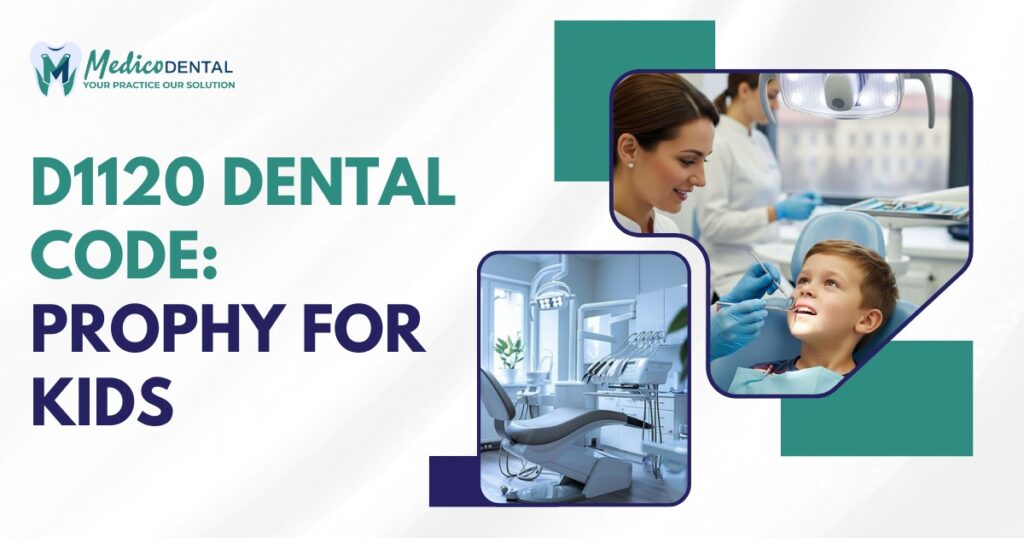
The dental care of children requires a unique approach, with a strong emphasis on preventative care to establish good oral hygiene habits early on. Among the various dental codes used by practitioners, the D1120 dental code plays a pivotal role in pediatric dentistry, specifically in providing prophylactic care for young patients. This guide will delve into the D1120 dental code, its importance, the procedure involved, and how it impacts both the dental practice and the patient.
What is the D1120 Dental Code?
The D1120 dental code is used in the context of pediatric prophylaxis, meaning it refers to a routine cleaning and preventative treatment for children. Specifically, the D1120 code is associated with the procedure for cleaning the teeth of children under the age of 14. This procedure, also known as a prophylaxis appointment, helps prevent the development of cavities, gum disease, and other dental issues. The code is used when a child receives basic cleaning services that focus on maintaining oral health and preventing future problems.
Why the D1120 Dental Code is Important for Pediatric Dentistry
The D1120 code is essential for pediatric dentistry as it supports the foundation of good oral health in children. Pediatric dental care is unique because it combines the need for early intervention with the requirement to educate both children and their caregivers about the importance of oral hygiene. Preventative dental procedures, like those represented by the D1120 code, help catch potential issues early, saving time, effort, and costs in the future by avoiding more complex treatments down the road.
Overview of Pediatric Dentistry and Preventative Care
Pediatric dentistry focuses on the dental care of children from infancy through their teenage years. It aims not only to treat dental issues as they arise but also to educate and implement preventative measures to ensure lifelong oral health. Preventative care is a cornerstone of pediatric dentistry, as it helps children avoid painful dental problems and expensive treatments as they grow older. Regular check-ups, fluoride treatments, cleanings, and sealants are some of the most common preventative measures that pediatric dentists use.
The Role of Preventative Care in Children’s Oral Health
Preventative care in pediatric dentistry is designed to mitigate the risks of dental diseases before they occur. It includes services such as routine cleanings, fluoride treatments, dental sealants, and the education of children and their parents about proper brushing and flossing techniques. By implementing these practices at an early age, children are more likely to develop strong, healthy teeth that can last a lifetime.
Common Dental Procedures for Kids
In pediatric dentistry, common procedures include:
-
Routine Cleanings (D1120): These are part of preventative care and ensure that teeth are free from plaque and tartar.
-
Fluoride Treatments: Fluoride helps strengthen enamel and prevent cavities.
-
Dental Sealants: Thin coatings applied to the chewing surfaces of back teeth to prevent decay.
-
Fillings: If a cavity has already developed, fillings are used to restore the tooth.
-
Exams: Regular check-ups to monitor the development of the child’s teeth and identify potential issues early.
How Preventative Care Can Save Costs in the Long Run
Investing in preventative dental care for children can save money in the long run by avoiding costly procedures like fillings, root canals, and extractions. Early detection and regular cleaning can significantly reduce the risk of cavities and gum disease, which would otherwise require more expensive and time-consuming interventions.
Understanding the D1120 Dental Code
What Does D1120 Stand For in Dental Coding?
The D1120 dental code represents “Prophylaxis, Primary, Child”, which is a procedure to clean the teeth of children. It is part of the American Dental Association’s (ADA) coding system used to identify and classify dental procedures. The code specifically pertains to prophylaxis (prevention) for children under the age of 14.
Key Characteristics of D1120: Prophy for Kids
-
Age Range: The D1120 code is used for children aged 0-13. After the age of 14, the procedure is typically coded as D1110 (Prophylaxis, Adult).
-
Procedure Focus: The procedure focuses on the removal of plaque, tartar, and stains from the teeth to prevent future dental issues such as cavities and gum disease.
-
Routine Care: It is a standard part of routine care and is typically performed once every six months.
Why D1120 is Essential for Pediatric Prophylaxis
The D1120 code ensures that children receive routine cleanings, helping to prevent tooth decay and gum disease. Prophylaxis at an early age is vital for the development of good oral hygiene habits. By catching dental problems early and ensuring the teeth are clean, the D1120 code helps establish a foundation for long-term oral health.
The Process of Prophylaxis for Kids (D1120 Procedure)
What Happens During a Prophylaxis Appointment for Children?
A pediatric prophylaxis appointment typically involves a few steps to ensure the child’s teeth are clean and healthy. These steps include an initial examination, the actual cleaning process, and a fluoride treatment to protect the teeth.
Step-by-Step Breakdown of the D1120 Procedure
-
Initial Examination and Cleaning: The dentist will first examine the child’s mouth, looking for any signs of cavities, gum disease, or other issues. This includes checking the teeth for decay and ensuring that the gums are healthy.
-
Scaling and Polishing: The dentist or hygienist will use special instruments to remove plaque and tartar from the teeth. This helps prevent the development of cavities and gum disease. After scaling, the teeth are polished to smooth out any rough spots where plaque may accumulate.
-
Fluoride Treatment: Fluoride is applied to the teeth to help strengthen the enamel and prevent cavities. Fluoride is a critical component of pediatric care, as it helps protect developing teeth from decay.
How D1120 Differs from Adult Prophylaxis (D1110)
While the D1120 code is used for children, the D1110 code refers to prophylaxis for adults. The main difference between the two procedures is that the D1120 procedure is tailored for the dental needs of children, which may include the management of developing teeth, growth, and potential cavity prevention techniques that are different from those used in adult care.
Who Is Eligible for the D1120 Dental Code?
Age Requirements for D1120
The D1120 code is specifically for children under the age of 14. Once a child turns 14, the procedure would typically be coded as D1110, which refers to adult prophylaxis.
When to Use D1120 vs. Other Dental Codes for Children
The D1120 code is used for routine cleanings. However, if the child requires more extensive treatments like fillings, sealants, or other restorative procedures, different codes will be used. For example:
- D1206: Application of fluoride varnish
- D1351: Sealant on permanent molars
How to Identify Children Who Need Prophy
A child who has had no prior dental issues, such as cavities or gum disease, typically requires a prophylaxis appointment. Regular check-ups will allow the dentist to determine when a prophylaxis treatment is necessary.
The Importance of Accurate Documentation for D1120
Why Proper Documentation is Crucial for D1120
Accurate documentation is vital for dental practices, as it ensures that all procedures are properly recorded for both clinical and insurance purposes. Proper coding and documentation will help prevent issues with reimbursement and ensure that the correct treatment is provided. It also ensures that the child’s dental history is tracked for future visits.
Key Points to Include in D1120 Documentation
- Date of the procedure
- Detailed description of the services provided
- Any issues found during the exam
- Fluoride treatment and sealant applications, if performed
- Avoiding Common Documentation Mistakes for D1120
Common documentation mistakes include missing key details such as fluoride application or incorrect codes for related treatments. It’s crucial to verify that the D1120 code is applied accurately and that all aspects of the procedure are documented.
Insurance and Reimbursement for D1120 Dental Code
How D1120 Affects Dental Insurance Coverage
The D1120 code is often covered by most dental insurance plans, but coverage may vary depending on the provider and the specifics of the child’s plan. Some insurance policies may limit the number of prophylaxis treatments covered per year, so it’s important to verify the benefits before scheduling.
Understanding Reimbursement Rates for D1120 Prophy
Reimbursement rates for the D1120 code can vary based on the insurance plan, geographic location, and the dental office’s contract with insurance providers. It’s essential for dental practices to stay updated on reimbursement rates and adjust their billing practices accordingly.
Common Insurance Issues with the D1120 Code
-
Frequency Limits: Some plans may limit coverage to one prophylaxis treatment per year.
-
Eligibility Criteria: Some insurers may require specific age criteria or diagnostic evidence before covering the treatment.
-
Co-pays and Deductibles: Families may be responsible for co-pays or deductibles, depending on their insurance plan.
Tips for Maximizing Reimbursement for D1120
To maximize reimbursement for the D1120 code, dental practices should:
- Ensure proper documentation of all treatments and services.
- Verify insurance benefits ahead of time.
- Stay updated on changes in insurance policies.
Comparing D1120 with Other Pediatric Dental Codes
When working with pediatric patients, there are a variety of codes used for prophylaxis and other preventive dental services. The D1120 code stands for Pediatric Prophylaxis (routine cleanings for children under 14). However, there are several other codes often used in pediatric dental care, including:
- D1110 (Prophylaxis – Adult) This code is for routine cleaning for adults 14 and older. It is generally used for procedures that are similar to D1120, but for adults.
- D1351 (Sealant – per tooth) This code is used for the application of a dental sealant on a child’s tooth to prevent cavities, but it is not used for routine cleanings.
- D1206 (Topical application of fluoride – varnish) This code is for the topical fluoride application to help prevent decay in pediatric patients, often used alongside prophylaxis.
- D1208 (Topical application of fluoride – excluding varnish) Similar to D1206 but used for other forms of fluoride treatment.
Key Differences:
-
Age: D1120 is specifically for children under the age of 14, while D1110 applies to adults. Other codes like D1351 or D1206 are supplementary treatments that may be applied during a pediatric visit.
-
Procedure Type: D1120 involves cleaning the teeth by removing plaque and tartar, while D1206 and D1208 are treatments that aim to prevent cavities.
When to Use D1120 vs. D1206 or D1208
As a dental professional, it’s important to distinguish when to use D1120 and when to opt for D1206 or D1208.
-
D1120 should be used when performing a routine prophylaxis (cleaning) on a child’s teeth, typically including scaling and polishing of the teeth.
-
D1206 (fluoride varnish) or D1208 (fluoride treatment) is not a cleaning procedure but should be used in conjunction with prophylaxis. Fluoride treatments provide extra protection against cavities after the cleaning process.
In short: Use D1120 for the actual cleaning procedure and D1206/D1208 for post-cleaning fluoride treatments.
Understanding the Differences in Procedure and Billing
Proper billing for pediatric procedures can be complex. For D1120, understanding what the procedure involves and how to document it accurately is key to ensuring correct reimbursement.
-
Procedure Involved: D1120 involves cleaning and prophylaxis for a child. It includes scaling to remove plaque and tartar above the gum line, polishing the teeth, and educating the child (and parents) about good oral hygiene.
-
Billing for D1120: When billing for D1120, ensure that the procedure is documented clearly in the patient’s records. If fluoride treatments are provided afterward, bill D1206 or D1208 separately.
Always verify that the patient is under the correct age threshold (under 14) and that the procedure aligns with preventive care, as insurance companies typically have strict guidelines about what they will cover.
Best Practices for Dental Professionals Using the D1120 Code
For dental professionals, using the D1120 code effectively requires knowledge of both clinical procedures and insurance requirements. Here are some tips to ensure accurate use of the code:
-
Documentation: Always document the procedure thoroughly, including the steps taken (scaling, polishing) and any additional treatments like fluoride applications.
-
Eligibility Verification: Double-check the child’s age, as D1120 applies only to children under 14. Also, confirm insurance requirements for prophylaxis coverage.
-
Patient Education: Take time to educate parents and caregivers about the importance of routine cleanings for maintaining their child’s oral health.
-
Insurance Requirements: Be aware of the insurance rules around the frequency of D1120 claims. Some insurers may limit the number of cleanings per year.
How to Ensure Compliance with D1120 Billing
Maintaining compliance with D1120 billing is essential for avoiding rejected claims and potential audits. Here’s how dental professionals can ensure they are compliant:
-
Accurate Coding: Make sure the code is used only for the proper procedure. Avoid using D1120 for treatments not related to pediatric prophylaxis.
-
Frequency Limitations: Understand the frequency with which D1120 can be billed. Some insurance plans may allow one prophylaxis per year, while others may allow more frequent visits depending on the child’s health and age.
-
Proper Modifier Usage: If a child has special needs or other unique circumstances, use modifiers (if applicable) to indicate those special conditions.
-
Verify Insurance Policies: Every insurance plan has its own set of guidelines, so it’s essential to understand these before filing for reimbursement.
Common Mistakes to Avoid When Billing D1120
When billing for the D1120 code, there are a few common mistakes dental professionals should avoid:
-
Incorrect Age: Ensure the child is under the age of 14. Billing D1120 for a teenager over 14 could result in claim rejection.
-
Not Using Proper Modifiers: Some children may have special health considerations or conditions. Failing to include modifiers can lead to billing issues.
-
Overlooking Frequency Limits: Make sure not to exceed the maximum number of prophylaxis treatments that insurance allows per year.
-
Failing to Document the Procedure: Thorough documentation is crucial to justify the procedure and prevent insurance disputes.
Training for Dental Staff on Pediatric Prophylaxis Coding
Dental staff should receive adequate training on pediatric prophylaxis coding to avoid errors in billing and ensure that all procedures are properly documented and coded. This training should include:
-
Code Familiarity: Teach the differences between codes like D1120, D1110, and D1351, and when each is applicable.
-
Insurance Navigation: Educate staff on how to navigate insurance requirements, including eligibility, coverage limitations, and frequency rules.
-
Clinical Techniques: Ensure staff understand the clinical aspects of pediatric prophylaxis, including patient management and safety protocols for children.
Real-World Scenarios and Case Studies
Let’s take a look at some real-world scenarios where the D1120 code is applied:
Case Study 1: Using D1120 for a Routine Pediatric Prophylaxis Appointment
A child under the age of 14 comes in for their routine cleaning. After performing a full prophylaxis, the dentist applies fluoride varnish using code D1206. Both codes (D1120 and D1206) are billed separately.
Case Study 2: Managing Insurance Issues with D1120 Claims
A dentist submits a D1120 claim for a child who received prophylaxis, but the claim is denied because the child has already received one cleaning earlier in the year. In this case, the office staff must review the insurance plan’s frequency limits and communicate with the parents to schedule a follow-up when the policy allows.
Recent Updates and Changes to the D1120 Dental Code
There have been a few recent updates to the D1120 code that dental professionals need to be aware of. These changes may include updates to the insurance billing process, modifications in frequency limitations, or new guidelines about the procedure itself.
New Guidelines and Changes to D1120 for Pediatric Dentistry
Stay updated with the American Dental Association’s latest coding updates to ensure that you are billing D1120 correctly. Changes to insurance plans may affect how and when this code can be used.
What Dentists Need to Know About Recent D1120 Modifications
New modifications to D1120 might include adjustments in coverage or procedural guidelines. Ensure your team is always aware of the latest policy changes to avoid issues with insurance claims.
Conclusion
The D1120 dental code is an essential part of pediatric dentistry, allowing dental professionals to provide preventive care through routine cleanings. Understanding its application, billing requirements, and how to use it in conjunction with other procedures is crucial for ensuring effective care and smooth operations. By staying informed and compliant with the latest coding guidelines, dental practices can provide better service to their younger patients while avoiding costly billing errors.
FAQs
How Do I Know if a Child is Eligible for D1120?
Ans. A child is eligible for D1120 if they are under the age of 14 and are receiving a routine prophylaxis (cleaning) procedure.
Can I Bill D1120 for Children with Special Needs?
Ans. Yes, you can bill D1120 for children with special needs, but it’s important to use any necessary modifiers to reflect their specific care requirements.
How Often Can D1120 Be Used for the Same Child?
Ans. The frequency of D1120 depends on the insurance policy. Most plans allow one prophylaxis per year, but some may approve more frequent treatments.