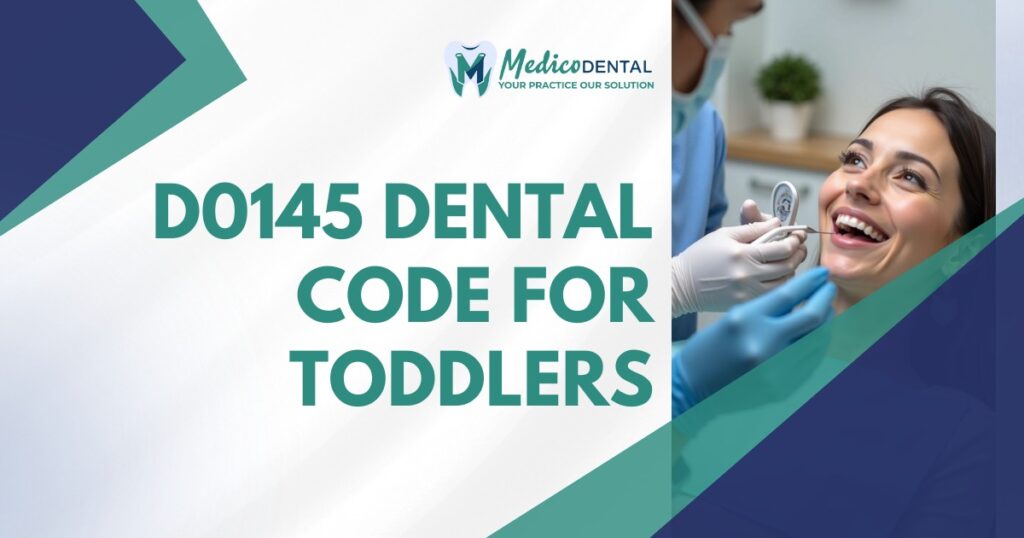
Dental care is an essential part of a child’s overall health, starting from a very young age. Establishing good dental habits early on can prevent future problems and ensure optimal oral health. For toddlers, early dental exams are vital for monitoring growth, spotting potential issues, and providing preventive care. Among the various billing codes used in pediatric dentistry, the D0145 dental code plays a significant role in making sure that toddlers receive the necessary dental exams, and their parents can take advantage of insurance reimbursements.
Overview of the D0145 Dental Code
The D0145 dental code is part of the Current Dental Terminology (CDT) codes, which are used by dental professionals to standardize the documentation of procedures and services. Specifically, the D0145 code refers to a “comprehensive oral evaluation” for a toddler, typically performed when the child is under 3 years old. This evaluation is a crucial first step in a child’s dental care journey, laying the foundation for preventive measures and early detection of potential oral health issues.
What is the D0145 Dental Code?
Definition of the D0145 Dental Code
The D0145 dental code is used to document a comprehensive oral evaluation performed on a toddler. This exam includes a detailed assessment of the child’s dental and oral health status, focusing on the development of teeth, gums, and other oral structures. Unlike regular dental checkups for older children and adults, this evaluation specifically addresses the unique needs of toddlers who may be in the early stages of developing their teeth and oral habits.
How the D0145 Code Applies to Pediatric Dentistry
In pediatric dentistry, the D0145 code is used to ensure that toddlers undergo a thorough and comprehensive oral examination. This typically involves a series of evaluations to monitor the health of primary (baby) teeth, the condition of the gums, and any potential signs of early tooth decay or other oral health problems. The code is also used to assess the child’s risk for dental issues, offer preventive education to caregivers, and provide guidance on how to maintain good oral hygiene from an early age.
Importance of the D0145 Code in Toddler Dental Visits
The importance of the D0145 code in toddler dental visits cannot be overstated. It ensures that young children receive the appropriate level of care during their first dental visits. Since toddlers are still developing their oral hygiene habits, it’s vital that pediatric dentists are able to track their dental health closely. The D0145 code helps ensure that all necessary procedures, such as screenings for early cavities, proper alignment of teeth, and identification of developmental issues, are completed.
Why is the D0145 Code Relevant for Toddlers?
The Significance of Early Dental Exams for Toddlers
Early dental exams are a cornerstone of pediatric dental care. According to the American Academy of Pediatric Dentistry (AAPD), a child should visit the dentist by their first birthday or within six months after the eruption of their first tooth. This allows the dentist to monitor the child’s oral development and provide guidance on proper oral hygiene. The D0145 code ensures that these early exams are documented accurately and can be reimbursed by insurance providers, making them accessible to families.
Preventive Care and Early Detection Through the D0145 Code
The D0145 code enables pediatric dentists to focus on preventive care and early detection. During the comprehensive oral evaluation, a pediatric dentist will assess the child’s risk for common issues like cavities, gum disease, and tooth misalignment. The sooner these problems are identified, the sooner they can be addressed, which may prevent costly and more invasive treatments in the future. Additionally, preventive care, including fluoride treatments and advice on diet and hygiene, can be provided during these visits.
How D0145 Influences Toddler Dental Treatments and Insurance Claims
The D0145 code also plays a key role in making sure the necessary treatments and follow-up care are covered by insurance. When the D0145 code is used, it indicates that a comprehensive evaluation was performed, making it easier for parents to receive reimbursements for services that fall under preventive care or diagnostic services. This helps families offset some of the costs associated with early dental care, which is often seen as an essential but sometimes costly investment in a child’s health.
Understanding the Components of the D0145 Code
Breakdown of the D0145 Code
The D0145 code is a comprehensive oral evaluation, specifically for children under the age of 3. It includes a wide range of assessments:
-
Dental History: This involves a review of the child’s oral health history, including teething patterns, previous dental problems, and any habits that may impact oral health, such as thumb sucking.
-
Oral Health Risk Assessment: A dentist will assess the child’s current risk for cavities, gum disease, or other dental conditions, taking into account the child’s age and behavior.
-
Examination of Teeth and Gums: The dentist will check the baby teeth (primary teeth) and gums for any signs of decay, infection, or other abnormalities.
-
Preventive Recommendations: The dentist will provide advice on proper oral hygiene, diet, and habits that can help promote healthy teeth and gums.
-
Guidance for Parents: Since toddlers are still dependent on their parents or caregivers for daily care, providing them with clear, actionable steps for maintaining their child’s dental health is a critical part of the evaluation.
What the Code Covers: Comprehensive Oral Exams for Toddlers
The D0145 code covers a thorough oral exam that includes the following:
- Checking for teething issues.
- Examining the gums and any erupted teeth.
- Looking for early signs of cavities or infections.
- Offering advice for oral hygiene, such as using a soft toothbrush and avoiding sugary foods.
- Discussing the importance of regular dental visits and how parents can help care for their child’s teeth at home.
Explanation of Diagnostic Services Covered Under D0145
In addition to the general examination, the D0145 code may include diagnostic services like the use of dental radiographs (X-rays) if necessary to identify problems that are not visible during a physical examination. This helps in detecting cavities between teeth or assessing the alignment of teeth and jaw development.
Benefits of the D0145 Dental Code for Toddlers’ Health
Importance of Early Diagnosis and Prevention
One of the most significant benefits of the D0145 dental code is that it emphasizes early diagnosis and prevention. The earlier any dental issues are detected, the better the chances are of treating them effectively before they become serious problems. For toddlers, this can include detecting early tooth decay or identifying potential orthodontic issues that may require attention as they grow older.
Benefits of D0145 for Parents and Caregivers
The D0145 code also benefits parents and caregivers by ensuring that they receive professional advice on how to care for their child’s oral health from the outset. This can be incredibly reassuring, especially for first-time parents, as it provides them with a clear roadmap for taking care of their child’s teeth and preventing common problems like cavities.
Role of D0145 in Pediatric Dental Health Insurance
By using the D0145 code, pediatric dentists ensure that the services rendered are eligible for insurance reimbursement. For parents, this can mean lower out-of-pocket costs and improved access to necessary dental care for their children.
How to Use the D0145 Code in Pediatric Dentistry
Step-by-Step Process of Billing with D0145 Code
For dental professionals, using the D0145 code is straightforward but requires proper documentation:
-
Perform a Comprehensive Oral Evaluation: The dentist conducts the exam as outlined above, ensuring all necessary procedures are carried out.
-
Document the Findings: The dentist must accurately record the results of the evaluation, including any diagnoses, treatments, or recommendations.
-
Submit the Claim: The dental office will submit the claim to the insurance company using the D0145 code, along with appropriate documentation to support the evaluation.
Examples of Procedures Linked to D0145
Although the D0145 code primarily refers to the comprehensive oral exam, it can sometimes be linked with other procedures such as fluoride treatments, educational consultations, or follow-up appointments if necessary.
Common Practices for Pediatric Dental Providers Using D0145
Pediatric dental providers use the D0145 code routinely to ensure that early dental care is covered by insurance and that parents are aware of the importance of starting dental care early. It is common practice for dental offices to schedule these evaluations as part of their regular pediatric dental care routine.
D0145 Dental Code and Pediatric Dental Insurance
How the D0145 Code Affects Insurance Coverage for Toddlers
The D0145 code can significantly impact insurance coverage. Most dental insurance plans cover comprehensive evaluations as part of preventive care, but coverage may vary depending on the plan. Understanding how the D0145 code works can help parents maximize their insurance benefits, ensuring that their child’s dental care is covered without unexpected out-of-pocket costs.
Insurance Reimbursement for D0145 Procedures
Insurance reimbursement for D0145 procedures generally depends on the policy and the provider’s guidelines. However, many insurance companies cover the D0145 dental exam, as it is an essential service for maintaining a child’s oral health. It is always advisable for parents to check with their insurance company to understand their specific coverage for toddler dental exams.
What Parents Need to Know About Insurance and D0145
Parents should know that using the D0145 code will typically result in coverage for preventive care during their child’s early dental visits. However, they should verify with their insurance provider to ensure that these exams are fully covered, especially if additional services like X-rays or fluoride treatments are involved.
What to Expect During a Toddler’s Dental Appointment Using D0145
A toddler’s dental appointment is an important milestone in ensuring their long-term oral health. For toddlers under the D0145 dental code, the visit is not only an opportunity for a thorough examination but also a chance to start them on the path to excellent oral hygiene. Here’s what to expect during a typical dental visit, what steps will be taken during the exam, and how parents can prepare their child for a positive experience.
A Typical Dental Visit for Toddlers Under D0145
A typical dental visit under the D0145 code focuses on a comprehensive evaluation of a toddler’s oral health. The purpose is to assess the health of their primary (baby) teeth, gums, and overall oral development. For toddlers, the experience is usually quick and gentle, with the emphasis on making the child feel comfortable and safe in a new environment.
Steps Taken During a Comprehensive Dental Exam
-
Health and Dental History: The dentist will begin by asking the parents about the toddler’s oral health history. This includes questions about teething, habits like thumb-sucking or bottle use, diet, and any previous dental issues. This helps the dentist understand the child’s dental development and any potential risks.
-
Physical Examination: The dentist will then perform a gentle physical examination of the child’s mouth, checking for signs of tooth decay, gum health, and any developmental concerns, such as spacing or alignment of teeth.
-
Risk Assessment: The dentist will assess the child’s risk for cavities or other oral health issues based on the physical exam, the child’s habits, and their family dental history.
-
Oral Hygiene Education: One of the most important parts of the visit is educating parents and caregivers on how to care for the toddler’s teeth. The dentist will offer guidance on brushing, flossing, diet, and when to start using fluoride toothpaste.
-
Fluoride Treatment or Other Preventive Care: If appropriate, the dentist may apply a fluoride treatment to the toddler’s teeth to help strengthen enamel and prevent cavities.
-
Next Steps and Follow-up: Based on the results of the exam, the dentist will recommend any next steps. If everything looks healthy, they may suggest a follow-up visit in 6 months. If there are concerns, the dentist may advise further treatments, such as fluoride varnishes or sealants, to prevent future dental issues.
What Parents Can Do to Prepare Their Toddler for the Visit
Preparing a toddler for their first dental appointment can help reduce anxiety and make the experience more comfortable. Here are some tips:
-
Start Early Conversations: Talk to your toddler about the dentist in a positive way. Use books or videos to explain what will happen during the visit.
-
Play “Dentist” at Home: You can play pretend dentist games to help familiarize your child with the tools and procedures.
-
Keep it Short and Sweet: Keep the conversation light and focus on how the visit is for their health, making it an enjoyable experience.
-
Bring Comfort Items: If your child has a favorite toy or blanket, bring it along for comfort.
-
Stay Calm: Toddlers pick up on their parent’s emotions, so stay calm and positive to help them feel more relaxed.
D0145 vs. Other Pediatric Dental Codes
While D0145 is specific to toddlers and their first comprehensive dental exam, there are other pediatric dental coding that are used for different types of dental services. Understanding the differences can help both parents and providers use the correct codes.
Comparison of D0145 with Other Common Pediatric Dental Codes
-
D0120 – Periodic Oral Evaluation: This code is for regular checkups, typically for children over the age of 3. It includes a basic exam to assess the child’s oral health, check for cavities, and ensure that teeth are coming in properly.
-
D0150 – Comprehensive Oral Evaluation: This is used for older children or for a more in-depth exam, often when a child hasn’t seen a dentist in a long time.
-
D1206 – Topical Fluoride Application: This code covers fluoride treatments that help prevent tooth decay, often used in conjunction with other exams and evaluations.
How D0145 Differs from Preventive and Diagnostic Codes
The D0145 code is specifically for comprehensive exams in toddlers under the age of 3. It goes beyond preventive treatments and diagnostic services (like those in the D0120 or D1206 codes) to include a complete evaluation of the child’s teeth and oral health at the earliest stage. Preventive codes like D1206 focus solely on fluoride treatments and other preventive measures, while diagnostic codes are used for more specific concerns or problems.
When to Use D0145 vs. Other Codes in Pediatric Care
The D0145 code is used when a toddler is receiving their first comprehensive dental exam. If a toddler is older than 3 or has already received their first visit, codes like D0120 (Periodic Oral Evaluation) are more appropriate for regular checkups. The D0150 code may be used if there is a more thorough evaluation needed, often after a long period without dental visits.
Common Concerns and Misconceptions About the D0145 Code
Addressing Common Misunderstandings About D0145
Many parents are unsure about when their child should have their first dental visit and may not realize the significance of the D0145 code. Some common concerns include:
-
“My toddler doesn’t have many teeth, so there’s no need to see the dentist.” This is a misconception. Even before all primary teeth erupt, it’s essential to have a dental exam. The D0145 code ensures that any developmental issues or early signs of dental decay are detected.
-
“I don’t think my insurance will cover the visit.” Most insurance plans do cover the D0145 dental exam, but it’s important to verify coverage with your provider beforehand.
Clearing Up Confusion About Pediatric Dental Billing Codes
Dental billing codes can seem confusing, especially for new parents. The D0145 code specifically covers a comprehensive exam for toddlers, while other codes apply to different dental needs such as preventive care or diagnostic services. It’s helpful to discuss billing codes with your dentist’s office to ensure that your visit is properly coded for insurance purposes.
Tips for Parents to Ensure Comprehensive Dental Care for Toddlers
Ensuring your toddler’s oral health requires more than just a trip to the dentist. Here are some tips to maintain healthy teeth at home and make the most of the D0145 code:
Best Practices for Toddler Oral Care at Home
-
Brush Twice a Day: Use a soft toothbrush with a small amount of fluoride toothpaste to gently clean your toddler’s teeth.
-
Avoid Sugary Foods and Drinks: Limit sugary snacks and drinks to prevent cavities. Offer water or milk instead.
-
Start Flossing Early: Once your toddler has two teeth that touch, you can begin flossing to prevent plaque buildup.
-
Model Good Oral Hygiene: Children learn by watching, so brushing your own teeth alongside your toddler can encourage them to do the same.
How D0145 Facilitates a Long-Term Oral Health Plan
The D0145 dental visit helps establish a long-term oral health plan by setting a baseline for the child’s dental development. By identifying potential issues early, the dentist can work with the parents to create a plan for maintaining good oral hygiene and addressing problems before they escalate.
Tips for Maintaining a Toddler’s Dental Health
-
Establish a Routine: Consistency is key for toddlers. Make brushing teeth part of their daily routine to help establish a lifelong habit.
-
Use Positive Reinforcement: Praise your toddler after they brush their teeth, helping them associate good oral hygiene with positive outcomes.
The Future of Pediatric Dental Care and the D0145 Code
Trends in Pediatric Dentistry and Coding Practices
As pediatric dentistry evolves, there’s an increased emphasis on early prevention and education. The D0145 code supports this trend by ensuring toddlers receive early, comprehensive exams. Future trends in pediatric dentistry will likely involve more preventive measures and increased use of technology to enhance diagnosis and treatment.
The Evolution of the D0145 Code for Evolving Dental Needs
As dental needs evolve, the D0145 code may also evolve to reflect new practices and technologies. This could include the use of digital imaging or enhanced diagnostic tools that offer a more in-depth view of a toddler’s oral health.
How Technology is Shaping the Future of Toddler Dental Care and D0145
Technological advancements like teledentistry, digital X-rays, and AI-based diagnostic tools are changing the way pediatric dentists assess and treat oral health. These innovations will likely become more integrated into the D0145 process, making dental visits even more efficient and comprehensive for toddlers.
Conclusion
In summary, understanding the D0145 dental code is key to ensuring your toddler receives the necessary care for optimal oral health. Early visits under this code are essential for preventing problems before they develop and establishing a solid foundation for lifelong dental care. Parents should embrace the importance of these early visits and work closely with their pediatric dentist to create a long-term plan for maintaining their toddler’s health.
FAQs
Does the D0145 code cover fluoride treatments?
Ans. The D0145 code typically covers the comprehensive exam itself. However, additional treatments like fluoride varnish or sealants may be billed separately under different codes like D1206.
How often should my toddler see the dentist under the D0145 code?
Ans. After the first comprehensive exam, the recommendation is usually for a follow-up visit every six months, but this can vary depending on the child’s needs.