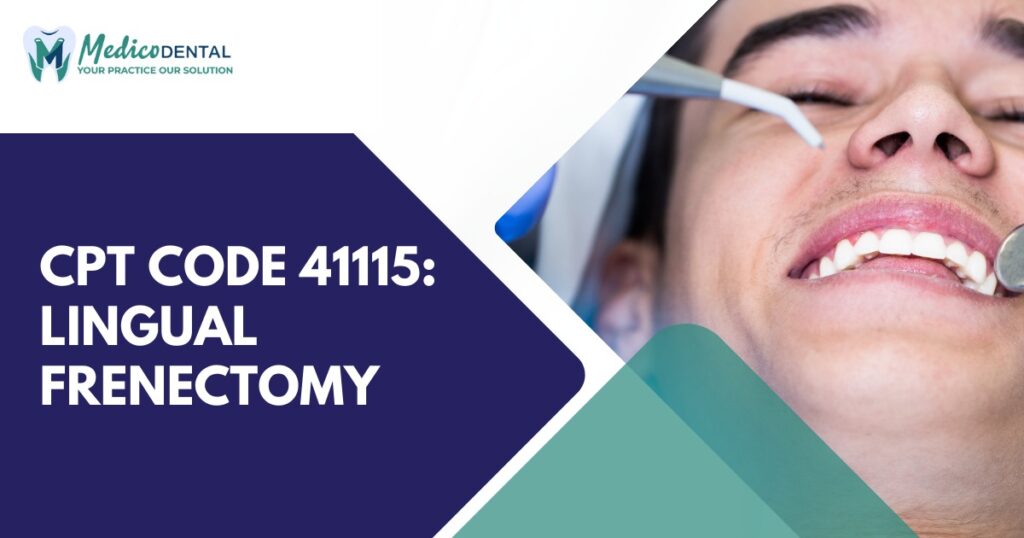
CPT codes are a critical part of the medical billing process, offering a standardized system to describe medical procedures and services. These codes allow healthcare providers, medical professionals, and insurance companies to communicate effectively and ensure proper reimbursement for services rendered. One such code is CPT Code 41115, which specifically covers a medical procedure related to a lingual frenectomy. This article provides an in-depth overview of CPT Code 41115, the medical procedure it refers to, and its importance in dental and medical billing.
What is CPT Code 41115?
CPT Code 41115 refers to the procedure known as a lingual frenectomy, which involves the removal or alteration of the lingual frenulum. The lingual frenulum is a small fold of tissue located under the tongue that connects the tongue to the floor of the mouth. When this frenulum is too tight or restrictive, it can cause issues with speech, eating, and overall oral health. CPT Code 41115 specifically addresses the surgical procedure for releasing or altering the lingual frenulum to improve function.
Importance of CPT Code 41115 in Medical Billing
Medical billing relies heavily on the accurate use of CPT codes to ensure proper reimbursement and documentation for procedures performed. CPT Code 41115 is used by healthcare providers to ensure that they are reimbursed for performing a lingual frenectomy, a procedure that may be required for patients experiencing functional issues with their tongue. Without using the correct CPT code, there may be delays or denials in insurance claims, affecting the financial aspects of healthcare services. For medical professionals, using CPT Code 41115 is essential for proper billing and ensuring that the procedure is recognized and reimbursed.
Overview of Lingual Frenectomy and Its Medical Relevance
A lingual frenectomy is a relatively simple yet significant procedure in the field of dentistry and surgery. It involves the surgical removal or modification of the lingual frenulum to address a variety of issues, from speech impairments to difficulties in swallowing or eating. The frenulum is a small band of tissue that can sometimes restrict the movement of the tongue, leading to conditions like tongue-tie (ankyloglossia). These issues can have a profound effect on a patient’s ability to speak or eat, making the frenectomy an important procedure for improving oral health.
What is a Lingual Frenectomy?
Definition and Purpose of a Lingual Frenectomy
A lingual frenectomy is the surgical removal or alteration of the lingual frenulum to alleviate restrictions caused by a tight or thickened frenulum. This procedure aims to restore normal tongue movement, which can improve speech, feeding, and overall comfort.
Common Conditions Treated with a Lingual Frenectomy
Lingual frenectomy is primarily used to treat ankyloglossia, or tongue-tie, which occurs when the frenulum is too tight, restricting the tongue’s movement. This condition can cause problems such as:
-
Difficulty breastfeeding in infants
-
Speech difficulties in children and adults
-
Limited tongue mobility for proper oral hygiene
-
Challenges with eating or swallowing
Lingual Frenectomy vs. Other Types of Frenectomies
While the lingual frenectomy targets the frenulum beneath the tongue, there are other types of frenectomies, such as the labial frenectomy (removal of the frenulum between the upper lip and the gums). These procedures are often similar in technique, but they address different areas of the body. The lingual frenectomy, as covered by CPT Code 41115, focuses on the tissues under the tongue, which is crucial for certain functions like speaking and eating.
Understanding CPT Code 41115
A Detailed Explanation of CPT Code 41115
CPT Code 41115 is specifically designed for the surgical procedure of a lingual frenectomy. This code is used to describe the removal or modification of the lingual frenulum, typically performed in cases where the frenulum is abnormally tight or thick. The code ensures that medical providers are compensated for the time and resources spent on the procedure.
How CPT Code 41115 Relates to Lingual Frenectomy Procedures
CPT Code 41115 directly corresponds to the procedure of releasing or cutting the frenulum beneath the tongue. The code is essential in documenting the procedure for insurance claims and billing purposes. Accurate use of this code ensures that healthcare providers are properly reimbursed for their work and that the procedure is recognized in the medical system.
Key Elements of the Procedure Covered by CPT Code 41115
When using CPT Code 41115, it is important to understand the key elements of the lingual frenectomy procedure it refers to. These elements typically include:
-
Anesthesia: The procedure is usually done under local anesthesia, though general anesthesia may be used in some cases, especially for young children.
-
Surgical Technique: The frenulum is cut, altered, or removed to release tension on the tongue.
-
Postoperative Care: After the procedure, patients may need follow-up care to ensure proper healing and address any complications such as bleeding or infection.
Why is CPT Code 41115 Important in Dental and Medical Billing?
CPT Code 41115 is essential for accurate medical and dental billing. This code is necessary for insurance providers to understand the exact nature of the procedure performed and to determine appropriate reimbursement rates. Proper coding helps reduce errors in billing, ensuring that healthcare professionals are compensated correctly for their services.
The Role of CPT Code 41115 in Insurance Claims
Insurance companies require accurate coding to process claims effectively. When a lingual frenectomy is performed, CPT Code 41115 is submitted as part of the insurance claim. The correct use of this code ensures that the procedure is recognized, which helps the claim be processed without delays or denials. Incorrect coding or missing information can result in financial setbacks for medical professionals.
Common Mistakes to Avoid When Using CPT Code 41115
When submitting claims using CPT Code 41115, healthcare providers must be careful to avoid common mistakes that could lead to claim denials or delays, such as:
-
Incorrect Procedure Codes: Make sure that CPT Code 41115 is used for the lingual frenectomy procedure. Using an incorrect code may result in reimbursement issues.
-
Lack of Documentation: Proper documentation of the procedure and its medical necessity is critical for ensuring the procedure is covered by insurance.
-
Failure to Specify Anesthesia: It’s essential to document the anesthesia used during the procedure, as this can affect reimbursement rates.
Understanding Reimbursement for CPT Code 41115
Reimbursement for CPT Code 41115 will vary depending on the insurance provider and the specific nature of the procedure. Insurance companies typically reimburse based on factors such as:
-
Medical Necessity: The procedure must be medically necessary to treat a condition like tongue-tie or speech impairments.
-
Procedure Complexity: If the procedure involves complications or additional treatment, reimbursement rates may be adjusted.
-
Location and Healthcare Provider: Different regions and healthcare providers may have varying reimbursement rates for the same procedure.
Indications for Lingual Frenectomy Under CPT Code 41115
CPT Code 41115 is typically used when the lingual frenulum causes functional issues that need to be addressed. Common indications for a lingual frenectomy include:
-
Speech and Swallowing Issues Linked to Lingual Frenulum: A restrictive frenulum can impair speech clarity or cause difficulty swallowing. A frenectomy can alleviate these problems.
-
Treatment of Tongue-Tie (Ankyloglossia): This condition, which is often diagnosed in infants or young children, can affect breastfeeding, speech development, and oral hygiene.
-
Difficulty with Oral Health Maintenance: A restrictive frenulum may limit tongue movement, making it difficult for patients to clean their mouths properly.
How is a Lingual Frenectomy Performed?
Step-by-Step Procedure for Lingual Frenectomy
-
Anesthesia Administration: The patient is given local or general anesthesia, depending on age and condition.
-
Frenulum Release: The surgeon cuts or removes the frenulum beneath the tongue using surgical instruments.
-
Post-Procedure Care: The area may be sutured or cauterized to prevent bleeding, and patients are given instructions for aftercare.
Anesthesia and Pain Management for Lingual Frenectomy
For most patients, a local anesthetic is used to numb the area, ensuring the procedure is painless. In cases of very young children or complex procedures, general anesthesia may be used.
What to Expect During and After the Procedure
During the procedure, patients should not feel pain, though they may experience some pressure or discomfort. After the procedure, there may be mild swelling or discomfort, which can be managed with over-the-counter pain relievers. Full recovery typically takes a few days to a week, depending on the complexity of the procedure and the patient’s age.
Complications and Risks of Lingual Frenectomy
Lingual frenectomy, while a relatively straightforward procedure, can carry certain risks and complications, especially if not performed properly or if post-operative care is insufficient. Understanding these potential issues is key to ensuring the procedure’s success and minimizing any adverse effects.
Potential Complications During the Procedure
Although lingual frenectomy is generally safe, some complications can arise during the procedure. These can include:
-
Excessive Bleeding: As with any surgery, bleeding is a potential complication. If the frenulum is particularly thick or vascular, excessive bleeding may occur. Surgeons must be prepared to manage this, but it can often be controlled with proper surgical techniques and pressure.
-
Injury to Surrounding Tissues: The lingual frenulum is located close to sensitive areas, including the floor of the mouth and nearby blood vessels. There is a risk of accidental injury to these tissues, which can lead to further complications like infection or swelling.
-
Infection: As with any surgical procedure, an infection can develop at the surgical site if the area is not kept clean or if proper post-operative care is not followed.
-
Pain or Discomfort: While anesthesia is used to minimize pain during the procedure, some patients may still experience discomfort following the procedure, especially if the frenulum is more extensive or if sutures are needed.
Long-Term Effects of Lingual Frenectomy
While most patients experience significant improvement after a lingual frenectomy, there can be some long-term effects:
-
Scar Tissue Formation: In some cases, the frenulum may heal with excess scar tissue. This can sometimes result in reduced tongue mobility if the scar tissue limits the tongue’s natural movement.
-
Reoccurrence of Tongue-Tie: Although rare, in some cases, the frenulum may reattach or remain restrictive after the procedure, requiring another frenectomy.
-
Speech and Feeding Issues: While the procedure aims to improve tongue mobility, there are cases where the intended results might not be achieved. If speech or feeding difficulties persist, further treatment may be necessary.
How to Minimize Risks and Ensure Successful Outcomes
To minimize the risks associated with a lingual frenectomy and ensure the best possible outcomes:
-
Choose an Experienced Surgeon: Ensure that the procedure is performed by a qualified healthcare provider with experience in lingual frenectomies.
-
Follow Post-Operative Instructions Carefully: After the procedure, it’s essential to follow all post-operative instructions, such as maintaining oral hygiene and avoiding certain foods or activities.
-
Attend Follow-Up Appointments: Regular follow-up visits are crucial for monitoring healing and detecting any issues early on.
-
Consider Anesthesia Options: Discuss anesthesia options with the surgeon beforehand, especially if the patient is a young child. The type of anesthesia used can affect both the comfort of the procedure and the recovery process.
CPT Code 41115 in Medical Documentation and Coding
Proper documentation and accurate coding are vital in the medical billing process. For lingual frenectomies, CPT Code 41115 is used to ensure that the procedure is properly documented and billed. Let’s explore how CPT Code 41115 is integrated into medical documentation and billing.
Proper Documentation for CPT Code 41115
For proper documentation under CPT Code 41115, healthcare providers must ensure:
-
Clear Description of the Procedure: The lingual frenectomy must be clearly described in the patient’s medical records. This includes documenting the condition (e.g., tongue-tie) that necessitated the procedure and detailing the surgical steps taken.
-
Anesthesia Used: It’s important to document the type of anesthesia administered, as this can impact reimbursement.
-
Medical Necessity: A statement of medical necessity is critical, particularly for insurance claims. This justifies why the procedure was needed, ensuring the patient’s condition warrants surgical intervention.
-
Post-Operative Instructions: Ensure that the patient’s follow-up care, recovery plan, and any specific instructions (such as pain management or dietary restrictions) are thoroughly documented.
Common Coding Errors and How to Avoid Them
Even experienced professionals may encounter challenges with coding. Here are some common errors to avoid when using CPT Code 41115:
-
Incorrect Code Selection: Sometimes, providers may mistakenly use a code for a different type of frenectomy (e.g., labial frenectomy). It’s crucial to use CPT Code 41115 specifically for the lingual frenectomy to ensure accurate billing.
-
Omission of Relevant Information: Failing to include essential details, such as anesthesia type or the reason for the procedure, can lead to claim denials or delays. Proper documentation ensures that insurers can quickly assess the claim.
-
Using Outdated Codes: Healthcare professionals should be mindful of updates to the CPT coding system to avoid using obsolete codes that could lead to billing errors.
Using CPT Code 41115 for Accurate Billing and Reporting
Accurate billing with CPT Code 41115 involves:
-
Detailed Procedure Descriptions: Ensure the procedure is well-documented, including the surgical technique, anesthesia used, and any complications during the procedure.
-
Billing with Modifiers: In some cases, additional modifiers may be necessary, especially if the procedure is more complex or if there are unusual circumstances.
-
Medical Necessity Justification: When submitting a claim for CPT Code 41115, include a detailed explanation of the medical necessity. This is essential for gaining approval from insurance companies.
The Cost of a Lingual Frenectomy (CPT Code 41115)
The cost of a lingual frenectomy can vary widely depending on several factors, including the location of the procedure, the healthcare provider, and the complexity of the case. Here’s a breakdown of what influences the cost of a frenectomy under CPT Code 41115.
Factors Influencing the Cost of a Lingual Frenectomy Procedure
-
Geographic Location: The cost of medical procedures varies by region. In urban areas, the price may be higher due to increased operational costs.
-
Healthcare Provider’s Expertise: More experienced providers may charge higher fees for their expertise and specialized skills.
-
Anesthesia Type: The use of general anesthesia (especially for young children) will increase the cost of the procedure.
-
Insurance Coverage: If the procedure is covered by insurance, patients may only pay a portion of the cost, such as a copayment or deductible. However, without insurance, patients must pay the full amount.
Insurance Coverage for CPT Code 41115
Many insurance plans cover lingual frenectomies when deemed medically necessary. However, coverage may vary depending on the insurer and the patient’s policy. For insurance companies to cover the procedure, it’s essential that the lingual frenectomy is properly documented as medically necessary to treat a condition like tongue-tie or speech impairment.
Average Costs and Payment Options
The average cost of a lingual frenectomy can range from $200 to $2,000, depending on various factors such as location and complexity. Some dental insurance plans may cover the procedure, especially when it’s deemed medically necessary. Patients should check with their insurer to determine coverage and out-of-pocket costs.
Post-Operative Care After a Lingual Frenectomy
After the procedure, proper post-operative care is crucial for successful healing and minimizing complications. Here’s what patients can expect during the recovery process:
Recovery Process and Timeline
The recovery process for a lingual frenectomy is generally quick. Most patients experience some mild discomfort, swelling, and tenderness for the first few days. Full recovery usually takes between 3-7 days, depending on the individual’s healing rate.
Pain Management and Follow-Up Care
Pain after a frenectomy is typically mild and can be managed with over-the-counter pain relievers. Healthcare providers may also recommend saltwater rinses to reduce swelling and promote healing. Follow-up appointments are essential to ensure the procedure was successful and that healing is progressing well.
Precautions and Oral Care Tips After the Procedure
-
Avoid Hot or Spicy Foods: These can irritate the surgical site and cause discomfort.
-
Maintain Good Oral Hygiene: Keeping the mouth clean helps prevent infection. However, patients should be gentle around the surgical area for the first few days.
-
Rest and Hydration: Adequate rest and hydration will support the healing process.
Conclusion
Recap of CPT Code 41115 and its Role in Medical Billing
CPT Code 41115 plays a crucial role in medical billing by ensuring that lingual frenectomy procedures are properly documented, coded, and reimbursed. This code facilitates smooth insurance claims and ensures that healthcare providers are compensated for the procedure.
The Future of Lingual Frenectomy Coding and Treatment
As understanding of the importance of lingual frenectomies grows, especially in pediatric care, there may be continued advancements in both coding and treatment. Proper use of CPT Code 41115 will remain essential for ensuring accurate billing and coverage.
Why Accurate Use of CPT Code 41115 Matters for Healthcare Providers and Patients
Accurate use of CPT Code 41115 not only ensures that patients receive the care they need but also guarantees that healthcare providers are reimbursed fairly. It promotes transparency and helps prevent billing errors, which can lead to financial strain or denied claims. Ultimately, it supports the delivery of quality care and improves patient outcomes.
FAQs
What is the Difference Between CPT Code 41115 and Other Frenectomy Codes?
Ans. CPT Code 41115 specifically covers the lingual frenectomy, which addresses the frenulum beneath the tongue. Other frenectomy codes, such as those for labial frenectomy (upper lip), cover different parts of the mouth and require distinct coding.
How Does CPT Code 41115 Apply to Pediatric Patients?
Ans. CPT Code 41115 is commonly used for children with tongue-tie or speech issues. The procedure may be performed earlier in life to prevent feeding and speech problems.
Can Adults Benefit from a Lingual Frenectomy?
Ans. Yes, adults can also benefit from a lingual frenectomy, especially if they experience speech difficulties, trouble swallowing, or other issues related to a tight frenulum.