D2150 Dental Code: 2-Surface Filling
Dental care involves precise procedures, accurate documentation, and effective communication between dentists, patients, and insurance providers. One essential aspect of this process is dental coding, which standardizes the way treatments are described, billed, and tracked. Among these codes, D2150 dental code is specifically used to describe a 2-surface filling procedure. Understanding this code is important for patients seeking dental treatment, dental professionals performing the procedure, and insurance specialists responsible for claims and reimbursements. This article provides a comprehensive overview of D2150, including what a 2-surface filling is, the procedure involved, indications for its use, materials used, insurance considerations, and long-term benefits.
Understanding the D2150 Dental Code
The D2150 dental code is part of the Current Dental Terminology (CDT) system established by the American Dental Association (ADA). CDT codes serve as a standardized language for dental procedures, allowing dental offices and insurance companies to communicate efficiently. Each code corresponds to a specific type of treatment or procedure, ensuring uniformity in dental record keeping and billing processes.
D2150 specifically refers to a restorative procedure involving two surfaces of a tooth. This code is used when dental decay, damage, or trauma affects two adjoining surfaces of a tooth, requiring the dentist to remove decayed tissue and restore the tooth with appropriate filling material. Accurate use of this code is critical for proper insurance claims, patient records, and compliance with dental standards.
What is a 2-Surface Filling?
A 2-surface filling is a restorative dental procedure performed to treat a cavity that affects two surfaces of a tooth. Unlike a 1-surface filling, which is used for decay on a single plane of the tooth, a 2-surface filling addresses a more complex restoration where two adjacent surfaces, such as the occlusal (biting) surface and a proximal (side) surface, are compromised. These surfaces can vary depending on the tooth’s position in the mouth and the spread of decay.
The purpose of a 2-surface filling is to restore the tooth’s natural shape, function, and strength while preventing further decay. If left untreated, a cavity affecting two surfaces can worsen, leading to more extensive procedures such as crowns, root canals, or even tooth extraction. Therefore, timely intervention using D2150 ensures that the tooth maintains its integrity and continues to function properly.
Indications for a D2150 Procedure
The D2150 dental code is applied in situations where two surfaces of a tooth are affected by decay, minor fracture, or wear. The decision to perform a 2-surface filling is based on a thorough examination by the dentist, which may include visual inspection, X-rays, and other diagnostic tools to detect hidden decay. Typical scenarios requiring a D2150 filling include cavities spreading from the occlusal surface to a proximal surface, decay affecting two adjacent sides of a tooth, or minor cracks or damage that compromise the tooth’s structure.
It is important to distinguish between different types of fillings because CDT codes vary depending on the number of surfaces treated. For example, D2140 refers to a 1-surface filling, D2160 to a 3-surface filling, and D2161 to fillings involving four or more surfaces. Using the correct code ensures accurate billing and prevents delays in insurance reimbursement.
Materials Used in a 2-Surface Filling
Dentists can choose from several materials when performing a 2-surface filling under the D2150 code. The choice of material depends on factors such as the location of the tooth, patient preferences, and insurance coverage. Commonly used materials include composite resin, amalgam, and glass ionomer.
Composite resin is widely favored for its natural tooth-like appearance and ability to bond directly to the tooth structure. It is particularly useful for visible teeth, where aesthetics are a priority. Amalgam, composed of a mixture of metals, is durable and often preferred for molars that endure significant chewing pressure. Glass ionomer is sometimes used for patients with sensitivity issues or when fluoride release is desired to protect against further decay.
The dentist will discuss the pros and cons of each material with the patient before proceeding, ensuring that the filling not only restores functionality but also meets the patient’s aesthetic and health requirements.
Step-by-Step Procedure of a D2150 Filling
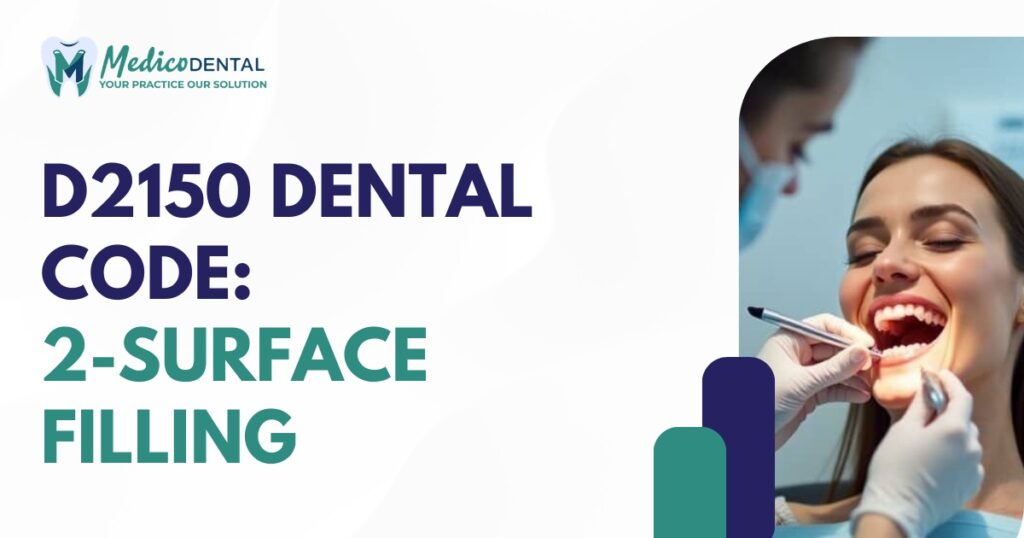
The procedure for a 2-surface filling begins with patient preparation and local anesthesia to numb the affected area. The dentist then removes decayed or damaged tooth material using a dental drill, laser, or other specialized instruments. Once the cavity is cleaned and shaped, the chosen filling material is applied carefully to restore the tooth’s original contour.
For composite resin fillings, the material is placed in layers, with each layer being hardened using a curing light. This ensures durability and proper bonding to the tooth. Amalgam fillings are packed into the cavity and allowed to set, while glass ionomer fillings may be applied and chemically hardened. After the filling is fully set, the dentist checks the patient’s bite and makes any necessary adjustments to ensure comfort and proper alignment.
Post-procedure care is crucial. Patients may experience mild sensitivity in the treated tooth for a few days, which typically resolves with proper oral hygiene. Maintaining regular dental check-ups helps monitor the filled tooth and detect any potential issues early.
Insurance and Billing for D2150
Accurate use of the D2150 dental code is essential for insurance claims. Dental insurance companies rely on CDT codes to determine coverage and calculate reimbursement. Using an incorrect code, such as a 1-surface or 3-surface filling code, can lead to claim denials or delayed payments.
Patients are encouraged to review their dental insurance policies to understand coverage for 2-surface fillings. Some plans cover a percentage of the cost, while others may require co-pays or have annual maximum limits. Dental offices typically handle the claims process on behalf of patients, ensuring that the correct code is used and that documentation meets insurance requirements. Proper coding also protects dental offices from audits and ensures compliance with regulatory standards.
Benefits of a 2-Surface Filling
The D2150 dental code and the associated 2-surface filling procedure offer several benefits. First, it restores the tooth’s structural integrity, allowing patients to chew and speak comfortably. Second, it prevents further decay, reducing the likelihood of more extensive and costly dental procedures in the future. Third, a properly placed filling enhances oral aesthetics, particularly when composite resin is used on visible teeth.
From a dental practice perspective, using accurate codes like D2150 improves record-keeping, reduces billing errors, and facilitates smooth communication with insurance providers. For patients, understanding this code helps them make informed decisions about their treatment and ensures they receive appropriate coverage for restorative procedures.
Common Questions About D2150
Patients often have questions regarding the D2150 dental code and what to expect during a 2-surface filling. One common concern is pain during the procedure. Local anesthesia effectively minimizes discomfort, and most patients experience only minor sensitivity afterward. Another frequent question is the lifespan of the filling. Composite resin fillings can last between 5 and 10 years, while amalgam fillings may last longer due to their durability. Regular dental care and avoiding excessive chewing on hard foods help prolong the life of the filling.
Patients may also ask about the cost of a 2-surface filling. The price depends on factors such as the material used, the complexity of the procedure, and insurance coverage. Understanding the D2150 code allows patients to discuss costs accurately with their dental provider and plan accordingly.
Long-Term Considerations
A 2-surface filling under the D2150 dental code is not just a short-term solution; it is a preventive measure that supports long-term oral health. Properly maintained fillings prevent decay from spreading, reduce the risk of tooth fractures, and preserve the natural tooth structure. Patients are advised to maintain good oral hygiene practices, including brushing twice daily, flossing, and attending regular dental check-ups. Avoiding habits like teeth grinding or chewing hard objects also helps extend the life of the filling.
For dental professionals, accurate documentation using D2150 ensures that patient records reflect the treatment provided, which is critical for follow-up care, insurance audits, and continuity of care. It also helps dental practices track treatment patterns, manage inventory of materials, and maintain compliance with industry standards.
Conclusion
The D2150 dental code is a critical component of modern dentistry, providing a standardized method to document and bill for 2-surface fillings. Understanding this code is essential for dentists, patients, and insurance specialists alike. A 2-surface filling restores the tooth’s function and structure, prevents further decay, and ensures long-term oral health. Accurate coding facilitates proper insurance reimbursement, minimizes billing errors, and strengthens communication between dental professionals and patients.
By comprehensively understanding the D2150 dental code, patients can make informed decisions about their dental care, and dental professionals can deliver precise, effective treatment while maintaining high standards of documentation and compliance. The 2-surface filling is more than a restorative procedure; it is a vital step in preserving dental health, promoting patient comfort, and ensuring the longevity of natural teeth.