If you recently saw the D2335 Dental Code listed on your dental treatment plan or explanation of benefits, you are probably trying to understand what it means and why it was used. Many patients become concerned when they see unfamiliar procedure codes, especially when the treatment involves their front teeth. Since front teeth are highly visible and essential for both appearance and function, any restorative work in this area naturally raises important questions.
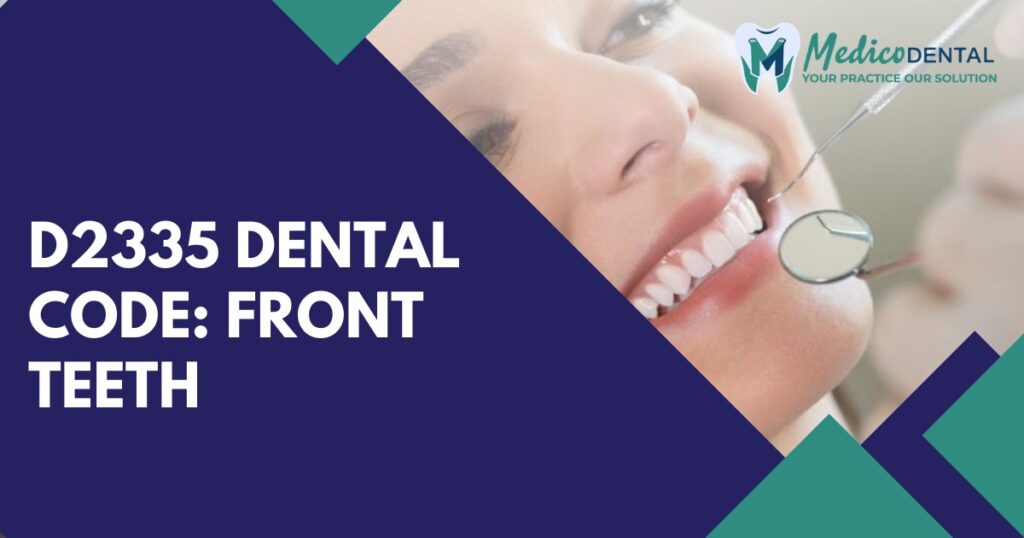
The D2335 Dental Code refers to a composite resin restoration performed on an anterior tooth, typically involving multiple surfaces. Anterior teeth include the incisors and canines, which play a crucial role in speaking, biting, and smiling. When this code appears on your bill, it generally indicates that your dentist restored a damaged front tooth using tooth-colored composite material.
Understanding this code helps you feel more confident about your treatment, costs, and long-term oral health decisions.
Why Front Teeth Often Require Composite Restorations
Front teeth are exposed to daily stress from biting into food, accidental trauma, and even habits like nail-biting or chewing on hard objects. They are also more vulnerable to visible damage because they are positioned at the front of your mouth. Even minor chips, cracks, or cavities can significantly impact your smile and self-confidence.
When decay or damage affects multiple surfaces of a front tooth, the dentist may use a composite resin to rebuild the structure. The D2335 Dental Code is specifically used when a multi-surface composite restoration is placed on an anterior tooth. The goal is to restore both strength and aesthetics while preserving as much natural tooth structure as possible.
Patients searching for information about the D2335 Dental Code usually want to know whether the procedure was necessary, how it improves their smile, and how long it will last. In most cases, this restorative treatment prevents further decay and protects the tooth from more extensive procedures in the future.
What Happens During a D2335 Procedure
If your dentist performed a restoration under the D2335 Dental Code, the procedure likely began with a thorough examination and possibly X-rays to assess the extent of damage. Once the area was identified, the tooth was numbed to ensure comfort.
The dentist then removed any decay or weakened enamel. After preparing the tooth surface, a bonding agent was applied to help the composite resin adhere securely. The composite material was carefully layered onto the tooth, sculpted to match its natural shape, and hardened using a special curing light. Finally, the restoration was polished to blend seamlessly with your surrounding teeth.
The entire process is typically completed in a single visit. One of the biggest advantages of composite restorations on front teeth is that they provide immediate cosmetic improvement.
Aesthetic Benefits of Composite Restorations on Front Teeth
Because front teeth are so visible, appearance matters significantly. Composite resin is specifically designed to match the natural shade of your teeth. Dentists can customize the color and translucency, ensuring the restoration looks natural and undetectable.
When the D2335 Dental Code is used, it often reflects a restoration involving more than one surface of the tooth, which requires careful shaping and artistic precision. A properly placed composite restoration restores not only function but also confidence in your smile.
Patients who experience chips or cavities in front teeth often feel self-conscious. Restorative treatment coded under D2335 can dramatically improve the appearance of the tooth while maintaining a natural look.
Functional Importance of Treating Front Teeth Damage
Front teeth are not just for aesthetics. They are essential for biting into foods and forming certain speech sounds. Damage left untreated can worsen over time, leading to sensitivity, pain, or infection.
A multi-surface composite restoration coded under the D2335 Dental Code helps reinforce the tooth structure. By bonding directly to the enamel and dentin, the composite material provides additional support and helps prevent fractures.
If decay spreads deeper into the tooth, it may require more extensive treatment such as a root canal or full-coverage crown. Addressing the problem early through a composite restoration can preserve the natural tooth and reduce long-term costs.
Insurance Coverage and Cost Considerations
Many patients researching the D2335 Dental Code are concerned about insurance coverage. Most dental insurance plans classify composite restorations as basic procedures. Coverage often ranges between 50 and 80 percent, depending on your specific plan and whether you have met your deductible.
Since this procedure involves front teeth, insurance providers are generally more likely to cover composite material at standard rates compared to posterior teeth, where some plans still reimburse based on amalgam pricing.
It is always wise to request a pre-treatment estimate from your dental office. Understanding your benefits in advance helps avoid surprises and allows you to plan financially.
Longevity of a D2335 Composite Restoration
The lifespan of a composite restoration on a front tooth depends on several factors, including oral hygiene, bite pressure, and lifestyle habits. On average, composite restorations can last between five to ten years, and sometimes longer with proper care.
Maintaining good brushing and flossing habits is essential. Regular dental checkups allow your dentist to monitor the integrity of the restoration and make small adjustments if necessary. Avoiding habits like biting ice, opening packages with your teeth, or grinding can significantly extend the life of the restoration.
Unlike porcelain crowns, composite restorations may be more susceptible to staining over time. However, polishing and minor repairs are often possible without replacing the entire filling.
When a D2335 Restoration Is the Best Option
The D2335 Dental Code is typically used when a front tooth has decay or damage affecting multiple surfaces but still retains enough healthy structure to support a bonded restoration. This makes it a conservative alternative to a crown.
If the tooth is severely fractured or structurally compromised, your dentist may recommend a different restorative approach. However, for moderate decay or trauma involving multiple surfaces, composite bonding remains a highly effective solution.
Patients appreciate that this procedure is minimally invasive, completed in one visit, and delivers immediate cosmetic results.
Addressing Common Patient Concerns
It is normal to have questions about any dental procedure involving your front teeth. You may wonder if the restoration will match your smile, whether it will feel different, or how long sensitivity might last.
Most patients adjust quickly after treatment. Mild sensitivity to temperature may occur temporarily but usually resolves within a few days. If discomfort persists, contacting your dental office ensures proper evaluation.
The key advantage of treatment under the D2335 Dental Code is that it restores both appearance and function while maintaining your natural tooth structure.
Final Thoughts on the D2335 Dental Code for Front Teet
Seeing the D2335 Dental Code on your dental statement simply means your dentist performed a multi-surface composite restoration on a front tooth. This treatment is designed to repair damage, stop decay progression, and restore the natural beauty of your smile.
Front teeth play a vital role in daily life, from speaking clearly to smiling confidently. Addressing issues early through composite restoration protects your oral health and prevents more complex procedures later.
If you have concerns about your treatment, costs, or long-term care, discussing them openly with your dentist will give you peace of mind. Understanding the D2335 Dental Code empowers you to take control of your dental health while keeping your smile strong and beautiful for years to come.