In dental practice, diagnostic codes are crucial for documenting procedures, ensuring accurate billing, and facilitating insurance reimbursement. One such code is D0460, which is specifically used for pulp vitality testing. Understanding how to properly apply this code, avoid errors, and manage insurance coverage is essential for dentists, dental staff, and patients. Additionally, knowing related codes such as D0470, D0480, and other diagnostic evaluations helps in providing comprehensive care while maintaining ADA compliance.
Understanding D0460 and Related Diagnostic Codes
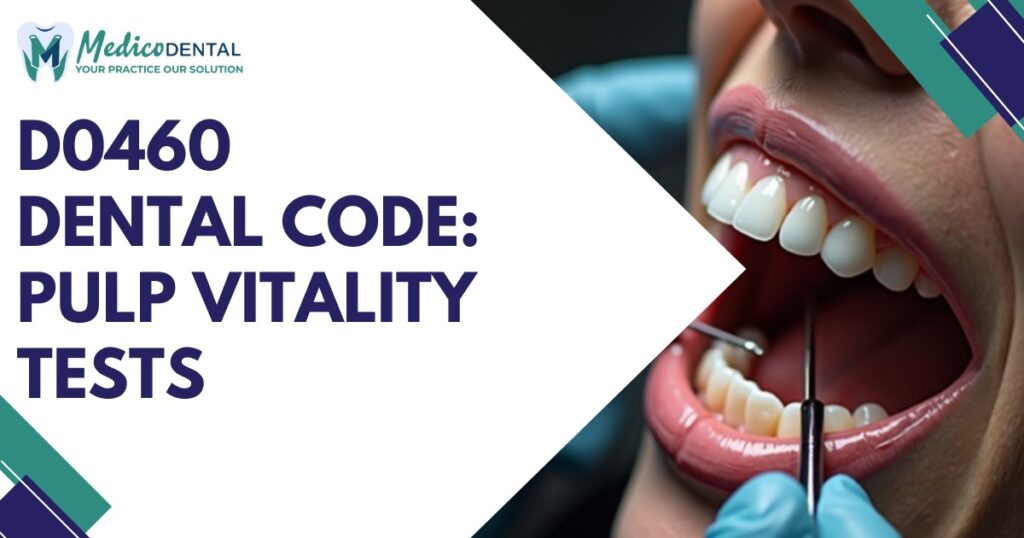
The D0460 dental code is assigned for pulp vitality tests, which are performed to assess the health of the dental pulp, the soft tissue inside the tooth containing nerves and blood vessels. Pulp vitality testing is a critical diagnostic procedure used to determine whether the pulp is alive, inflamed, or necrotic. This evaluation guides treatment decisions, including the need for procedures such as root canals or other endodontic treatments.
D0470, D0480, and other diagnostic codes are closely related to D0460. D0470 refers to diagnostic procedures performed on teeth with suspected pathologies, while D0480 covers other specialized diagnostic tests. Each code serves a specific purpose, and choosing the correct one is essential for accurate documentation and insurance processing. Misapplication of these codes can lead to claim denials, delayed reimbursements, and compliance issues.
Avoiding Coding Errors
Coding errors with D0460 and related diagnostic codes often occur when the procedure performed does not match the documented code, or when insufficient clinical notes fail to justify the test. Common mistakes include using D0460 for teeth without symptoms or failing to distinguish between routine evaluations and diagnostic procedures. To avoid errors, it is important to carefully review the patient’s clinical presentation, document the rationale for testing, and select the code that most accurately reflects the service provided. Proper coding ensures that dental practices maintain compliance with ADA standards while reducing the risk of insurance disputes.
Importance of Accurate Code Selection
Selecting the correct code is critical for ensuring proper insurance reimbursement. Insurance companies rely on accurate documentation and coding to determine coverage, so submitting a claim with the wrong code can result in denials or reduced payments. Accurate code selection also maintains ADA compliance, which is vital for ethical practice, audit readiness, and maintaining the integrity of patient records. For dental teams, understanding the nuances between D0460 and similar diagnostic codes supports efficient practice management, minimizes errors, and ensures patients receive appropriate care without unnecessary delays.
Insurance Coverage for D0460
Insurance coverage for D0460 varies depending on the patient’s plan and whether the procedure is classified as preventive or diagnostic. Typically, pulp vitality tests are considered diagnostic procedures, meaning coverage may depend on demonstrated symptoms, patient history, or previous treatments. Preventive classification is rare, as pulp vitality testing is usually performed in response to suspected dental problems, pain, or trauma.
Insurance policies often include frequency limitations and other rules for D0460. For example, a patient may only be eligible for coverage for one pulp vitality test per tooth per certain time frame, unless there is a clinical justification for additional testing. Understanding these limitations helps dental offices submit claims appropriately and set realistic expectations for patients regarding coverage.
Patients may sometimes need to pay out-of-pocket for D0460 testing. This could occur if insurance denies the claim due to frequency limits, lack of symptoms, or coverage restrictions. Dental offices can estimate costs by reviewing the patient’s plan and informing them of potential responsibilities prior to performing the test. Clear communication about potential self-pay scenarios improves patient satisfaction and prevents billing surprises.
Billing and Documentation Guidelines
Proper billing for D0460 requires thorough documentation and clinical notes. The dentist should record the tooth tested, symptoms observed, the testing method used, and the results of the pulp vitality assessment. These notes provide evidence for insurance claims and justify the use of the code. Accurate coding also supports quality patient care by maintaining a detailed record of diagnostic findings.
Common billing errors with D0460 include failing to document the reason for testing, using incorrect codes, or submitting claims without linking the test to the appropriate diagnosis. These errors often result in claim denials, delayed reimbursement, and administrative inefficiency. Dental staff must ensure that each D0460 test is justified by clinical findings and supported by detailed documentation in the patient record.
To streamline billing and achieve faster reimbursement, dental offices should utilize electronic health record systems. These systems can flag coding inconsistencies, maintain proper documentation templates, and facilitate communication between the dentist and billing team. Coordination between clinical and administrative staff ensures that every claim is accurate, complete, and compliant with insurance and ADA guidelines.
Patient Communication and Education
Explaining pulp vitality testing to patients requires clear, simple language. Dental professionals should describe the procedure as a way to check the “health of the nerve inside the tooth” and clarify that the test helps determine whether the pulp is alive, inflamed, or damaged. Patients often worry about discomfort or potential pain during the test, so it is important to reassure them that the procedure is generally non-invasive and painless. Dentists can explain that results guide treatment decisions, such as whether a tooth requires restorative care, endodontic therapy, or monitoring. Addressing patient concerns openly improves understanding and fosters trust, which is especially important when testing is being performed on symptomatic teeth or after dental trauma.
Informed consent and ethical considerations are fundamental when performing D0460 tests. Patients must fully understand the procedure, its purpose, potential outcomes, and any follow-up treatments that may be needed. Documenting this discussion ensures transparency and provides a record that the patient’s understanding and consent were obtained. Ethical practice demands that patients are never left uncertain about why the test is necessary, how it will be performed, and what the results mean for their oral health.
Real-Life Examples and Case Studies
In one clinical scenario, a patient experienced dental trauma after a minor accident. The dentist performed a pulp vitality test using D0460 to determine whether the pulp in the affected tooth remained viable. The test involved careful application of thermal or electric stimuli to evaluate nerve response. Results indicated that the pulp was inflamed but not necrotic, allowing the dentist to implement a treatment plan that included monitoring and protective restorative measures. Early detection and intervention prevented further complications and preserved the tooth, highlighting the clinical value of D0460 in trauma cases.
Another scenario demonstrates the importance of proper coding and documentation for insurance purposes. A dental office submitted a claim for a D0460 test performed on a patient with a history of dental pain. The initial claim was flagged due to incomplete documentation, resulting in a temporary denial. The office resubmitted the claim with detailed clinical notes justifying the test, including the tooth evaluated, the method used, and the patient’s symptoms. The claim was subsequently approved, emphasizing that accurate coding, thorough documentation, and alignment with ADA guidelines are critical for successful reimbursement and avoiding administrative delays.
Best Practices for Dental Professionals
Dental professionals should stay updated with ADA guidelines related to D0460 and other diagnostic codes. Regular review of coding updates, documentation requirements, and insurance policies ensures compliance and reduces the risk of claim denials. Proper documentation includes recording the patient’s history, clinical findings, method of pulp vitality testing, and the results, along with any recommended follow-up or treatment plans.
Improving patient care involves not only performing accurate pulp vitality assessments but also educating patients about the procedure and its importance. Coordinating with the billing team ensures that claims are submitted correctly, electronic health records are properly maintained, and the office workflow remains efficient. These practices maximize insurance reimbursement, support audit readiness, and enhance overall patient satisfaction.
Conclusion
The D0460 dental code is an essential part of diagnostic dentistry, particularly for pulp vitality testing. Effective patient communication, clear documentation, and proper coding practices are key to providing high-quality care, achieving insurance compliance, and ensuring timely reimbursement. Real-life cases demonstrate how D0460 supports early diagnosis, appropriate treatment planning, and successful insurance claims. For dental professionals, mastering the use of this code enhances practice efficiency and patient outcomes, while patients benefit from informed care and preventive monitoring. By prioritizing transparency, adherence to guidelines, and accurate record-keeping, dental teams can maximize the benefits of D0460 for all stakeholders.