In the realm of modern dentistry, codes such as D2332 play an essential role in streamlining processes for both dental professionals and patients. These codes are part of the Current Dental Terminology (CDT) system, which helps identify and classify dental procedures for billing, insurance claims, and treatment documentation. The D2332 code, in particular, is linked to anterior resin fillings—a commonly performed procedure. Understanding this code is crucial for both patients and professionals to ensure proper treatment, accurate billing, and appropriate insurance reimbursement. This guide will provide a comprehensive overview of the D2332 dental code, focusing on its significance, application, and what it means for you as a patient or practitioner.
What is the D2332 Dental Code?
Defining the D2332 Code: A Closer Look
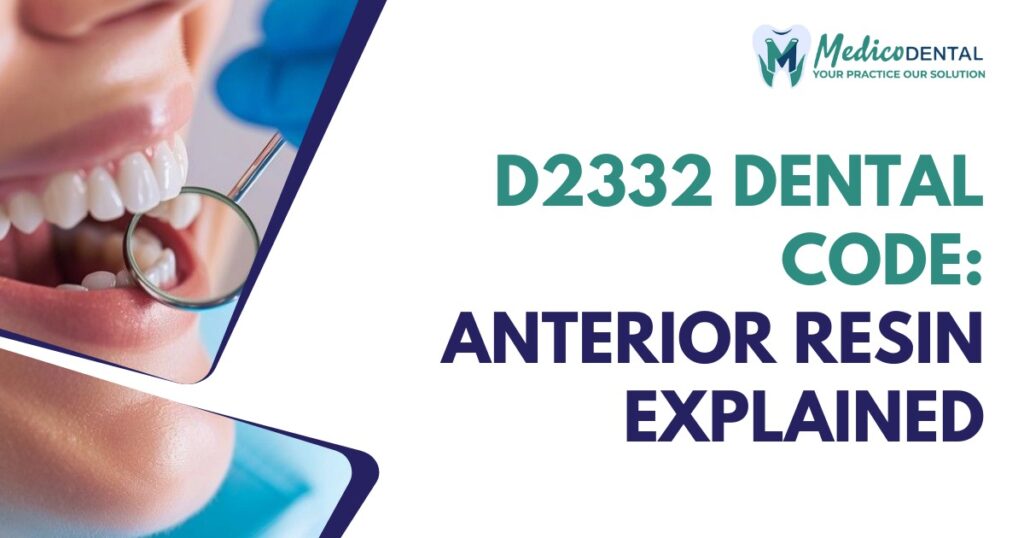
The D2332 dental code refers specifically to a dental procedure that involves restoring two surfaces of an anterior tooth with composite resin material. Anterior teeth are those visible when you smile or talk, including the incisors and canines. These teeth are located at the front of the mouth and are crucial for both aesthetic appearance and functional bite alignment.
Composite resin fillings (often referred to as “white fillings”) are designed to match the natural color of the teeth, making them ideal for front teeth restorations. The D2332 code applies when two adjacent surfaces of an anterior tooth need restoration due to decay, damage, or wear. The procedure involves the use of a composite resin, which is carefully molded to restore the tooth’s original shape and function.
Why the D2332 Code Matters in Dentistry
The D2332 code serves as an essential part of the billing and treatment planning process. For dental professionals, it helps accurately document and categorize the procedure performed, ensuring a consistent and standardized approach to treatment. This makes it easier to track patient care, predict outcomes, and communicate effectively within the dental team.
For insurance purposes, the D2332 code is key to ensuring that insurance claims are processed smoothly. The precise classification of the procedure allows insurance companies to understand exactly what treatment was provided and reimburse accordingly. For patients, understanding this code ensures that they are aware of the type of procedure they are undergoing and can navigate potential costs and insurance coverage effectively.
What is an Anterior Resin Filling?
Understanding Anterior Resin Fillings
Anterior resin fillings are used to restore cavities or damage in the front teeth—the teeth that are visible when you smile or speak. The filling material used for this procedure is composite resin, a tooth-colored material that blends seamlessly with the natural color of the tooth, providing a more aesthetic result compared to other filling types, like amalgam (silver) fillings.
The resin material is applied to the tooth in layers and hardened with a special light. The dentist shapes and polishes the resin to match the natural contours of the tooth. This results in a restoration that is virtually indistinguishable from the surrounding natural teeth.
Benefits of Choosing Anterior Resin Fillings
Anterior resin fillings offer a range of benefits, making them a popular choice for restoring front teeth:
-
Aesthetic Appeal: The primary advantage of composite resin fillings is their ability to blend perfectly with natural tooth color, making them virtually invisible. This is especially important for patients who want a more natural look in their smile.
-
Conservative Restoration: Composite resins require less removal of the natural tooth structure compared to other materials, such as amalgam. This helps preserve more of the original tooth and strengthens it.
-
Durability: Resin fillings are durable, especially for less aggressive forms of tooth decay. They can withstand normal chewing forces and, with proper care, can last many years.
-
Versatility: Resin fillings can be used to repair not just cavities but also minor chips or fractures in front teeth. They can also be shaped to improve the appearance of slightly misshapen teeth.
-
Functional: The material used in resin fillings mimics the natural characteristics of teeth, so it doesn’t just look good—it also functions well, ensuring that the tooth maintains its integrity for everyday activities like eating and speaking.
How the D2332 Code Applies to Anterior Resin Fillings
When to Use the D2332 Code for Anterior Resin Fillings
The D2332 code is specifically used for two-surface composite resin fillings in anterior teeth. It is typically used in the following circumstances:
-
Cavities: When a patient has decay affecting two adjacent surfaces of a front tooth.
-
Cracks or Chips: When a front tooth has a fracture that affects two surfaces.
-
Wear and Tear: For teeth that have been worn down due to grinding (bruxism) or other forms of wear, requiring restoration of two surfaces.
If a patient only needs a single-surface filling, the corresponding code would be D2330 (for a one-surface restoration). The D2332 code is applied when the filling spans two surfaces of the anterior tooth, either side-by-side or involving the front and top surfaces.
Procedure Overview for Anterior Resin Fillings (D2332)
The process for placing an anterior resin filling using the D2332 code generally follows these steps:
-
Diagnosis and Preparation: The dentist examines the affected tooth and takes X-rays if necessary to assess the extent of decay or damage. The tooth is numbed with a local anesthetic to ensure patient comfort during the procedure.
-
Cleaning and Shaping: The decayed or damaged areas of the tooth are removed using dental instruments. This step ensures that the remaining tooth structure is clean and free of any bacteria.
-
Etching and Bonding: The tooth surface is etched using an acidic solution to create a rough surface. This helps the resin bond securely to the tooth. A bonding agent is then applied.
-
Filling the Tooth: The composite resin is applied in layers, with each layer being hardened using a special curing light. The dentist carefully shapes and molds the resin to match the contours of the natural tooth.
-
Polishing: Once the resin is fully hardened, the dentist smooths and polishes the filling to restore the tooth’s natural shine and function. The filling is checked for proper bite alignment.
-
Aftercare: The patient is given instructions on how to care for their new filling and maintain good oral hygiene.
Cost of Anterior Resin Fillings Under the D2332 Code
How Much Do Anterior Resin Fillings (D2332) Cost?
The cost of D2332 anterior resin fillings can vary based on several factors. On average, the cost for a D2332 procedure ranges between $150 and $400 per tooth. Prices can fluctuate depending on the region, the complexity of the case, and the experience of the dentist.
Factors Influencing the Cost of D2332 Fillings
Several factors can affect the overall cost of anterior resin fillings, including:
-
Geographic Location: The cost of dental care can vary significantly depending on where you live. Major cities or areas with a higher cost of living typically charge more for dental services.
-
Dentist’s Expertise: Dentists with more experience or those with specialized training may charge higher fees for their expertise.
-
Tooth Condition: The complexity of the filling, such as the size of the cavity, whether the tooth has extensive decay, or if other procedures are needed, can increase the cost.
-
Insurance Coverage: Insurance can offset some of the costs, but the level of coverage varies by plan. Patients should check their benefits and understand their deductible and co-payment.
Insurance and Reimbursement for the D2332 Code
Is D2332 Covered by Dental Insurance?
Many dental insurance plans do cover D2332 anterior resin fillings, as they are considered a standard restorative procedure. However, coverage can vary depending on the insurance provider, the patient’s specific plan, and whether the procedure is deemed medically necessary. Cosmetic treatments may not be fully covered under some plans, so it’s essential for patients to check with their insurance company beforehand.
How to Maximize Insurance Benefits for D2332 Fillings
To make the most of your insurance benefits for D2332 fillings, consider these tips:
-
Pre-Authorization: Before proceeding with the treatment, request pre-authorization from your insurance company to ensure coverage.
-
Submit Detailed Documentation: Ensure that your dentist provides all the necessary documentation, such as X-rays and a description of the treatment plan, to facilitate the claims process.
-
Understand Your Coverage: Familiarize yourself with your insurance policy’s terms, including coverage limits, co-payments, and deductibles, so you can plan for any out-of-pocket costs.
-
Appeal Denials: If your insurance claim is denied, don’t hesitate to appeal. Sometimes, additional information or clarification from your dentist can help get the claim approved.
D2332 vs Other Dental Codes: How It Stands Out
D2332 vs D2330: Comparing One-Surface and Anterior Resin Fillings
When it comes to dental coding, the D2332 code is often compared with similar codes, especially D2330. The primary difference between D2332 and D2330 lies in the number of surfaces treated and the complexity of the restoration.
-
D2330: This code is used for one-surface anterior resin fillings. This typically applies when a cavity or damage affects only a single surface of an anterior tooth, such as the front or side of the tooth. It is the simplest form of restoration and requires less material and time compared to multi-surface restorations.
-
D2332: This code is used for two-surface anterior resin fillings. It applies when decay or damage affects two adjacent surfaces of an anterior tooth. This restoration requires more composite material and may take slightly longer to perform than a one-surface filling.
In summary, D2330 is appropriate when only one surface of an anterior tooth is affected, while D2332 is the code to use when there is damage or decay involving two surfaces of the tooth.
When to Use D2332 Over Other Resin Codes
While D2332 specifically refers to anterior resin fillings involving two surfaces, there are other codes that apply to different types of resin restorations, such as D2391 (one-surface posterior filling) or D2392 (two-surface posterior filling).
Choosing D2332 over other codes comes down to the following considerations:
-
Location of the Tooth: The D2332 code is specifically for anterior teeth, which are the front teeth visible when a person smiles. If the filling is for a posterior (back) tooth, a different code, such as D2392 for a multi-surface posterior filling, would apply.
-
Number of Surfaces Involved: The D2332 code is used when two adjacent surfaces of an anterior tooth need restoration. If only one surface is affected, D2330 would be the appropriate code. If more than two surfaces are affected, you would need to consider other codes based on the specific procedure.
Understanding when to use D2332 versus other codes ensures proper documentation, accurate billing, and appropriate insurance claims.
Common Applications for the D2332 Code in Dentistry
Common Dental Conditions Treated with D2332 Anterior Resin Fillings
The D2332 code is often used for a variety of dental conditions affecting the anterior teeth. Some of the most common issues treated with this code include:
-
Cavities: If a cavity affects two surfaces of a front tooth, it requires a more extensive restoration, and the D2332 code is used to bill for the procedure.
-
Fractures or Chips: Accidental fractures or chips to the anterior teeth, especially those that affect two adjacent surfaces, can be repaired using composite resin, and D2332 is the appropriate code.
-
Wear from Grinding (Bruxism): Teeth grinding can cause wear and tear on the front teeth, often affecting two surfaces. In this case, D2332 may be used to restore the tooth’s shape and function.
-
Cosmetic Improvements: Anterior teeth with minor cosmetic flaws, such as slight chips or uneven surfaces, can be restored with D2332 to enhance both function and appearance.
Why Dentists Choose D2332 for Front Teeth Restorations
Dentists often choose anterior resin fillings for several reasons:
-
Aesthetic Considerations: Front teeth are highly visible, so patients usually prefer tooth-colored fillings for aesthetic reasons. Composite resin, used in D2332, can be matched to the natural shade of the tooth, making it virtually invisible.
-
Conservative Approach: Composite resins bond directly to the tooth, requiring less removal of healthy tooth structure than amalgam fillings. This helps preserve the integrity of the natural tooth.
-
Durability and Strength: Resin fillings are durable and can withstand normal chewing forces in the anterior teeth, which aren’t subjected to the same level of pressure as the molars. Resin materials are also resistant to staining, helping maintain the tooth’s appearance over time.
-
Patient Satisfaction: Many patients prefer resin fillings for their front teeth because they offer both functional restoration and cosmetic benefits. This preference for natural-looking restorations makes D2332 a common choice in dental practices.
Proper Coding and Billing Practices for D2332
How to Accurately Code for D2332 in Dental Billing
For dental professionals, it’s important to ensure that the D2332 code is used correctly in billing systems to avoid delays or rejections in insurance claims. Here’s how to accurately code for D2332:
-
Document the Diagnosis: Record the clinical diagnosis, including whether the patient has a cavity, fracture, or other dental issue affecting two surfaces of an anterior tooth.
-
Confirm the Number of Surfaces: Verify that the restoration involves two surfaces of the anterior tooth. If only one surface is affected, use D2330. For more than two surfaces, select the appropriate code for multi-surface fillings.
-
Use Accurate Descriptions: Include specific details of the treatment performed, such as the tooth number (e.g., upper right central incisor) and the surfaces involved (e.g., mesial and incisal).
-
Verify Insurance Coverage: Before billing, ensure that the procedure is covered by the patient’s insurance plan. Some plans may have specific rules regarding the use of resin fillings for front teeth.
-
Ensure Correct Materials and Treatment: Make sure the resin material used is appropriate for the procedure and the surfaces involved, as insurance companies may inquire about the materials used.
Avoiding Common Billing Errors for D2332
Several common mistakes can occur when billing for D2332:
-
Incorrect Surface Classification: Using the D2332 code for a one-surface filling or misclassifying the number of surfaces treated can result in claims being denied or delayed. Always double-check the number of surfaces involved before using this code.
-
Failure to Document Properly: Inadequate documentation or a lack of supporting details (such as X-rays or clinical notes) can lead to billing errors. Ensure that all necessary information is included to substantiate the treatment performed.
-
Using the Wrong Code for Posterior Teeth: D2332 is for anterior teeth only. If the filling is for a posterior tooth, use the corresponding code, such as D2392 for a two-surface posterior filling.
By following proper coding and documentation practices, dental professionals can avoid billing errors and ensure accurate reimbursement for their services.
Conclusion: The Importance of Understanding the D2332 Dental Code
Recap of Key Information
The D2332 dental code is crucial for accurately documenting and billing for two-surface anterior resin fillings. This procedure is commonly used to treat cavities, chips, and fractures in the visible front teeth, providing a functional and aesthetically pleasing result. Understanding this code ensures that dental professionals can offer the appropriate treatment while also ensuring correct billing and insurance reimbursement.
Final Thoughts on the Role of Anterior Resin Fillings in Dentistry
The D2332 code plays a key role in modern dentistry by helping to standardize procedures, improve treatment outcomes, and ensure that patients receive both functional and cosmetic care for their front teeth. Whether it’s restoring a cavity or improving the appearance of damaged teeth, anterior resin fillings offer an excellent solution that balances aesthetics, durability, and cost-effectiveness. By understanding the ins and outs of this code, dental professionals and patients can work together to ensure optimal outcomes and smooth insurance processing.
FAQs
What Does D2332 Mean in Simple Terms?
Ans. In simple terms, D2332 refers to the restoration of two surfaces of a front tooth using a composite resin filling. It’s commonly used when there is decay, damage, or wear affecting two surfaces of an anterior tooth, and it helps restore the tooth’s appearance and function.
Can I Get a D2332 Filling for Any Front Tooth?
Ans. No, D2332 is only used for two-surface anterior fillings. It applies when a cavity, crack, or chip affects two adjacent surfaces of a front tooth. For a single-surface filling, the D2330 code would be used. For more complex restorations involving three or more surfaces, other codes would be appropriate.
Is D2332 the Best Option for My Front Teeth Restoration?
Ans. Whether D2332 is the best option depends on the type and extent of damage or decay in your front teeth. D2332 is an excellent choice for most cases where two surfaces need restoration, but your dentist may recommend other materials or treatment options if the damage is severe or if a more durable solution is needed.