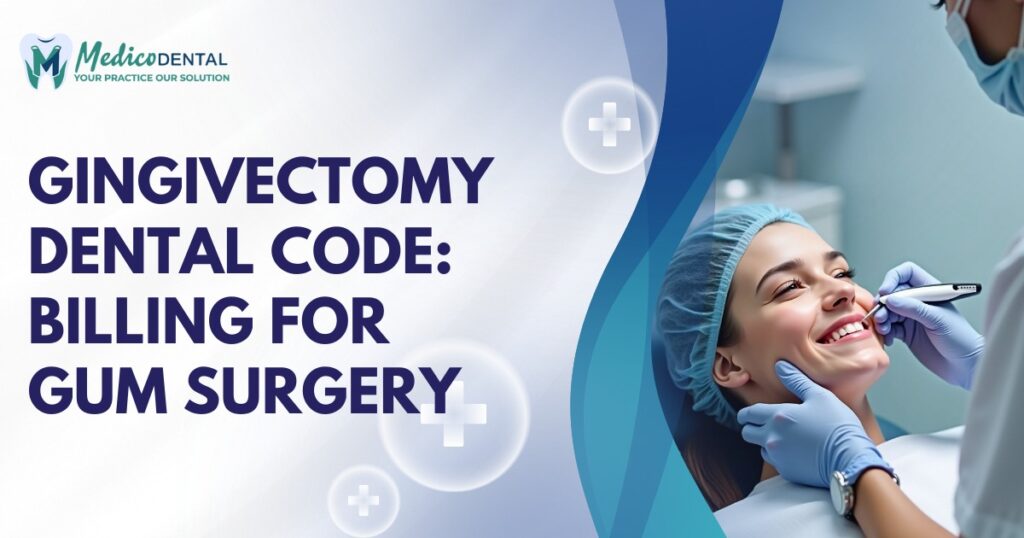
A gingivectomy is a dental surgical procedure involving the removal of gum tissue to treat certain gum diseases or to improve the aesthetic appearance of the gums. While the procedure itself is critical for improving a patient’s oral health, ensuring proper billing for gingivectomy procedures is equally important for dental practices. Accurate billing ensures that practices are reimbursed for the work performed and prevents issues like claim denials or audits.
This guide will walk you through everything you need to understand about gingivectomy and its associated dental codes, focusing on how to use them correctly for billing purposes. By the end of this guide, you’ll have a clear understanding of the gingivectomy dental code, its importance in dental billing, and how to ensure proper reimbursement.
What is a Gingivectomy?
A gingivectomy is a procedure designed to remove or reshape excess gum tissue, primarily for the treatment of gum disease or to improve the appearance of the gums. The procedure can be done for several reasons:
-
Periodontal disease treatment: When gums become infected and inflamed due to bacteria, the tissue can become swollen, receded, or puffy. Gingivectomy helps eliminate infected tissue and creates a healthy environment for healing.
-
Excess gum tissue: Some individuals may have an excess of gum tissue (a condition known as gingival hyperplasia) that can cause cosmetic concerns, such as a “gummy smile.” Gingivectomy helps to reshape the gums, improving aesthetics and functionality.
The Importance of Proper Billing for Gum Surgery
Proper billing for gingivectomy and other gum-related surgeries is critical for both the dental practice and the patient. Here are some key reasons why:
-
Ensures Proper Reimbursement: Incorrect or unclear billing can lead to delayed or denied claims, which can harm the practice’s cash flow.
-
Prevents Audits: Incorrect coding or overbilling can trigger audits by insurance companies, leading to potential legal and financial consequences for the practice.
-
Compliance and Ethics: Accurate billing ensures compliance with insurance and legal requirements, avoiding issues related to fraud or negligence.
Overview of This Guide: Understanding the Gingivectomy Dental Code
This guide will focus on helping dental practitioners understand:
- What gingivectomy is and its common indications.
- The gingivectomy dental codes, including how to use them correctly.
- The importance of accurate billing for gingivectomy procedures.
- Step-by-step instructions for billing the procedure effectively.
By understanding these aspects, dental professionals will ensure smoother operations in their practice and provide clarity for patients about their insurance coverage.
Understanding Gingivectomy and Its Purpose
Defining Gingivectomy: What Is It and Why Is It Performed?
Gingivectomy is a surgical removal of the gum tissue to treat periodontal conditions or enhance cosmetic outcomes. It’s often used when:
-
Periodontal disease has caused the gums to become diseased and inflamed. Removing the damaged tissue allows for better oral hygiene and gum health.
-
Excess gum tissue has led to an overly “gummy” smile. Removing the excess tissue enhances the patient’s appearance and improves the functionality of the gums, especially around the teeth.
The purpose of the procedure is to improve overall oral health, prevent further gum deterioration, and provide a cleaner and more functional gumline.
Common Indications for Gingivectomy
The procedure is most commonly performed for the following reasons:
-
Periodontal disease: Gingivectomy is often used in cases of moderate to severe periodontal disease to remove infected or overgrown gum tissue.
-
Cosmetic enhancement: Some patients opt for a gingivectomy to reshape their gums, especially if they have a gummy smile or excessive gum tissue covering their teeth.
-
Gingival overgrowth: Certain conditions, such as certain medications (e.g., phenytoin for epilepsy), can cause gum overgrowth, requiring a gingivectomy for restoration.
How Gingivectomy Differs from Other Gum Procedures
While gingivectomy is focused on removing excess or diseased tissue, it differs from other common gum procedures:
-
Gingival flap surgery: Unlike gingivectomy, which involves the removal of tissue, gingival flap surgery involves lifting the gum tissue to access the tooth roots and underlying bone for more invasive periodontal treatment. The gum tissue is then repositioned.
-
Scaling and root planing (SRP): This procedure is a non-surgical option used to treat gum disease by cleaning below the gum line, while gingivectomy may be required when there is significant tissue overgrowth or infection that cannot be treated through SRP alone.
What is the Gingivectomy Dental Code?
The gingivectomy dental code is an alphanumeric code used by dental professionals to classify and bill for the procedure under dental insurance plans. These codes are essential for ensuring that the procedure is correctly billed and reimbursed by the patient’s insurance provider.
The standard gingivectomy codes are:
-
D4260: Gingivectomy or gingivoplasty – per quadrant. This code is used when the procedure involves the removal or reshaping of gum tissue in one quadrant of the mouth.
-
D4261: Gingivectomy or gingivoplasty – per tooth. This code is used when the procedure is performed on a specific tooth or teeth.
How to Identify and Use the Correct Code for Gingivectomy
The correct code should be chosen based on:
-
Location: Whether the procedure is being done on a quadrant (D4260) or a specific tooth (D4261).
-
Procedure complexity: Gingivectomy may be done in multiple stages, depending on the severity of gum disease or the amount of tissue removal needed.
Differentiating Gingivectomy Codes from Other Related Dental Codes
While gingivectomy codes are used specifically for gum tissue removal, there are several other dental codes that may overlap in the treatment of periodontal issues:
-
D4341/D4342 (Scaling and Root Planing): Used for non-surgical treatment to clean teeth below the gumline.
-
D4240 (Crown Lengthening): This code is used when gum tissue is removed for restorative purposes, such as making room for a crown, different from the aesthetic-focused purpose of a gingivectomy.
It’s essential to differentiate between these codes to ensure proper billing.
The Importance of Accurate Billing for Gingivectomy Procedures
Proper billing for gingivectomy procedures is not only vital for maintaining practice cash flow but also to avoid risks such as denied claims or audits.
Impact of Misbilling on Reimbursement and Practice Cash Flow
Incorrect coding can lead to:
-
Denied or delayed claims: If the wrong code is used, the insurance company may deny the claim, leading to a delay in reimbursement and potential frustration for both the patient and the dental office.
-
Inaccurate reimbursement: Incorrect coding can result in receiving less reimbursement than what the procedure warrants, affecting the financial health of the practice.
The Risk of Denied Claims and Audits in Gum Surgery Billing
Insurance companies routinely audit dental practices for accuracy in billing. Misuse of codes, like billing for a procedure that wasn’t performed, can lead to audits. If discrepancies are found, it may result in fines, penalties, or loss of insurance contract privileges.
Legal and Ethical Considerations in Proper Billing for Gingivectomy
Practices must adhere to ethical standards in billing. Misrepresenting procedures or overbilling can lead to serious legal consequences, including accusations of fraud. Ensuring that the correct code is used helps maintain compliance with both legal and ethical guidelines.
Step-by-Step Guide to Billing the Gingivectomy Dental Code
1. Understanding the Gingivectomy Codes (CPT/HCPCS)
Dental codes for gingivectomy are under the CPT (Current Procedural Terminology) system. Here’s what you need to know:
-
D4260 and D4261 are commonly used in billing for gingivectomy procedures.
-
Ensure you use the correct code depending on the quadrant or tooth involved.
2. Verifying the Patient’s Insurance Coverage
Before proceeding with a gingivectomy, it’s essential to:
-
Verify insurance coverage: Different insurance plans may cover certain aspects of gum surgery, so it’s crucial to confirm the patient’s policy.
-
Check if pre-authorization is needed: Some insurance policies may require pre-authorization for surgical procedures like gingivectomy.
3. Documenting the Gingivectomy Procedure Properly
Thorough documentation is crucial for accurate billing and preventing claim denials. Proper documentation should include:
-
Patient history: Document the reason for the procedure, such as gum disease or excess gum tissue.
-
Surgical notes: Include details about the procedure, such as which area of the mouth was treated, how much tissue was removed, and any complications or follow-up care.
Accurate documentation ensures that the procedure is correctly coded and helps with any potential audits or claim disputes.
Step-by-Step Process for Filing Claims for Gingivectomy Surgery
Filing claims for gingivectomy procedures can be challenging if you’re not familiar with the detailed coding system and the insurance providers’ specific requirements. Here’s a step-by-step guide to ensure a smooth and accurate claims submission process:
-
Gather All Necessary Documentation:
-
Before submitting a claim, make sure you have a complete record of the procedure, including the diagnosis and treatment plans.
-
Obtain the necessary pre-operative and post-operative photographs or notes, as required by insurance companies.
-
-
Verify Patient Insurance Coverage:
-
It’s crucial to verify the patient’s insurance coverage before proceeding with the procedure. Check their eligibility for periodontal coverage and ensure the gingivectomy is a covered service.
-
Confirm any required pre-authorization or referral documents if necessary.
-
-
Accurate Coding:
-
Use the correct CPT or ICD-10 codes for gingivectomy. The CPT code for gingivectomy typically used is 41800 (Excision of Gingiva, gingivectomy or gingivoplasty).
-
Verify the extent of the surgery (partial or full) as this affects the coding.
-
Include adjunct codes for other procedures or services provided during the surgery, such as anesthesia or post-operative care.
-
-
Complete the Claim Form:
-
Insurance companies will require specific claim forms, such as the CMS-1500 form for non-hospital claims. Fill out all relevant fields, ensuring accurate procedure codes, patient details, diagnosis codes, and dates of service.
-
-
Submit to the Insurance Provider:
-
After completing the claim, submit it via the provider’s preferred method (electronic or paper). Electronic claims are faster and less prone to errors.
-
If submitting a paper claim, ensure it is mailed to the appropriate address and keep a copy for your records.
-
-
Track the Claim:
-
Once submitted, track the claim to ensure it is processed in a timely manner. Use the insurance provider’s tracking system or call their customer service for status updates.
-
Common Mistakes to Avoid in Gingivectomy Billing Submissions
Filing gingivectomy claims can be tricky, but avoiding these common mistakes can help ensure your submission is processed without issues:
-
Misidentifying the Procedure:
-
One of the most common mistakes in gingivectomy billing is misidentifying the procedure. It’s essential to understand the difference between gingivectomy and other similar gum procedures like gingivoplasty or flap surgery. The codes for these procedures are different and must be correctly matched to avoid claim rejections.
-
-
Incorrect Coding for the Extent of the Procedure:
-
Gingivectomy can be a full or partial procedure, and incorrect coding of the extent of the surgery can lead to denials or incorrect reimbursements. Ensure that you are using the correct CPT code for the scope of the procedure performed.
-
-
Failure to Use the Correct Adjunct Codes:
-
If the gingivectomy is combined with other treatments, such as scaling, root planning, or anesthesia, be sure to use the correct adjunct codes to reflect these additional services. Failure to do so can lead to under-reimbursement or delayed payment.
-
Tips for Following Up on Claims and Handling Denials or Rejections
Even after submitting your claim, it’s essential to stay proactive in tracking its progress and addressing any issues that arise.
-
Track Claims Regularly:
-
Regularly check the status of your claims through your practice management software or the insurance provider’s online portal. Prompt follow-up can help you avoid unnecessary delays.
-
-
Review Denial Codes:
-
If your claim is denied, thoroughly review the denial reason. Most denials come with a code explaining why the claim was rejected. This will guide you in making the necessary corrections.
-
-
Appeal Denied Claims:
-
If you believe the denial was incorrect, appeal the decision. Provide any missing documentation or clarify any errors in coding or information. This can often lead to the claim being reconsidered.
-
-
Consider Patient Responsibility:
-
If the patient has a high deductible or limited coverage, they may be responsible for some of the costs. Be transparent about this upfront to prevent misunderstandings.
-
Common Mistakes in Billing the Gingivectomy Dental Code
Correct coding is crucial for successful billing. Common mistakes that can lead to claim rejections include:
-
Misidentifying the Procedure:
-
Gingivectomy is distinct from other types of gum surgery. Procedures like gingivoplasty, crown lengthening, or flap surgery each require different codes.
-
-
Incorrectly Coding the Extent of Surgery:
-
The extent of the procedure (full or partial) determines the specific code to use. Ensure that the correct procedure description is used to match the work performed.
-
-
Failure to Use Adjunct Codes for Additional Services:
-
Adjunct codes for anesthesia, post-operative care, or other treatments should be included if applicable. Not doing so can result in incomplete reimbursement.
-
Best Practices for Efficient Gingivectomy Billing
To ensure timely and accurate billing for gingivectomy procedures, it’s essential to streamline the process. Below are some best practices to help:
-
Invest in Dental Billing Software:
-
Dental-specific billing software can help streamline the billing process by automatically updating codes and simplifying claims submissions. Look for software that integrates with your practice management system and supports e-claims.
-
-
Stay Updated on Changes to Codes:
-
Dental codes, especially those for periodontal treatments, are updated regularly. Stay current by regularly reviewing updates from the ADA and other dental associations to ensure you’re using the latest codes.
-
-
Train Your Team:
-
Proper training for your billing staff can prevent errors and reduce the number of claim rejections. Ensure they are well-versed in gingivectomy coding and familiar with the latest guidelines.
-
-
Document Thoroughly:
-
Proper documentation is essential for successful billing. Keep detailed records of each procedure, including pre- and post-operative photographs and notes. This documentation can help clarify any confusion and assist in the event of an audit or appeal.
-
Streamlining the Billing Process for Gum Surgery
Efficient billing can significantly improve cash flow for your practice. Here are a few strategies for streamlining the gingivectomy billing process:
-
Automate Documentation: Use digital charts and notes to capture all necessary information, reducing the chances of manual errors.
-
Outsource Billing: If billing and coding seem too complicated or time-consuming, consider outsourcing your billing to a specialized service that handles dental claims. This can free up your staff to focus on patient care.
-
Regular Audits: Conduct regular audits of your billing practices to identify recurring issues and ensure that you’re following best practices.
Recommended Billing Software and Tools for Gingivectomy Codes
Investing in billing software specifically designed for dental practices can save time and prevent errors. Some recommended software options include:
-
Dentrix: A comprehensive dental practice management software that includes billing, scheduling, and patient record management.
-
Open Dental: An open-source dental practice management software with strong billing capabilities.
-
Carestream Dental: Offers a range of dental software solutions, including billing tools tailored to gingivectomy and other periodontal procedures.
-
EZDental: A simplified software solution for small practices that need basic billing and coding functionality.
How to Stay Updated on Changing Dental Codes and Guidelines
Staying current with the ever-evolving codes and guidelines is crucial for maintaining accuracy in billing. Here are a few tips:
-
Subscribe to Updates from Dental Associations:
-
The American Dental Association (ADA) and other professional organizations regularly publish updates to dental codes. Stay subscribed to their newsletters and resources.
-
-
Participate in Continuing Education:
-
Dental billing and coding courses are available to help you stay updated on the latest guidelines and best practices. Continuing education can also help your team avoid common mistakes.
-
-
Use Code Lookup Tools:
-
Many dental software platforms and coding manuals include real-time code lookup tools. These can help you check the correct codes before submitting claims.
-
The Impact of Proper Gingivectomy Billing on Your Dental Practice’s Financial Health
Accurate and timely billing for gingivectomy procedures directly impacts your practice’s cash flow. Here’s why:
-
Improved Reimbursement Rates: Correctly coded claims are less likely to be rejected or underpaid, resulting in higher reimbursement.
-
Fewer Denials: By using the correct codes and submitting complete documentation, the number of denied claims is reduced, improving overall claim approval rates.
-
Streamlined Cash Flow: Efficient billing and quick reimbursements allow your practice to maintain healthy cash flow and reduce the time spent chasing payments.
How Correct Coding Improves Cash Flow and Reduces Denials
Correct coding ensures that your practice gets paid accurately and promptly for the services provided. Here’s how it can impact cash flow:
-
Avoiding Rework: Incorrectly submitted claims lead to rework and resubmission. This can delay payments and add administrative costs. Proper coding eliminates this.
-
Maximizing Reimbursement: Correct coding helps ensure your practice gets reimbursed for the full extent of the procedure.
-
Minimizing Errors: The fewer errors in your claims, the fewer denials and delays you’ll encounter, leading to quicker payments.
Case Study: Successful Billing for Gingivectomy in Dental Practices
One dental practice was facing frequent claim denials for gingivectomy procedures due to incorrect coding. After revising their billing process ensuring they were using the correct gingivectomy codes, documenting the full extent of the procedure, and including adjunct codes for anesthesia the practice saw a 40% increase in claim approval rates and a noticeable improvement in cash flow.
Financial Benefits of Proper Documentation and Billing for Gum Surgeries
Accurate billing and documentation not only ensure compliance but also lead to financial benefits, including:
-
Reduced administrative overhead
-
Faster payments from insurance providers
-
Increased patient satisfaction due to fewer billing disputes
Frequently Asked Questions (FAQs)
-
Can a Gingivectomy Be Billed Alongside Other Periodontal Treatments?
Yes, gingivectomy can often be billed with other periodontal treatments, such as scaling and root planing. However, proper coding and justification are essential. -
What If My Patient Has a High Deductible or Limited Insurance Coverage for Gum Surgery?
If your patient has high deductibles or limited coverage, be transparent about costs upfront. You can also offer payment plans or refer them to financial assistance programs if necessary. -
Are There Special Considerations for Billing Gingivectomy for Pediatric Patients?
Pediatric gingivectomies might require different coding or documentation to account for age-specific considerations. Always check with the insurer for any specific pediatric coverage requirements.
Conclusion
Billing for gingivectomy procedures can be complex, but by following proper coding practices, using the right tools, and staying informed, you can streamline the process and improve your dental practice’s financial health. Proper documentation, correct codes, and proactive follow-up are key to ensuring accurate reimbursement and avoiding costly mistakes.