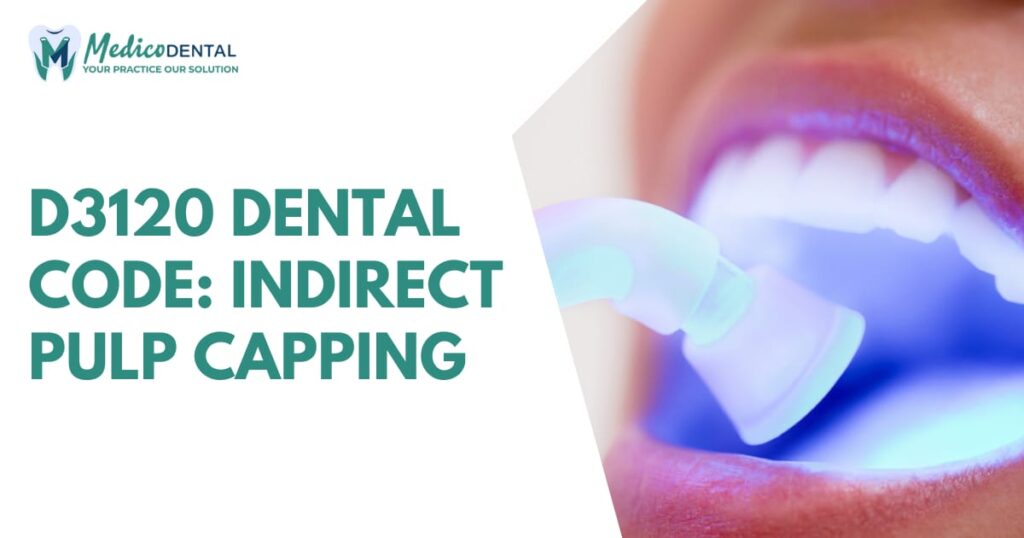
The D3120 dental code is used to identify the procedure of indirect pulp capping, a treatment designed to protect the pulp of a tooth that is close to being exposed due to decay. This procedure allows dentists to save a tooth from more invasive treatments like root canals by removing decayed tissue while preserving the pulp. Understanding the D3120 code is important for both dental professionals and patients, as it ensures accurate insurance billing and proper treatment documentation.
Overview of D3120
The D3120 dental code refers to a specific procedure in dentistry known as “Indirect Pulp Capping.” This code is essential for dental professionals when documenting the treatment for insurance purposes and accurate patient records. The D3120 code is recognized by the American Dental Association (ADA) and is primarily used for indirect pulp capping procedures performed on decayed teeth, typically in the case of cavities near the pulp chamber.
Importance of the Dental Code in Insurance and Treatment
Dental codes like D3120 ensure that patients receive the correct insurance coverage for their procedures. It helps dental offices get reimbursed for the services provided while ensuring proper documentation of the treatment plan and the execution of appropriate care for the patient. Accurate coding can make a significant difference in smooth claim processing and cost management for both dentists and patients.
What is Indirect Pulp Capping?
Definition and Explanation
Indirect pulp capping is a dental procedure aimed at preserving a tooth that is at risk of pulp infection. In this procedure, a dentist removes the decayed portion of a tooth but leaves a thin layer of softened dentin that is near the pulp. This allows the pulp to remain protected while the tooth heals, and it helps avoid the need for more invasive treatments like a root canal.
Role in Dental Procedures
Indirect pulp capping is vital because it allows the dentist to save a tooth that might otherwise require more extensive and costly treatment. The procedure is designed to promote the healing of the tooth, preventing further infection or damage while maintaining the integrity of the pulp.
D3120 Dental Code: Indirect Pulp Capping Explained
Detailed Breakdown of the D3120 Code
The D3120 code specifically refers to the procedure of indirect pulp capping in permanent teeth. When this code is used, it indicates that the treatment involved the careful removal of the decayed tooth material near the pulp, followed by the application of a medicated material to help protect the pulp from infection. This code does not cover direct pulp capping, which is used when the pulp is exposed.
Procedure Involved in Indirect Pulp Capping
The process of indirect pulp capping involves removing most of the decay, but a thin layer of the soft, decayed dentin is left to protect the pulp. A protective material is then placed over the remaining decay to encourage the natural healing process of the tooth, and the tooth is sealed.
Why is D3120 Used?
Indications for Indirect Pulp Capping
D3120 is typically used when a tooth is severely decayed but has not yet reached the pulp. It is ideal when the pulp is at risk but has not been exposed, allowing the dentist to protect it from further damage. This procedure is a preventive measure to avoid the need for more aggressive treatments like root canals.
Benefits for Patients and Dentists
For patients, D3120 offers a way to save a damaged tooth and avoid the need for a root canal, which can be painful, invasive, and expensive. For dentists, using the D3120 code ensures proper billing and the ability to provide less invasive care, preserving the patient’s tooth structure and oral health.
How D3120 Affects Dental Insurance Claims
Billing and Coding Details
The D3120 dental code is essential for insurance claims, as it identifies the indirect pulp capping procedure. Insurance companies often require detailed codes to process claims accurately. Dentists must use this code correctly to ensure that the procedure is covered and that claims are reimbursed in a timely manner.
Insurance Coverage for D3120 Procedures
Insurance companies typically cover the D3120 procedure if the patient’s tooth is in need of indirect pulp capping and the treatment is deemed necessary. Coverage can vary depending on the patient’s plan, so it’s important for patients and dentists to confirm this before proceeding with the procedure to avoid unexpected out of pocket costs.
Indirect Pulp Capping Procedure Step-by-Step
Step-by-Step Guide of the Procedure
Initial Evaluation
The dentist evaluates the extent of the cavity and confirms that the pulp is not exposed.
Decay Removal
The dentist carefully removes the decayed part of the tooth but leaves a thin layer of soft dentin.
Capping Material Application
A medicated material is applied to protect the pulp, followed by a filling to seal the cavity.
Tools and Materials Used
Special dental instruments, such as drills, are used to remove decay, while materials like calcium hydroxide or glass ionomer are typically used for indirect pulp capping. These materials help stimulate the formation of dentin and protect the pulp.
Risks and Considerations for D3120 Treatment
Potential Risks for Patients
While indirect pulp capping is generally safe, risks include the potential for the tooth not healing correctly or for an infection to develop if the decay is not fully removed. There is also a slight chance that the pulp could become exposed, requiring further treatment.
Key Considerations for Dentists
Dentists must carefully assess the amount of decay present and ensure that the remaining dentin is stable enough to protect the pulp. If too much of the tooth is decayed or if the pulp is exposed, indirect pulp capping may not be appropriate, and alternative treatments must be considered.
Alternatives to Indirect Pulp Capping
Other Treatment Options for Pulp Damage
If indirect pulp capping is not possible, alternatives include direct pulp capping or root canal therapy. Direct pulp capping is used when the pulp is exposed, while root canal therapy is necessary when the pulp has become infected.
Comparison to Indirect Pulp Capping
Indirect pulp capping is less invasive and generally preserves more of the tooth’s natural structure compared to a root canal. However, it is only suitable for cases where the pulp is not exposed and there is still some viable tissue.
Conclusion
The D3120 code for indirect pulp capping is a crucial part of modern dentistry. It provides a way to preserve damaged teeth, preventing the need for more extensive procedures. This treatment helps both patients and dentists by offering a minimally invasive alternative to more complex procedures like root canals.
Indirect pulp capping using the D3120 code is a beneficial and cost-effective treatment for preserving teeth that are close to needing more invasive treatment. By understanding the code and the procedure, patients can make informed decisions, and dental professionals can provide the best care possible.
FAQs
Is the D3120 procedure covered by insurance?
Ans. Yes, most insurance plans cover the D3120 procedure, but it’s important to verify coverage with your provider.
Can indirect pulp capping fail?
Ans. While generally successful, indirect pulp capping can fail if decay is not adequately removed or the pulp is exposed during the procedure.
How long does the D3120 procedure take?
Ans. The D3120 procedure typically takes about 30 to 60 minutes, depending on the severity of the decay and the complexity of the tooth.
Is indirect pulp capping the same as a root canal?
Ans. No, indirect pulp capping is a less invasive procedure aimed at preserving the tooth, while a root canal is required if the pulp becomes infected or exposed.