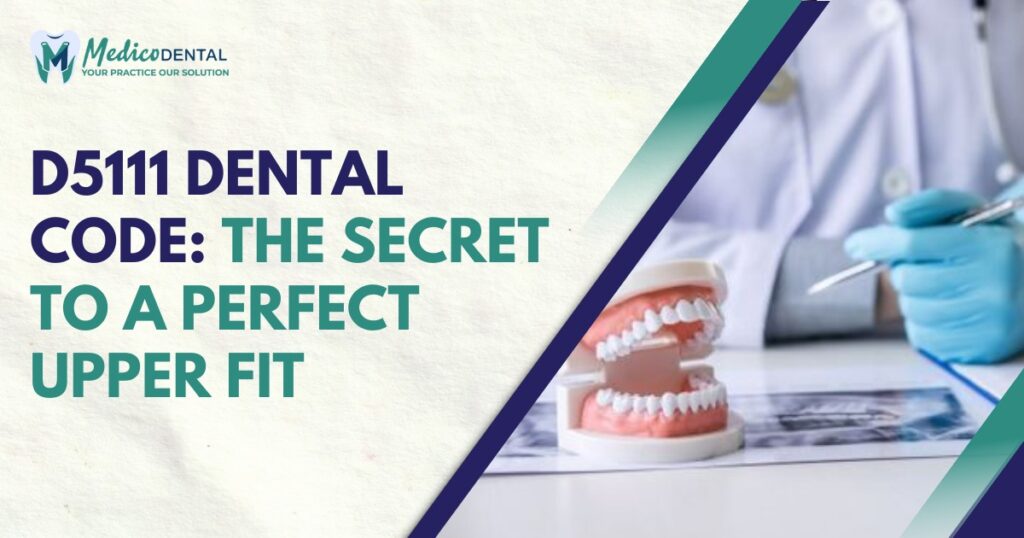
The D5111 dental code is crucial for dental professionals involved in the creation and fitting of upper dentures. It plays a significant role in ensuring the proper treatment and billing for upper dental prosthetics. In this guide, we will delve into the importance of this code, how it works, and why it’s essential for both dentists and patients.
In the world of dental prosthetics, accurate coding is critical to the success of treatments and the smooth operation of dental practices. The D5111 dental code specifically addresses the upper complete denture, which is essential for patients who require a full replacement of their upper teeth. This code is not just a reference for proper billing; it ensures that patients receive the appropriate care, and that the procedure is done efficiently and effectively.
Overview of D5111 Dental Code
The D5111 dental code is part of the American Dental Association’s (ADA) code set for dental procedures. It is designated for the complete upper denture (prosthetic). This code covers the processes involved in fitting, constructing, and placing a complete set of upper dentures. For dentists, using the right dental code ensures accurate reimbursement and a streamlined billing process, while for patients, it ensures they are receiving the appropriate level of care.
Importance of Proper Dental Coding for Upper Dental Prosthetics
Proper dental coding ensures that dental practices can efficiently submit claims for services rendered. For patients, it ensures their insurance covers the treatment, avoiding unexpected out of pocket expenses. Incorrect coding, on the other hand, can lead to claim rejections or delays, disrupting both the financial flow of the practice and the patient’s treatment.
What is the D5111 Dental Code?
The D5111 code refers to a procedure for the fabrication of an upper complete denture, which replaces the full set of upper teeth in the mouth. This procedure typically follows the extraction of the patient’s natural teeth, after which the denture is created to fit the patient’s gum ridge precisely.
Definition and Breakdown of D5111 Dental Code
D5111 is used to document the creation of the upper complete denture. It includes the assessment, preparation, fitting, and adjustment phases, ensuring that the prosthetic will be functional, aesthetically pleasing, and comfortable for the patient. Dentists may need to take precise measurements and molds during this process, which makes the D5111 code crucial for accurate documentation of the procedure.
Key Features and Usage in Dental Practices
The D5111 code is used when fitting a complete upper denture for a patient. It’s used by dental practitioners to bill insurance providers for the construction and fitting of the upper dentures. This code is part of a broader coding system that includes similar codes for lower dentures (D5120) and partial dentures (D5225), helping standardize dental billing and procedures.
Why D5111 Dental Code is Crucial for a Perfect Upper Fit
The D5111 dental code plays a key role in ensuring the proper fit and function of upper dentures. It facilitates the precise creation of dentures that match the patient’s mouth structure, ensuring optimal comfort and function.
How D5111 Ensures a Precise Fit for Upper Dentures
The D5111 dental code is important because it helps document the meticulous steps involved in taking precise impressions of the patient’s gums, crafting the denture, and making adjustments to ensure a secure and comfortable fit. A perfect fit is crucial for avoiding discomfort and ensuring that the dentures perform their function enabling the patient to speak, eat, and smile with confidence.
Benefits of Using D5111 in Dental Procedures
Utilizing the D5111 code ensures that patients receive the correct prosthetic care and that the treatment is properly documented. This documentation is essential for insurance claims, helping practices to receive timely reimbursement for services. It also helps ensure that the patient’s upper denture fits well and functions as expected.
Steps to Implement the D5111 Dental Code in Your Practice
For dental professionals, using the D5111 code is more than just entering a number in the system. It requires a thorough understanding of the procedure and a precise approach to documentation and patient care.
How to Accurately Apply D5111 for Optimal Results
To apply the D5111 code accurately, a dentist must first evaluate the patient’s oral health, take impressions of the upper gums, and then construct the denture based on these impressions. This is followed by trial fittings and any necessary adjustments. Each step of the procedure should be properly documented to justify the use of the D5111 code.
Common Mistakes to Avoid During the Process
Some common mistakes in the application of the D5111 code include failing to capture accurate impressions, not allowing enough time for patient adjustment, and neglecting to document all the steps involved in the procedure. These errors can result in billing mistakes, insurance issues, or discomfort for the patient. Each of the steps should be followed thoroughly toward the best possible result.
Key Benefits of D5111 Dental Code for Dentists and Patients
For both dental practitioners and their patients, using the D5111 dental code offers several advantages.
Enhanced Accuracy and Patient Comfort
With the D5111 code, dentists can ensure that their patients receive a highly accurate and well fitted upper denture. A precise fit means greater comfort, improved functionality, and a more aesthetically pleasing result. For patients, this means a better quality of life post procedure.
Faster Processing and Better Outcomes
By using the D5111 code correctly, dentists can avoid delays in processing claims and get reimbursed more quickly. The proper documentation also helps speed up the entire process, from the initial consultation to the final fitting, ensuring that patients experience a smooth and efficient treatment.
Challenges in Using D5111 Dental Code
While the D5111 dental code provides several benefits, there are some challenges that dental practices may encounter when using it.
Common Hurdles in Coding and Documentation
A common challenge in using the D5111 code is the potential for errors in documentation, especially if the process of creating the upper denture isn’t thoroughly recorded. Any discrepancies in the documentation can lead to billing errors, insurance claims being denied, or delays in reimbursement.
Solutions for Overcoming These Challenges
To overcome these challenges, dental professionals should ensure they follow a clear protocol for documenting each step of the procedure. Using digital records and templates can help make the process smoother and reduce the chance of human error. Regular training on proper coding procedures can also help staff stay up to date.
How D5111 Compares to Other Dental Codes
The D5111 code is specifically for upper complete dentures, while similar codes exist for other types of dentures (D5120 for lower dentures, for example) and partial dentures. Each of these codes is used to reflect the specific type of dental prosthesis being constructed.
Conclusion
The D5111 dental code is an essential part of the dental profession, playing a critical role in ensuring that upper dentures are both effective and comfortable for patients. By using this code correctly, dental practices can ensure proper billing, minimize errors, and enhance patient satisfaction.
In conclusion, the D5111 dental code is integral to providing high quality dental care. It ensures that the right procedures are followed, guarantees proper reimbursement, and allows for better patient outcomes.
Correct dental coding is crucial for maintaining practice efficiency and providing the best care for patients. By understanding and applying the D5111 dental code accurately, dentists can streamline their procedures, reduce errors, and improve patient satisfaction.
FAQs
What does the D5111 dental code cover?
Ans. The D5111 code covers the fabrication and fitting of an upper complete denture.
Can D5111 be used for partial dentures?
Ans. No, D5111 is specifically for upper complete dentures, not partial ones.
Is the D5111 code used for both new dentures and replacements?
Ans. Yes, D5111 applies to both new dentures and replacements of existing upper dentures.
What are the key benefits of using the D5111 code?
Ans. The D5111 code ensures accurate billing, faster processing, and a better fitting upper denture
How can I avoid mistakes when using D5111?
Ans. To avoid mistakes, ensure precise documentation and follow all steps involved in the denture fitting process